







































Dr. Elizabeth Swisher discusses biomarkers for PARP inhibitors and the evolving role of these agents in ovarian cancer.

Dr. Elizabeth Swisher discusses biomarkers for PARP inhibitors and the evolving role of these agents in ovarian cancer.

Eric Smith, MD, PhD, discusses recently reported phase II data combining elotuzumab (Empliciti) with lenalidomide (Revlimid) and dexamethasone.

Matthew I. Milowsky, MD, discusses advances with checkpoint inhibitors in the treatment paradigm for urothelial cancer.

The PARP inhibitor olaparib improved progression-free survival versus standard chemotherapy in patients with BRCA-positive, HER2-negative breast cancer, according to findings from the phase III OLYMPIAD trial.

Tivantinib failed to improve overall survival compared with placebo as a second-line therapy for patients with MET-overexpressing inoperable hepatocellular carcinoma in the phase III METIV-HCC study.
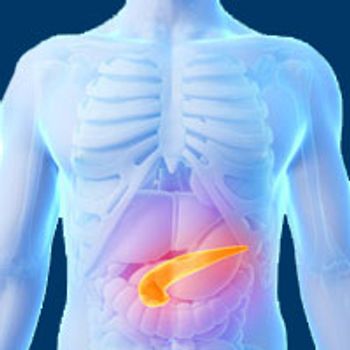
Results of the randomized phase II GERCOR trial concluded that patients with metastatic pancreatic cancer saw numerically better survival rates with a gemcitabine-free regimen when compared with a conventional gemcitabine regimen.
Results of a phase I expansion study demonstrated a manageable safety profile and clinical activity with mirvetuximab soravtansine in the treatment of patients with platinum-resistant ovarian cancer.

The addition of a platinum agent to standard gemcitabine and nab-paclitaxel was found to be associated with impressive response and overall survival rates in patients with stage IV pancreatic cancer.

Real-world data presented at the 2017 Gastrointestinal Cancers Symposium demonstrated that there were significantly higher costs associated with FOLFIRINOX as first-line therapy compared with the combination of nab-paclitaxel and gemcitabine in patients with metastatic pancreatic cancer.

2017 is poised to be another pivotal year in non–small cell lung cancer, given the exciting advances in the field at the end of last year.

Padeliporfin vascular-targeted photodynamic therapy, a novel tissue-preserving treatment, may offer men with low-risk prostate cancer a safe and effective alternative to either active surveillance or radical therapy, according to the results of a phase III trial.

The combination regimen of the PD-1 inhibitor nivolumab (Opdivo) plus nab-paclitaxel and gemcitabine was found to demonstrate encouraging clinical activity and low toxicity levels in patients with metastatic pancreatic cancer.

A supplemental biologics license application has been submitted to the FDA for the full regulatory approval of blinatumomab as a treatment for patients with Philadelphia chromosome-negative relapsed/refractory B-precursor acute lymphoblastic leukemia.
The combination of nanoparticle albumin-bound-paclitaxel and gemcitabine led to no new or unexpected adverse events in a small study of patients with locally advanced pancreatic cancer.

Douglas A. Levine, MD, discussed the relationship between EMSY and BRCA, the potential to target EMSY amplified tumors with PARP inhibitors, and the future of ovarian cancer treatment.

Jonathan Strosberg, MD, discusses the latest results from the NETTER-1 trial in midgut neuroendocrine tumors.

Gregory T. Wolf, MD, discusses a novel approach to treating patients with advanced laryngeal cancer.

Markus Albertsmeier, MD, discusses the results of the meta-analysis and the implications going forward for the treatment of patients with soft tissue sarcoma.

Rovalpituzumab tesirine demonstrated encouraging single-agent antitumor activity with a manageable safety profile in the treatment of patients with recurrent small cell lung cancer.

After demonstrating early success in acute lymphoblastic leukemia, CAR T-cell therapies are now expanding into all areas of hematologic malignancies, including non-Hodgkin lymphoma.

A recent study published in the Journal of Clinical Oncology has found that Philadelphia chromosome-like acute lymphoblastic leukemia (ALL) accounts for over 20% of all adult patients with ALL and is correlated with poor outcomes.

Intentional weight loss in postmenopausal women has been found to be associated with a lower endometrial cancer risk, particularly among those with obesity, according to the results of a recent study published in the Journal of Clinical Oncology.
Treatment with concurrent ibrutinib improves expansion of chimeric antigen receptor T-cells and could subsequently improve response in patients with chronic lymphocytic leukemia, according to a study presented during the 2017 ASH Annual Meeting.

A study presented at the 2016 ASH Annual Meeting identified potential biomarkers of response to anti-CD19 CAR T-cell treatment in patients diagnosed with chronic lymphocytic leukemia.

Theodore H. Welling, III, MD, will lead a new state-of-the-art liver cancer program at NYU Langone to advance clinical care and accelerate the translation of lab breakthroughs into superior treatments.