








































Thomas F. Gajewski, MD, PhD, discusses how the combination of PD-1 and IDO inhibitors could change the standard of care for patients with melanoma, and highlights other emerging targets on the horizon.
Thomas F. Gajewski, MD, PhD, discusses how the combination of PD-1 and IDO inhibitors could change the standard of care for patients with melanoma, and highlights other emerging targets on the horizon.
Stephan Grupp, MD, PhD, discusses the phase II ELIANA study results and the next steps with chimeric antigen receptor T-cell therapy in acute lymphoblastic leukemia.
Douglas Levine, MD, discusses a recent study in uterine carcinosarcoma and early steps toward developing therapeutic regimens.
The Affordable Care Act has improved access to cancer care for millions of Americans, and many new drugs and new indications for existing cancer drugs were approved in 2016, but there are frontiers in improving cancer care that include information barriers, disparities in the availability of rural care, and stressors on physicians and oncology practices, ASCO said in its annual report State of Cancer Care in America: 2017.
John E. Mullinax, MD, discusses isolated limb infusion as a limb salvage strategy for locally advanced extremity sarcoma.
Kiran K. Turaga, MD, discusses advances in surgical approaches for the treatment of patients with melanoma.
Ann Marie Beddoe, MD, discusses a study implementing cervical cancer screening and highlights HPV predictors in developing countries.

Hagop Kantarjian, MD, discusses the success of blinatumomab and next steps with the anti-CD19 agent.

Jason J. Luke, MD, discusses adjuvant therapy for patients with melanoma, as well as the future of targeted agents and immunotherapy.

Christopher R. Shea, MD, expresses the importance of expanding melanoma knowledge to more specialists as well as the advancements in pathology over the last several years.

The combination of rituximab, bendamustine, and low-dose cytarabine is an effective induction regimen for elderly patients with mantle cell lymphoma.

In the phase III MONARCH 2 study, adding abemaciclib to fulvestrant improved progression-free survival compared with fulvestrant alone in women with hormone receptor-positive/HER2-negative breast cancer.
Array BioPharma has withdrawn its new drug application for binimetinib as a treatment for patients with NRAS-mutant advanced melanoma, based on feedback from the FDA during a preplanned review meeting.

President Donald Trump has called his fiscal year 2018 budget proposal a "blueprint for making America great again," but oncological societies have been quick to denounce the budget plan, released Thursday, March 16, as a huge potential setback to health efforts in general and specifically to the fight against cancer.

Steven J. Skates, PhD, discusses the standard of care, risk-reducing salpingo-oophorectomy, for women with ovarian cancer and highlights that the best option for women who choose to postpone surgery is frequent CA125 testing with the Risk of Ovarian Cancer Algorithm.
David M. Gershenson, MD, discusses the results for a retrospective study of patients with stage II to IV low-grade serous carcinoma of the ovary or peritoneum and the next steps going forward.
Mark Levis, MD, PhD, highlights the promise and potential challenges of the FLT3-inhibitor quizartinib in acute myeloid leukemia.
Preventive sexual counseling can be effective in reducing sexual dysfunction resulting from the treatment of breast cancer patients with aromatase inhibitors; however, that intervention should be provided early in treatment and supported by encouragement from providers.
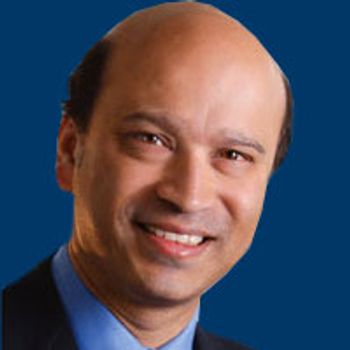
Debu Tripathy, MD, provided an update on neoadjuvant strategies in HER2-positive breast cancer at the 2017 Miami Breast Cancer Conference.
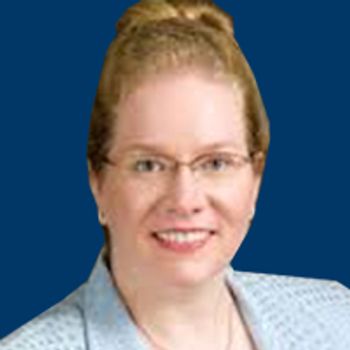
Arlene O. Siefker-Radtke, MD, discusses the exciting advances in the bladder cancer field, why researchers should move past PD-L1 as a biomarker, and what combinations can be expected to move through the pipeline next.
The FDA has granted an accelerated approval to pembrolizumab (Keytruda) for the treatment of adult and pediatric patients with classical Hodgkin lymphoma (cHL) who are refractory or have relapsed after 3 or more lines of therapy.
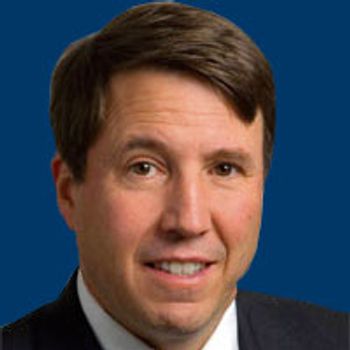
Andrew L. Pecora, MD, has been awarded the inaugural Rosemarie J. Sorce Endowed Chair in Innovation at Hackensack Meridian Health.
The FDA has placed a partial clinical hold on trials of selinexor (KPT-330), which is being explored in several tumor types.
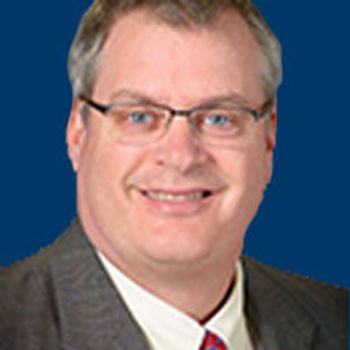
Paul G. Corn, MD, PhD, discusses recent advances in prostate cancer and the potential for immunotherapy and PARP inhibitors in the field.
Seungtaek L. Choi, MD, discussed the latest developments with radiation therapy in prostate cancer.