



Ovarian Cancer
Latest News
Advertisement
Latest Videos



































































Advertisement
More News
Bradley J. Monk, MD, gynecologic oncologist, University of Arizona Cancer Center Phoenix Branch, discusses the TRINOVA-1 trial.
Franco M. Muggia, MD, professor of oncology, New York University, director, Division of Medical Oncology, New York University Medical Center, discusses the challenge of developing targeted therapies to treat ovarian cancer.
Mark A. Morgan, MD, professor of obstetrics and gynecology, University of Pennsylvania, director, Gynecology Oncology for University of Pennsylvania Health Systems, discusses bulk reduction surgery prior to chemotherapy in patients with stage III ovarian cancer.
Robert A. Burger, MD, Professor, Department of Surgical Oncology, Director, Women's Cancer Center, Fox Chase Cancer Center, discusses the toxicity profile of bevacizumab when used to treat patients with ovarian cancer.
James "Tate" T. Thigpen, MD, professor of medicine, director of medical oncology, University of Mississippi School of Medicine, discusses the use of agents in ovarian cancer that are not approved by the FDA.
Michael Birrer, MD, PhD, professor of medicine, Harvard Medical School, director, Gillette Center for Gynecologic Oncology, Massachusetts General Hospital, discusses the role of PARP inhibitors in ovarian cancer.
Russell J. Schilder, MD, director, Gynecologic Medical Oncology, Thomas Jefferson University, Kimmel Cancer Center, discusses PARP inhibitors and their potential role in gynecologic cancers.
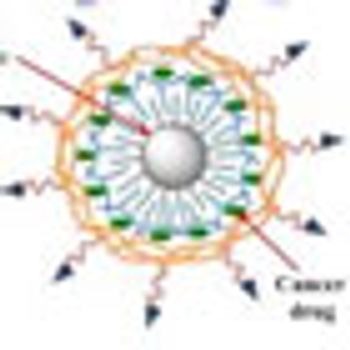
The combination of heat, chemotherapeutic drugs and an innovative delivery system based on nanotechnology may significantly improve the treatment of ovarian cancer while reducing side effects from toxic drugs.
Michael Birrer, MD, PhD, professor of medicine, Harvard Medical School, director, Gillette Center for Gynecologic Oncology, Massachusetts General Hospital, explains how the endpoints of progression-free survival (PFS) and overall survival (OS) are holding back the approval of drugs for patients with ovarian cancer.
Mark A. Morgan, MD, professor of obstetrics and gynecology, University of Pennsylvania, director, Gynecology Oncology for University of Pennsylvania Health Systems, discusses the role of robotic surgery in gynecologic cancer.

Access to Doxil has been inconsistent since mid-2011, when the drug's sole manufacturer announced a voluntary shutdown of production to address significant manufacturing and quality concerns.
Robert A. Burger, MD, FACOG, FACS, Professor, Department of Surgical Oncology, Director, Women's Cancer Center, Fox Chase Cancer Center, discusses the use of bevacizumab in patients with ovarian cancer.

Cancer stem cells are an underlying cause of a tumor's ability to recur and metastasize even after initial treatment. Therefore, targeting those cancer stem cells could prove to be a valuable tool in the treatment of several different tumor types.
James "Tate" T. Thigpen, MD, Professor of Medicine, Director, Division of Medical Oncology, University of Mississippi School of Medicine, discusses the comparison of treatment options in ovarian cancer.

Trebananib added to paclitaxel significantly improved progression-free survival in patients with recurrent ovarian cancer compared with placebo plus paclitaxel in the large international TRINOVA-1 trial.

Maurie Markman, MD, from the Cancer Treatment Centers of America, discusses the discovery of mutations and targets in ovarian cancer and the current progress being made in the development of a "breakthrough" agent for ovarian cancer.
Hot topics, emerging therapies, and tough cases from the front lines of patient care will be featured during the 9th Annual International Symposium on Ovarian Cancer and Gynecologic Malignancies, scheduled for October 5 in Philadelphia.

Whether it involves the minutiae of preclinical studies or the broad perspective of group leadership, if the work concerns gynecologic oncology, Ronald D. Alvarez, MD, has likely tried it.
Carol Aghajanian, MD, from the Memorial Sloan-Kettering Cancer Center, discusses the difficulties with a gold standard clinical trial endpoint in ovarian cancer.

Recently, Girish M. Shah's team has been using cellular and murine models to examine various therapeutic options, including inhibitor and gene knockout approaches against the DNA damage-responsive enzyme poly(ADP-ribose) polymerase 1 (PARP-1).

Agustin A. Garcia, MD, associate professor of medicine, Keck School of Medicine of the University of Southern California, discusses the future role of PARP inhibitors for patients with ovarian cancer and breast cancer.

The first patient has been enrolled in a phase III clinical program investigating treatment with olaparib for patients with BRCA-mutated ovarian cancer, marking another step in the revived development of an agent once relegated to the sidelines.

A two-pronged approach that includes carbohydrate antigen 125 (CA-125) testing proved highly accurate in screening women for ovarian cancer, including aggressive forms of the disease.

The use of a chemoresponse assay to assess therapy choices for patients with recurrent ovarian cancer correlated with dramatic improvements in overall survival and progression-free survival.

An analysis of more than 13,000 patients with ovarian cancer found that only around 37% of patients receive care that adheres to the NCCN guidelines.
Advertisement
Advertisement
Trending on OncLive
1
Dr Cercek on the FDA Approval of Dostarlimab for dMMR/MSI-H Locally Advanced Rectal Cancer
2
Vilamakitug Meets OS Threshold in Phase 1/2 Refractory mCRC Trial
3
Weigh Benefit Against Burden: Defining Lurbinectedin’s Role in a Shifting Small Cell Lung Cancer Landscape
4
Dr Warren on the Goal of the 4WARD Trial Evaluating Mavorixafor in Chronic Neutropenia
5