


Prostate Cancer
Latest News

Onvansertib Combo Achieves Disease Control, Overcomes Abiraterone Resistance in mCRPC
By Kristi Rosa
Advertisement
Latest Videos















































Advertisement
More News

Arun Azad, PhD, discusses the design of the phase 3ARCHES trial in metastatic hormone-sensitive prostate cancer.

Philip W. Kantoff, MD, discusses the rationale to evaluate VERU-111 in metastatic castration-resistant prostate cancer.
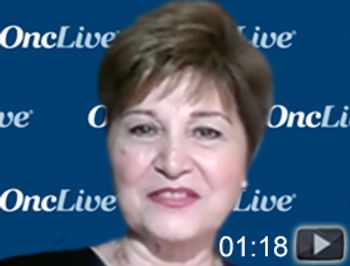
Maha Hussain, MD, FACP, FASCO, discusses the need for treatment that elicits an overall survival benefit in patients with nonmetastatic castration-resistant prostate cancer.

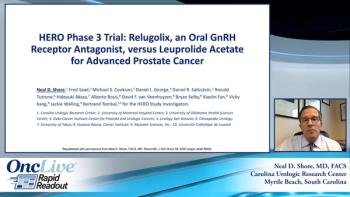
Neal D. Shore, MD, FACS, discusses the design of the phase 3 HERO trial in patients with advanced prostate cancer.
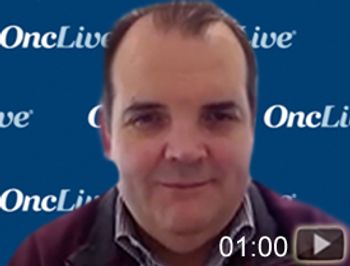
Ray McDermott, MB, BCh, BAO, PhD, MBA, FRCPI, discusses the design of the DASL-HiCAP trial in high-risk prostate cancer.
Maha H.A. Hussain, MD, FACP, FASCO, discusses the updated findings from the PROfound trial, its clinical significance in the treatment of patients with mCRPC paradigm, and the promise of precision medicine.

Neal D. Shore, MD, FACS, discusses the results from the phase 3 HERO trial with relugolix in men with advanced prostate cancer.
The addition of sipuleucel-T to the androgen-receptor signaling pathway inhibitors abiraterone acetate or enzalutamide reduced the risk of death by 41% and extended median overall survival by 14.5 months in patients with metastatic castration-resistant prostate cancer, irrespective of treatment order.
Maha Hussain, MD, FACP, FASCO, discusses the design of the phase 3 PROSPER trial in patients with nonmetastatic castration-resistant prostate cancer.
Neal D. Shore, MD, FACS, spotlights relugolix, a novel, gonadotropin-releasing hormone antagonist, that shows great promise in the advanced prostate cancer armamentarium.
Ray McDermott, MB, BCh, BAO, PhD, MBA, FRCPI, discusses the next steps of the phase 3 DASL-HiCAP trial in high-risk prostate cancer.
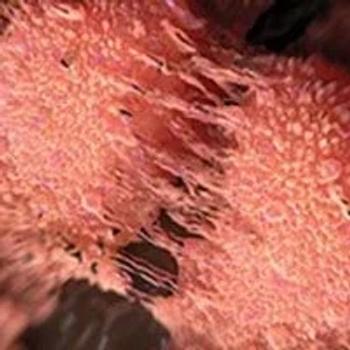
Department of Urology uses bioregenerative medicine to improve erectile function and continence after robotic radical prostatectomy.
Philip W. Kantoff, MD, discusses the evolving treatment landscape of mCRPC, the early efficacy data demonstrated with VERU-111, and other emerging areas of research that are poised to impact the prostate cancer paradigm.
Philip W. Kantoff, MD, discusses the need to develop new therapies in metastatic castration-resistant prostate cancer.
Daniel P. Petrylak, MD, discusses the utility of tissue biopsy versus liquid biopsy in prostate cancer.
In recent years, great progress has been made in understanding the genetics of metastatic prostate cancer which has translated into the development of new precision therapies.
Maha Hussain, MD, FACP, FASCO, discusses the need for collaboration to cure patients with prostate cancer.

Arun Azad, PhD, discusses the utility of adding enzalutamide to androgen deprivation therapy in subgroups of men with metastatic hormone-sensitive prostate cancer.
Philip W. Kantoff, MD, discusses current approaches for patients with metastatic hormone-sensitive prostate cancer, and nonmetastatic/metastatic castration-resistant prostate cancer who progress on androgen blocking agents.
Maha H.A. Hussain, MD, FACP, FASCO, discusses the prognostic associations of depth of PSA responses with MFS in patients with nmCRPC and a rapidly rising PSA who have been treated with enzalutamide and other efforts being made in this disease.
Ray McDermott, MB, BCh, BAO, PhD, MBA, FRCPI, discusses the rationale for the addition of darolutamide to androgen deprivation therapy and definitive or salvage radiation in very high-risk prostate cancer.

Paul L. Nguyen, MD, discusses treatment considerations in high-risk prostate cancer.

Atish D. Choudhury, MD, PhD, discusses the design of key clinical trials in nonmetastatic castration-resistant prostate cancer.
Maha Hussain, MD, FACP, FASCO, discusses the rationale for targeting the DNA repair pathway in metastatic castration-resistant prostate cancer.
Advertisement
Advertisement
Trending on OncLive
1
Savolitinib Plus Osimertinib NDA Submitted to FDA for MET-Driven, EGFR-Mutated NSCLC After EGFR TKI
2
Daraxonrasib Approval Signals a New Era for RAS-Targeted Therapy in Pancreatic Cancer
3
Calculating the Real Cost of False Positive Findings in Cancer Screening
4
Cilta-Cel Shows Long-Term Treatment-Free Remissions in Lenalidomide-Refractory Myeloma
5