

Extended follow-up data from the LIBRETTO-001 demonstrated that selpercatinib elicited durable responses in patients with RET fusion-positive solid tumors, including refractory gastrointestinal malignancies.
Extended follow-up data from the LIBRETTO-001 demonstrated that selpercatinib elicited durable responses in patients with RET fusion-positive solid tumors, including refractory gastrointestinal malignancies.

Zenocutuzumab was found to produce durable responses in patients with previously treated advanced NRG1-positive cancers, with antitumor activity observed across several tumor types, and to have an extremely well tolerated toxicity profile, according to data from a phase 1/2 trial (NCT02912949).

Induction therapy with the quadruplet regimen of daratumumab, carfilzomib, lenalidomide, and dexamethasone appears to be feasible in patients with high-risk, newly diagnosed multiple myeloma who are eligible for transplant, displaying safety benefits and responses.

Treatment with lisocabtagene maraleucel resulted in a high rate of durable overall and complete responses as second-line therapy in frail patients with relapsed/refractory large B-cell lymphoma for whom hematopoietic stem cell transplantation was not intended, according to preliminary findings from the phase 2 PILOT study.
Ixazomib plus daratumumab without dexamethasone showed a positive efficacy profile for elderly frail patients with relapsed/refractory multiple myeloma, according to results of the phase 2 IFM 2018-02 study.

The addition of panitumumab to mFOLFOX6 improved outcomes for patients with left-sided RAS wild-type metastatic colorectal cancer compared with bevacizumab and chemotherapy in the front-line setting, according to results from the phase 3 PARADIGM trial.
Patients with advanced renal cell carcinoma who received lenvatinib plus pembrolizumab experienced a longer time to progression on next line of therapy compared with those who received sunitinib.

Treatment with fam-trastuzumab deruxtecan-nxki doubled progression-free survival and reduced the risk of death by 36% compared with physician's choice of chemotherapy for patients with HER2-low, hormone receptor–positive metastatic breast cancer.
Daratumumab plus induction/consolidation lenalidomide, bortezomib, and dexamethasone elicited higher minimal residual disease-negativity rates vs the RVd combination alone in patients with transplant-eligible newly diagnosed multiple myeloma, including those in high-risk subgroups.

The combination of lenalidomide (Revlimid), bortezomib, and dexamethasone (RVd) plus autologous stem cell transplant as initial therapy followed by lenalidomide maintenance demonstrated a significant improvement in progression-free survival vs RVd alone followed by lenalidomide maintenance in patients with newly diagnosed multiple myeloma.

Alpelisib plus fulvestrant demonstrated a clinical benefit regardless of gene mutation status in patients with hormone receptor–positive, HER2-negative advanced breast cancer, including those with FGFR1 or FGFR2 alterations.
CT041, a Claudin18.2–specific CAR T-cell therapy, demonstrated a manageable safety profile in patients with previously treated, CLDN18.2-positive advanced gastric/gastroesophageal junction cancer, with a majority of patients achieving partial response or stable disease.

The combination of lenvatinib and pembrolizumab demonstrated clinically meaningful improvements in progression-free survival on next line of therapy among all-comer patients with advanced endometrial cancer and those with DNA mismatch repair proficient disease, according to an exploratory analysis of the phase 3 KEYNOTE-775 trial.

Ribociclib plus endorcrine therapy led to a statistically significant improvement in progression-free survival in patients with hormone receptor–positive, HER2-negative unresectable or metastatic breast cancer with tumor progression following treatment with a CDK4/6 inhibitor, according to findings from the randomized phase 2 MAINTAIN trial.

The addition of maintenance avelumab to best supportive care demonstrated improved outcomes for patients with advanced urothelial carcinoma including those who went on to receive second-line therapy.
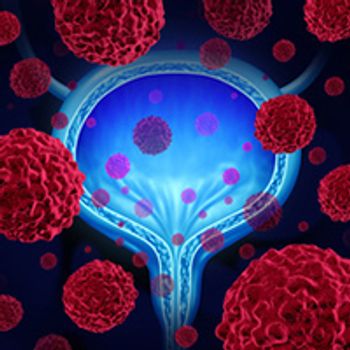
Tumor mutational burden served as a prognostic indicator of the efficacy of toripalimab among Chinese patients with urothelial carcinoma.

SOT101 alone and in combination with pembrolizumab demonstrated a favorable safety profile with no additional toxicities reported and promising efficacy among patients with advanced solid tumors, according to findings from the phase 1 AURELIO-03 trial.

First-line treatment with palbociclib plus letrozole did not elicit a significant benefit in overall survival compared with letrozole monotherapy in patients with estrogen receptor-positive/HER2-negative advanced breast cancer missing the secondary end point of the trial.
Updated data from a safety analysis of the phase 3 DESTINY-Breast03 study confirmed the tolerability of trastuzumab deruxtecan among patients with with HER2-positive unresectable or metastatic breast cancer.

The addition of subcutaneous epcoritamab to treatment with rituximab and lenalidomide resulted in a 100% response rate and a low incidence of low-grade cytokine release syndrome in patients with relapsed/refractory follicular lymphoma, according to findings from arm 2 of the EPCORE NHL-2 trial.

Raajit K. Rampal, MD, PhD, discusses the investigation of navtemadlin in relapsed/refractory acute myeloid leukemia and patients with blast phase myeloproliferative neoplasm in a phase 1b/2 trial.

Patritumab deruxtecan produced encouraging responses in patients with HER3-expressing metastatic breast cancer or metastatic triple negative breast cancer.

Lorenzo Falchi, MD, discusses the updated findings from the phase 1/2 EPCORE NHL-2 trial trial evaluating the subcutaneous administration of epcoritamab with R-CHOP in patients with high-risk diffuse large B-cell lymphoma.

Guided approaches leveraging circulating tumor DNA status can reduce the number of patients who receive adjuvant chemotherapy without the risk of lowering recurrence-free survival rates for some patients with stage II colon cancer.

At approximately 5 years of follow-up, findings from the phase 3 ELEVATE-TN study show that treatment outcomes are more favorable with acalabrutinib with or without obinutuzumab compared with obinutuzumab and chlorambucil in treatment-naïve chronic lymphocytic leukemia.

BTX-1188, a first-in-class oral molecular glue, is undergoing investigation in phase 1 clinical trials in patients with solid tumors or acute myeloid leukemia, after preclinical trials supported its potential safety benefits in this population and demonstrated its high sensitivity in Myc-driven cancer cell lines.

The addition of subcutaneous epcoritamab to standard-of-care R-CHOP demonstrated clinically meaningful response in the first-line treatment of patients with high-risk diffuse large B-cell lymphoma according to updated results of a single-arm of the EPCORE NHL-2 trial.

Magrolimab plus azacitidine, at priming and maintenance doses, enables manageable anemia in patients with higher-risk myelodysplastic syndrome and acute myeloid leukemia, according to results from a prospective phase 1 study (NCT03248479).
Sequential administration of blinatumomab with or without inotuzumab following hyper-CVAD elicited high rates of minimal residual disease negativity and a durable overall survival benefit among patients with Philadelphia chromosome-negative B-cell acute lymphoblastic lymphoma.
The combination of ivosidenib and azacitidine elicited a clinically meaningful benefit across end points compared with azacitidine alone among patients with newly diagnosed IDH1-mutant acute myeloid leukemia who were ineligible for intensive induction chemotherapy.