

Single-agent dostarlimab generated durable antitumor activity in patients with advanced or recurrent endometrial cancer with mismatch repair deficient/microsatellite instability–high or mismatch repair proficient/mismatch stable disease.
Single-agent dostarlimab generated durable antitumor activity in patients with advanced or recurrent endometrial cancer with mismatch repair deficient/microsatellite instability–high or mismatch repair proficient/mismatch stable disease.
Asciminib continued to demonstrate durable, major molecular responses as well as a tolerable safety profile vs bosutinib suggesting a long-term benefit in adult patients with chronic myelogenous leukemia in chronic phase who have been previously treated with 2 tyrosine kinase inhibitors.

Vamsidhar Velcheti, MD, discusses the safety of nemvaleukin alfa in patients with advanced solid tumors in the phase 1/2 ARTISTRY-1 trial.

Larotrectinib demonstrated longer overall survival compared with standard-of-care therapy in patients with TRK fusion–positive cancer.

A combination comprised of cobimetinib and vemurafenib demonstrated evidence of antitumor activity in patents with advanced solid tumors harboring BRAF V600E and other mutations who are not otherwise eligible to receive other FDA-approved therapies.

Seribantumab was found to produce encouraging overall response rates with acceptable tolerability when used as a monotherapy in patients with solid tumors harboring NRG1 fusions.
Adagrasib led to an intracranial objective response rate of 32% and a median intracranial duration of response that was not reached in patients with KRAS G12C–mutant non–small cell lung cancer and active, untreated CNS metastases, according to findings from the KRYSTAL-1 trial.

Afatinib may prove effective and tolerable in patients with advanced or metastatic solid tumors with NRG1 gene fusions, according to the rationale for a prospective real-world outcomes study that was presented as a trial in progress at the 2022 ASCO Annual Meeting.

Selinexor generated a longer median progression-free survival compared with placebo in patients with advanced or recurrent endometrial cancer, including those with p53 wild-type tumors.

The combination of PDS0101 and pembrolizumab led to encouraging responses and favorable safety with no grade 3 or greater treatment-related adverse effects in patients with checkpoint inhibitor–naïve HPV16-positive recurrent or metastatic head and neck squamous cell carcinoma, according to findings from a prespecified interim analysis of the phase 2 VERSATILE-002 study.

The oral VEGFR2 TKI rivoceranib demonstrated an objective response rate by investigator assessed RECIST 1.1 criteria of 15.1% and a disease control rate of 64.4% for patients with recurrent or metastatic adenoid cystic carcinoma.
The addition of zanubrutinib to obinutuzumab achieved an improved overall response rate, overall survival, and progression-free survival, compared with obinutuzumab alone, in patients with relapsed/refractory follicular lymphoma.

Gregory Botta, MD, PhD, discusses the evaluation of CT041 in patients with advanced gastric and pancreatic cancers in a phase 1b trial.

Arpit Rao, MD, discusses the rationale and importance of the phase 3 CASPAR trial in castration-resistant prostate cancer.

Treatment with frontline pembrolizumab demonstrated meaningful improvements in long-term survival in patients with EGFR- or ALK- wild-type non–small cell lung cancer and a tumor proportion score of at least 90% vs those with a tumor proportion score between 50% and 89%, according to 3-year findings from a correlative analysis.

Treatment with larotrectinib led to early onset and clinically meaningful improvements in health-related quality of life that were sustained for more than 12 months in most adult and pediatric patients with TRK fusion lung cancer, according to results from an expanded dataset.

The EGFR inhibitor panitumumab plus a stronger chemotherapy regimen did not demonstrate a significant response benefit over an active chemotherapy comparator plus panitumumab in patients with metastatic colorectal cancer with unmutated RAS and BRAF.

Darolutamide significantly reduced the risk of metastatic progression and improved overall survival, compared with placebo, in patients with nonmetastatic castration-resistant prostate cancer.

Pembrolizumab plus concurrent chemoradiation, followed by single-agent pembrolizumab, maintained survival benefits in patients with previously untreated, locally advanced stage III non–small cell lung cancer.

Overall survival outcomes for patients with hormone receptor–positive, HER2-negative advanced breast cancer who had dose modifications of ribociclib in the phase 3 MONALEESA-2 trial were comparable to those seen among patients who received the standard dose.

Sugemalimab plus chemotherapy improved overall survival (OS) vs placebo plus chemotherapy in patients with newly diagnosed metastatic non–small cell lung cancer, irrespective of PD-L1 expression or tumor histology.

Radiotherapy can safely be omitted from treatment plans following breast conserving surgery without jeopardizing recurrence rates for patients aged 55 years and older who have low-grade, T1N0, luminal A breast cancer with a Ki67 expression of 13.25% or less, according to findings from the LUMINA study.
Circulating tumor DNA, select androgen receptor, and non-AR biomarkers have been identified as potential prognostic indicators of overall survival benefit for apalutamide plus androgen-deprivation therapy for patients with metastatic castration-sensitive prostate cancer.

Single-agent dostarlimab-gxly elicited a clinical complete response rate of 100% with no evidence of residual tumor among 14 patients with stage II/III mismatch repair–deficient locally advanced rectal cancer.
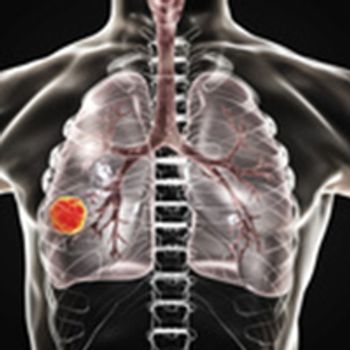
Adjuvant pembrolizumab was found to generally improve disease-free survival over placebo in patients with completely resected early-stage non–small cell lung cancer, irrespective of type of surgical resection, tumor size, and type or extent of adjuvant chemotherapy.

Significant enrichment of CDKN2A/B and cell cycle pathway alterations were observed in patients with non–small cell lung cancer and brain metastases vs extracranial disease, and a higher fraction of the genome was altered in these patients vs matched primary tumor controls.

FOLFOXIRI plus bevacizumab led to a significant improvement in progression-free survival, objective response rate, and R0/1 resections vs FOLFOX/FOLFIRI plus bevacizumab but resulted in increased toxicity in patients with initially unresectable colorectal cancer liver metastases and right-sided and/or RAS- or BRAF V600E–mutated primary tumors.

Cabazitaxel can safely be combined with darolutamide in patients with metastatic castration-resistant prostate cancer.

The combination of lasofoxifene and abemaciclib provided a meaningful progression-free survival benefit and elicited encouraging responses with an acceptable toxicity profile in patients with locally advanced or metastatic estrogen receptor–positive, HER2-negative breast cancer.

Ribociclib plus an aromatase inhibitor elicited improved symptom-related quality of life outcomes compared with abemaciclib plus an aromatase inhibitor as first-line therapy in postmenopausal patients with hormone receptor–positive, HER2–negative advanced breast cancer, according to findings from a matching-adjusted indirect comparison study.