

Patients with WHO grade II/III recurrent meningioma experienced clinically meaningful efficacy with 177Lutetium-Dotatate.
Patients with WHO grade II/III recurrent meningioma experienced clinically meaningful efficacy with 177Lutetium-Dotatate.

The combination of nivolumab plus radiotherapy reduces rates of biochemical recurrence in gleason grade 5 prostate cancer.

Adding lenvatinib to pembrolizumab improved ORR and PFS, but not OS, vs placebo for patients with head and neck squamous cell carcinoma.

Bruce Haffty, MD, MS, discusses the feasibility of utilizing preoperative radiation boost in patients with breast cancer based on initial results from a phase 2 trial.

Administration of stereotactic ablative body radiotherapy to oligoprogressive lesions delayed a change in systemic therapy in patients with estrogen receptor–positive/HER2-negative breast cancer enrolled to the prospective phase 2 AVATAR trial.

Treatment with reduced-dose or partial-breast radiotherapy sustained long-term safety and elicited similar rates of ipsilateral breast tumor relapse compared with whole-breast radiotherapy in patients with early-stage breast cancer.

Asal Rahimi, MD, MS, discusses initial efficacy results from the expanded cohort of a phase 1 dose-escalation study (NCT04040569) evaluating pre-operative, single fraction stereotactic ablative radiation in early-stage, hormone receptor–positive breast cancer.

Melissa O'Neil, MRT(T), discusses findings from the randomized phase 2 Diagnostic CT-Enabled Radiation Therapy trial of palliative radiation therapy.

Ablative preoperative stereotactic partial breast irradiation plus endocrine therapy was safe at a single fraction of 34 Gy and generated pathological complete responses and near complete responses in patients with early-stage, estrogen receptor-positive breast cancer.

Daily adaptive radiotherapy with 1-mm planning target volume margins is feasible in patients with head and neck squamous cell carcinoma and was associated with improved dosimetric parameters compared with standard radiotherapy.

The use of diagnostic CT-based planning lowered the median time in treatment centers for patients with cancer who underwent diagnostic CT scan and palliative radiation therapy.

Julia S. Wong, MD, discusses findings from data presented on patient-reported toxicity results from the randomized trial of fractionation following breast reconstruction in patients with breast cancer.

Matthew Pierre Deek, MD, discusses the significance of pretreatment immune cell infiltration in patients with muscle-invasive bladder cancer who had been treated with definitive chemoradiation.

Patients with breast cancer who received hypofractionated postmastectomy radiotherapy experienced similar toxicities vs those who received conventionally fractionated postmastectomy radiotherapy, according to a presentation shared at the 2023 American Society for Radiation Oncology Annual Meeting.

Bradford (Brad) S. Hoppe, MD, MPH, discusses the rationale for investigating consolidative radiotherapy in place of autologous stem cell transplant in patients with low-risk, relapsed/refractory classic Hodgkin lymphoma who have been previously treated with nivolumab plus brentuximab vedotin, as investigated in the phase 2 CheckMate 744 study, as well as key findings from this trial.

Michael Chuong, MD, FACRO, discusses patterns of locoregional recurrence following guided radiation therapy in pancreatic cancer.

Researchers have identified 3 distinct molecular subtypes of primary prostate cancer that correlate with distant metastasis-free survival and response to radiation therapy.

Elizabeth H. Baldini, MD, MPH, director, radiation oncology, center for sarcoma and bone oncology, associate professor of radiation oncology, Harvard Medical School, discusses sarcoma

Robert B. Den, MD, associate professor of Radiation Oncology, Jefferson Health, discusses the use of radiation therapy as a treatment for patients with prostate cancer.

Adam Dicker, MD, PhD, professor, chair, department of Radiation Oncology Sidney Kimmel Cancer Center, Thomas Jefferson University, discusses the potential for radiation combinations.
Radiation therapy can be effectively delivered in more focused, intensive, and shorter-course treatment regimens that offer patients at least equivalent—and in some cases superior—outcomes in several tumor types, thus helping to mitigate challenging adverse effects of standard approaches.

Bridgett Harr, CNP, radiation oncology, Cleveland Clinic, discusses survivorship and managing long-term side effects in head and neck cancer.

Puneeth Iyengar, MD, radiation oncologist, University of Texas Southwestern Medical Center, discusses the rationale behind the use of hypofractionated radiation as a treatment for patients with non–small cell lung cancer.

Daniel Eidelberg Spratt, MD, assistant professor, radiation oncology, University of Michigan Health System, discusses challenges regarding the classification of risk groups in prostate cancer.

In a propensity-matched analysis of a national cancer registry, patients who underwent radical cystectomy or concurrent chemoradiation to treat urothelial cancer demonstrated statistically similar median overall survival rates. Further analysis suggests that the hazard ratios between the two treatments change over time and is hypothesis generating.
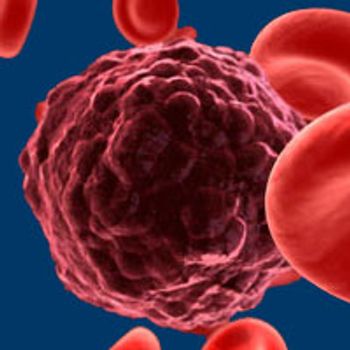
For patients who are likely to experience contiguous recurrence of glioblastoma, a new computer simulation using tumor treating fields and employing a personalized transducer array, delivered electric field intensities that exceeded therapeutic intensities in 3 different tumor locations. The findings may aid treatment planning when using the NovoTAL System, which optimizes therapeutic delivery in 2 orthogonal directions to the gross tumor volume and proximal peri-tumoral brain zone.

Men with intermediate prostate cancer who received extreme hypofractionated radiotherapy reported a low incidence of side effects, with no significant differences compared with a similar cohort of men who received conventional fractionation after 2 years of treatment.

A strategy to stimulate an immune response in radiation-damaged tumor cells resulted in preliminary evidence of activity—including longer survival—in a small clinical trial of patients with metastatic breast cancer.

The addition of external-beam radiotherapy to interstitial brachytherapy failed to reduce prostate cancer progression compared to brachytherapy alone in men with intermediate-risk disease.

Study results that examined patient-reported outcomes and quality of life measures demonstrate that hypofractionated radiotherapy is a viable, safe, and value-added alternative to patients with low-risk prostate cancer.