
Marcia S. Brose, MD, PhD, assistant professor, Abramson Cancer Center at the University of Pennsylvania, discusses the rapidly changing treatment landscape for patients with differentiated thyroid cancer.
Marcia S. Brose, MD, PhD, assistant professor, Abramson Cancer Center at the University of Pennsylvania, discusses the rapidly changing treatment landscape for patients with differentiated thyroid cancer.
Julie A. Sosa, MD, MS, professor of surgery and medicine, chief of endocrine surgery, Duke University, discusses molecular testing for thyroid cancer.

A next-generation sequencing assay has shown promise as a new tool to aid in the diagnosis and treatment of indeterminate thyroid nodules.

The ThyroSeq v2 next-generation sequencing assay was highly accurate at diagnosing cancer in thyroid nodules with follicular neoplasm or those suspected of follicular neoplasm cytology.
Preoperative vitamin D deficiency is associated with postoperative symptomatic hypocalcemia in patients with thyroid cancer undergoing total thyroidectomy plus central compartment neck dissection.
In vivo models for two aggressive thyroid cancers have shown that downregulation of miR-30a-5p leads to overexpression of LOX, a target which appears amenable to treatment with β-aminopropionitrile fumarate.

The detection of BRAFV600E in patients with papillary thyroid cancer using a blood-based assay was shown to be feasible in a cohort of patients undergoing thyroidectomy.
Ian Ganly, MD, PhD, from Memorial Sloan Kettering Cancer Center, discusses the development of a postoperative nomogram for predicting cancer-specific mortality in MTC.
Keith C. Bible, MD, PhD, professor of oncology, Mayo Clinic, discusses the promise of pemetrexed and carboplatin as a potential treatment option for patients with follicular cell-derived thyroid cancers.

The impact of RAI on long-term outcomes, potential combination strategies, molecular profiling, and novel therapeutics for patients with thyroid cancer were among some of the topics highlighted at the 2014 ATA Annual Meeting.
Naifa L. Busaidy, MD, associate professor, MD Anderson Cancer Center, discusses the results of a cooperative study that investigated the association between long-term thyroid hormone suppression therapy and improved outcomes in patients.

Long-term moderate thyroid hormone suppression therapy is associated with improved outcomes in patients with differentiated thyroid cancer.
Carmelo Nucera, MD, PhD, endocrinologist, assistant professor, Harvard Medical School, Division of Experimental Pathology, Beth Israel Deaconesss Medical Center, Boston, discusses the role of RNA in thyroid cancer
Numerous disease-related variables could serve as prognostic and predictive factors for treatment outcomes with sorafenib in patients with radioactive iodine-refractory differentiated thyroid cancer.
Ramona Dadu, MD, from the MD Anderson Cancer Center, discusses the results of a pilot study that examined the efficacy of CASAD, a natural clay, to reduce medullary thyroid cancer-related diarrhea.

Treatment with PD-1 immunotherapy across various oncology clinical trials has been associated with the induction of painless thyroiditis, characterized by transient thyrotoxicosis and hypothyroidism, in patients with metastatic malignancies
Ezra Cohen, MD, professor of medicine, UC San Diego Moores Cancer Center, discusses the challenges of treating Medullary Thyroid Cancer (MTC).
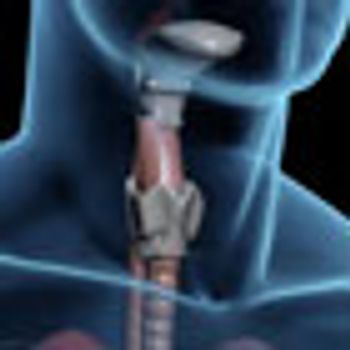
New data being presented at the 84th Annual Meeting of the American Thyroid Association show promise for two molecular tests that help identify indeterminate thyroid nodules as either benign or malignant.
Steven I. Sherman, MD, from MD Anderson Cancer Center, discusses the clinical interest in MEK inhibitors for thyroid cancer and a broad range of other tumors that signal through the MAP kinase pathway.
Rebecca S. Sippel, MD, from University of Wisconsin, explains the need for added screening for those at high-risk of developing thyroid cancer.

Cabozantinib significantly prolonged progression-free survival in medullary thyroid cancer compared with placebo among patients with radiographically confirmed progressive disease at study onset.

Photos from the 82nd Annual Meeting of the American Thyroid Association held in Quebec City, Canada, on September 19-23, 2012.
Rebecca S. Sippel, MD, from the University of Wisconsin, discusses the importance of the initial surgery for patients with medullary thyroid cancer on outcomes.
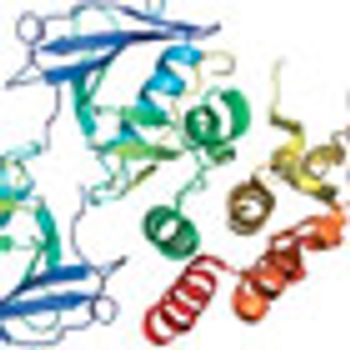
The application of molecular markers is already significantly improving the diagnosis of thyroid cancer and broader application could help prevent unnecessary surgeries to confirm the diagnosis.

Four histopathologic features of papillary microcarcinoma help predict how aggressive the tumor will be and subsequently how aggressive treatment must be to prevent its spread.
Dr. Bryan Haugen, from University of Colorado School of Medicine, Describes the 82nd Annual Meeting of the American Thyroid Association.
Dr. Yuri Nikiforov, from the University of Pittsburgh, on Molecular Testing to Diagnose Cancerous Thyroid Nodules.
A blanket approach to the use of radioactive iodine may not be necessary in many patients with papillary thyroid cancer provided they undergo expert total thyroidectomy first.
The availability of molecular agents that target oncogenic signaling pathways now offers the possibility of achieving disease stabilization in a proportion of patients with metastatic medullary thyroid cancer.

The initial surgical procedure performed for the management of medullary thyroid cancer is the best chance surgeons have for a cure.