
John Primrose, MD, ChB, FRCS, professor of medicine/surgery, University of Southampton, United Kingdom, discusses the impact of adjuvant capecitabine in patients with biliary tract cancer.
John Primrose, MD, ChB, FRCS, professor of medicine/surgery, University of Southampton, United Kingdom, discusses the impact of adjuvant capecitabine in patients with biliary tract cancer.
The development of novel immunotherapy combinations is among the most significant trends emerging as part of the next wave of discovery in hepatocellular carcinoma, with several promising regimens incorporating checkpoint inhibitors undergoing testing in phase III studies.
Masatoshi Kudo, MD, PhD, professor and chairman, Department of Gastroenterology and Hepatology, Kindai University, Osaka, Japan, discusses the results of a cost-effectiveness analysis of lenvatinib versus sorafenib in unresectable hepatocellular carcinoma in Japan.
Richard Finn, MD, professor of clinical medicine in the Division of Hematology and Oncology, director of the Signal Transduction and Therapeutics Program at the Jonsson Comprehensive Cancer Center, David Geffen School of Medicine at the University of California, Los Angeles, discusses the role lenvatinib (Lenvima) in the treatment paradigm for advanced hepatocellular carcinoma.
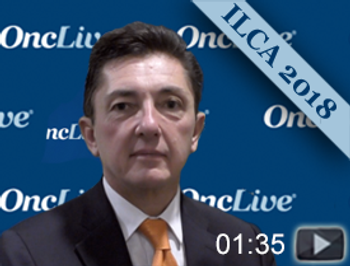
Riccardo Lencioni, MD, professor in the department of radiology at the University of Pisa School of Medicine in Pisa, Italy, discusses how response to hepatocellular carcinoma (HCC) treatment can be best assessed in patients.
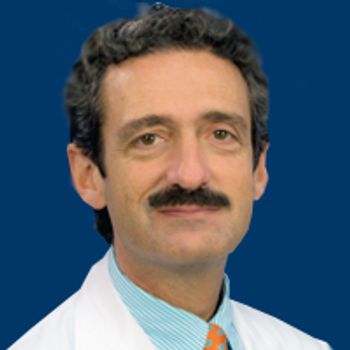
Bruno Sangro, MD, discussed the current landscape for systemic therapies, new directions with immunotherapy, and the need for greater research into combination therapies for patients with hepatocellular carcinoma.
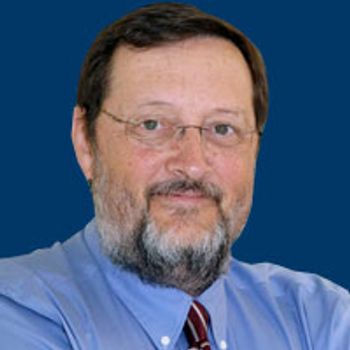
Regorafenib maintained a prolonged overall survival benefit as second-line therapy for patients with advanced hepatocellular carcinoma in a 2-year updated analysis of key findings from the pivotal RESORCE trial.
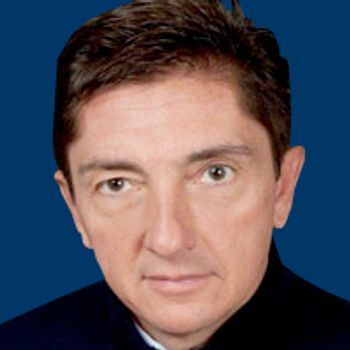
The positive outcomes that lenvatinib demonstrated as first-line therapy for patients with hepatocellular carcinoma are confirmed in an independent assessment conducted as part of the pivotal, international phase III REFLECT trial.
Ann-Lii Cheng, MD, PhD, distinguished professor and director of the cancer center of National Taiwan University, discusses the challenges that tumor heterogeneity in hepatocellular carcinoma (HCC) pose for clinical trials.
Ghassan K. Abou-Alfa, MD, of Memorial Sloan Kettering Cancer Center, describes what he sees as key areas of research into the treatment of hepatocellular carcinoma as therapy moves beyond existing drugs and into novel approaches.
Morris Sherman, MD, PhD, shared his insight on the news and discussions coming out of this year’s meeting, the surge of immunotherapy and targeted therapy research, optimal sequencing approaches, and the challenges that remain in treating patients with hepatocellular carcinoma.
Cabozantinib improved survival as second-line therapy for patients with hepatocellular carcinoma who also had a history of hepatitis B virus infection.
The combination of atezolizumab and bevacizumab demonstrated strong signals of efficacy with a tolerable safety profile as first-line therapy for patients with unresectable or metastatic hepatocellular carcinoma.
Augusto Villanueva, MD, PhD, assistant professor, Icahn School of Medicine, discusses the potential of liquid biopsy to improve treatment for patients with hepatocellular carcinoma (HCC).
Josep M. Llovet, MD, PhD, Icahn School of Medicine, discusses the potential for biomarkers to improve the treatment of hepatocellular carcinoma (HCC).
The rapid development of novel therapies for patients with unresectable hepatocellular carcinoma has dramatically expanded the options for systemic treatments over the past 2 years, creating the need for new sequencing strategies.
Updates to the European Association for the Study of the Liver clinical guidelines introduce more opportunities for individual patient management of hepatocellular carcinoma.
Direct acting antivirals are a novel and completely oral hepatitis C therapy that is associated with a high response rate in hepatocellular carcinoma (HCC).
BLU-554 induced an overall response rate of 16% in patients with FGF19-positive hepatocellular carcinoma.
Theodore H. Welling, MD, associate professor of surgery, director of the Liver Tumor Program at Perlmutter Cancer Center of NYU Langone Medical Center, discusses the purpose of the CheckMate-040 trial, which explored nivolumab (Opdivo) in patients with hepatocellular carcinoma. (HCC).
Robert Montal, MD, visiting researcher, Icahn School of Medicine, Mount Sinai Hospital, discusses biomarker findings of the phase III STORM trial, which explored adjuvant treatment with sorafenib (Nexavar) in patients with hepatocellular carcinoma (HCC).
First-line therapy with lenvatinib continued to be noninferior in overall survival and achieve significant improvements in progression-free survival, time to progression, and objective response rate compared with sorafenib for patients with unresectable hepatocellular carcinoma.
Hepatocyte pERK-positive immunostaining and microvascular invasion were independent prognostic factors of recurrence-free survival for patients with hepatocellular carcinoma treated with adjuvant sorafenib; however, a predictive biomarker for recurrence was not uncovered.
Precision screening for hepatocellular carcinoma (HCC) could improve on current screening techniques through its risk-stratifying approach.
Richard Finn, MD, associate professor of medicine at the UCLA David Geffen School of Medicine, discusses the significance of the phase III trial of frontline lenvatinib (Lenvima) versus sorafenib (Nexavar) in patients with hepatocellular carcinoma (HCC).
Theodore H. Welling, MD, associate professor of surgery, director of the Liver Tumor Program at Perlmutter Cancer Center of NYU Langone Medical Center, discusses how immunotherapy agents will eventually fit into the paradigm of hepatocellular carcinoma. (HCC).
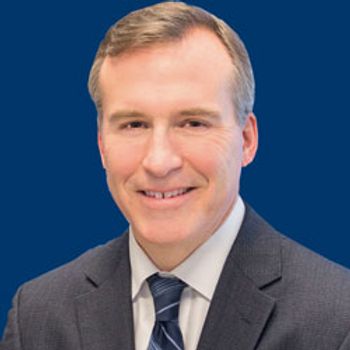
Theodore H. Welling, MD, shares insight on the top presentations at the ILCA meeting, and how he believes the future will look for the treatment of HCC.
Robert Montal, MD, visiting researcher, Icahn School of Medicine, Mount Sinai Hospital, discusses advancements regarding systemic therapies in the field of hepatocellular carcinoma (HCC).
Richard Finn, MD, associate professor of medicine at the UCLA David Geffen School of Medicine, shares insight on some current and emerging agents in the field of hepatocellular carcinoma (HCC).
The 11th International Liver Cancer Association Annual Conference, taking place September 15 to 17 in Seoul, South Korea, is showcasing multidisciplinary findings across the field of hepatocellular carcinoma.