
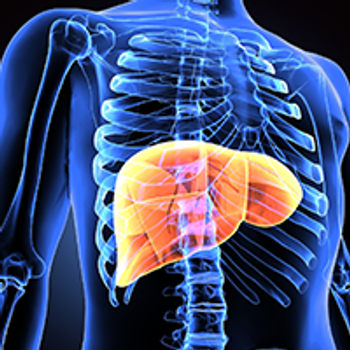
Early lung-specific response to atezolizumab plus bevacizumab was associated with longer overall survival in patients with hepatocellular carcinoma with pulmonary metastases.
Early lung-specific response to atezolizumab plus bevacizumab was associated with longer overall survival in patients with hepatocellular carcinoma with pulmonary metastases.
Second-line treatment with regorafenib displayed safety in patients with advanced hepatocellular carcinoma who were not eligible for treatment on the phase 3 RESORCE trial, according to data from the phase 2 REGAIN trial.
The addition of toripalimab to standard-of-care sorafenib in the frontline setting demonstrated preliminary efficacy and tolerability in patients with unresectable hepatocellular carcinoma.
The phase 2 ACTION trial, which evaluated the safety of second-line cabozantinib in patients with hepatocellular carcinoma who were intolerant to first-line sorafenib or who received agents other than sorafenib in the first line, did not meet its safety futility criteria, allowing the trial to continue.
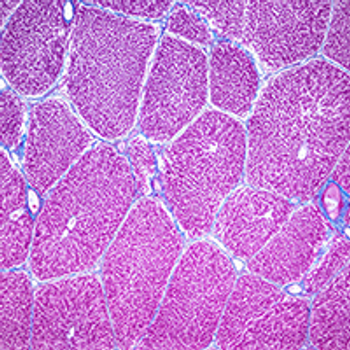
Tissue- and blood-based molecular analysis could help match patients with advanced hepatocellular carcinoma or hepatocholangiocarcinoma following disease progression on frontline atezolizumab and bevacizumab to targeted therapy or another TKI based on identified genomic alterations.
The use of an immuno-oncology regimen as systemic therapy was found to be an independent prognostic factor and was associated with improved long-term survival for patients with hepatocellular carcinoma, regardless of IO’s sequencing in the first and later lines of treatment.
Neoadjuvant treatment with the combination of nivolumab and ipilimumab led to responses and was well tolerated in patients with resectable hepatocellular carcinoma.
Real-world data from a systemic review of treatment patterns in the United States showed that the majority of patients with hepatocellular carcinoma administered atezolizumab and bevacizumab in the frontline setting discontinued treatment within 12 months, indicating the need for additional research on the effectiveness of this regimen for patients with high-risk disease.
Treatment with ramucirumab in the second line after first-line lenvatinib monotherapy or the combination of atezolizumab and bevacizumab, or as third-line treatment following both regimens, elicited efficacy comparable with second-line ramucirumab following treatment with sorafenib in patients with advanced hepatocellular carcinoma.
Second-line treatment with ramucirumab produced an overall survival benefit vs placebo in Chinese patients with hepatocellular carcinoma, irrespective of the presence of extrahepatic spread, according to findings from an exploratory analysis of the phase 3 REACH and REACH-2 trials.

Data from a recent analysis revealed that nearly 1 in 7 patients with hepatocellular carcinoma experience treatment delays, with higher odds observed in Black patients and those living in high poverty neighborhoods.
The sequential treatment of regorafenib followed by nivolumab was found to have an acceptable toxicity profile in patients with hepatocellular carcinoma who progressed on and tolerated first-line sorafenib, according to early data from the phase 1/2a GOING trial.

Neehar Parikh, MD, discusses future research directions in hepatitis C-related hepatocellular carcinoma.

Josep Llovet, MD, discusses the adverse events cause by treatments in hepatocellular carcinoma.
ADP-A2AFPspecific peptide enhanced affinity receptor T cells were associated with an acceptable safety profile and elicited antitumor activity in patients with advanced hepatocellular carcinoma.
David J. Pinato, MD, discusses combination strategies in HCC, how to manage associated toxicities, and how safety profiles can help to inform treatment decisions for this patient population.
Nivolumab elicited a prolonged clinical benefit in patients with advanced hepatocellular carcinoma regardless of prior sorafenib.
Triplet regimens leveraging novel agents targeted at overcoming mechanisms of resistance in combination with immune checkpoint inhibitors and anti-angiogenic therapies represent the next frontier in hepatocellular carcinoma.
David J. Pinato, MD, discusses guidelines for toxicity management in hepatocellular carcinoma (HCC).
The combination of atezolizumab and bevacizumab elicited an improved overall survival benefit compared with sorafenib in patients with albumin-bilirubin grade 1 hepatocellular carcinoma, according to findings from an exploratory subgroup analysis of the phase 3 IMbrave150 trial.

Biomarkers of response to immunotherapy, characterized by high interferon signaling and expression of MHC-II related genes, predicted for improved survival in patients with advanced hepatocellular carcinoma following immediate treatment with a PD-1 inhibitor but not in those who had first received treatment with a TKI.
Arndt Vogel, MD, discusses the utility of frontline lenvatinib or sorafenib in hepatocellular carcinoma.
Amit Singal, MD, discusses the results of a study evaluating the utilization of a mailed surveillance outreach program in hepatocellular carcinoma.

Nicole Rich, MD, discusses the prevalence of cachexia in hepatocellular carcinoma.

Combining durvalumab and tremelimumab plus transcatheter arterial chemoembolization or radiofrequency ablation was found to be both efficacious and safe as a treatment for patients with advanced hepatocellular carcinoma, according to results of a pilot study.
Josep M. Llovet, MD, discusses the importance of identifying biomarkers of response to checkpoint inhibitors for patients with hepatocellular carcinoma, as well as future research directions.
Ann-Lii Cheng, MD, distinguished professor, Department of Internal Medicine, National Taiwan University College of Medicine Director, Graduate Institute of Oncology, director, Department of Medical Oncology, discusses the need for biomarkers in hepatocellular carcinoma.
Bristi Basu, MD, honorary consultant medical oncologist, University of Cambridge, discussed second-line therapy for patients with hepatocellular carcinoma.
Josep M. Llovet, MD, PhD, founder and director of the Liver Cancer Program, full professor of medicine, Icahn School of Medicine, Mount Sinai Hospital, discusses the potential of combination therapy in hepatocellular carcinoma.
Augusto Villanueva, MD, PhD, assistant professor, Icahn School of Medicine, discusses remaining challenges with liquid biopsies in hepatocellular carcinoma.