
Brigatinib demonstrated sustained long-term responses and survival in patients with crizotinib-refractory ALK-positive non–small cell lung cancer.

Your AI-Trained Oncology Knowledge Connection!
Brigatinib demonstrated sustained long-term responses and survival in patients with crizotinib-refractory ALK-positive non–small cell lung cancer.

Darolutamide remained well tolerated with a highly favorable safety profile when combined with androgen deprivation therapy in the treatment of patients with nonmetastatic castration-resistant prostate cancer.
Updated findings from the ARROW trial demonstrated that pralsetinib could benefit those with RET fusion–positive non–small cell lung cancer and is a well-tolerated agent in the patient population.
Intra-patient dose escalation of ripretinib to 150 mg twice a day following disease progression extended progression-free survival for patients with advanced gastrointestinal stromal tumor after receiving fourth-line therapy.

The CAR T-cell therapy idecabtagene vicleucel continues to demonstrate improved survival among heavily pretreated patients with relapsed/refractory multiple myeloma.

Maintenance therapy with niraparib significantly improved progression-free survival in patients with BRCA-mutated ovarian cancer, according to results from three phase 3 trials.

Some patients with previously treated advanced colorectal cancer responded to treatment with lenvatinib plus pembrolizumab.

The addition of nivolumab to either ipilimumab or chemotherapy resulted in improved survival outcomes vs chemotherapy alone in the frontline treatment of patients with unresectable advanced or metastatic esophageal squamous cell carcinoma.
Pembrolizumab was associated with a 32% reduction in the risk of disease recurrence or death compared with placebo as an adjuvant treatment for patients with clear cell renal cell carcinoma.

Olaparib demonstrated clinically meaningful benefit 1 year after standard of care therapies, such as surgery, chemotherapy, hormone therapy, or radiation therapy, in patients with BRCA1/2-mutant, early HER2-negative breast cancer who are at a high risk for recurrence.

The administration of adjuvant carboplatin and paclitaxel following standard cisplatin-based chemoradiation failed to demonstrate an improvement in progression-free survival or overall survival in women with locally advanced cervical cancer, according to findings from the phase 3 OUTBACK trial.
The addition of the immunotherapy agent toripalimab to gemcitabine plus cisplatin demonstrated superior progression-free survival compared with chemotherapy alone in the frontline treatment of patients with recurrent or metastatic nasopharyngeal carcinoma, according to data from the phase 3 JUPITER-02 trial.

Experts in breast cancer, gynecologic malignancies, lung cancer, multiple myeloma, gastrointestinal cancers, and genitourinary cancers shared their perspectives on the biggest abstracts being presented at the 2021 ASCO Annual Meeting.

Patients with cancer who live in states with lower Medicaid income eligibility limits had worse long-term survival outcomes compared with those with higher eligibility limits.

The addition of relatlimab to nivolumab more than doubled the median progression-free survival compared with nivolumab alone in patients with previously untreated, unresectable or metastatic melanoma.
Adjuvant treatment with atezolizumab led to a significant improvement in disease-free survival vs best supportive care in patients with stage II to IIIA non–small cell lung cancer, particularly those with PD-L1–positive tumors, according to findings from the phase 3 IMpower010 trial.

An increase in the frequency of prostate-specific antigen (PSA) screening was associated with a nearly 25% reduction in prostate cancer–specific mortality in younger African Americans, according to data from a study presented in a presscast held ahead of the 2021 ASCO Annual Meeting.

Mark A. Socinski, MD, discusses the evolving paradigm of targeted therapy in lung cancer.

James H. Doroshow, MD, discusses the importance of modernizing clinical trials in the post–COVID-19 era.

Silver linings of the COVID-19 pandemic have opened the door for new opportunities for decentralized clinical trials and real-world data in a post–COVID-19 world.

Tumor-infiltrating lymphocytes, a neoantigen-targeting therapy, has been shown to be a potentially curative treatment for patients with metastatic melanoma, and has led to clinical responses in this population even after failure with checkpoint inhibitors

Thomas Urban Marron, MD, PhD, describes the patient population included in a phase 1 study examining the use of PGV-001, a neoantigen cancer vaccine, across different malignancies.

Matthew J. Matasar, MD, Memorial Sloan Kettering Cancer Center Bergen, discusses the rationale for combining copanlisib and rituximab in patients with indolent non-Hodgkin lymphoma.

Xiuning Le, MD, PhD, discusses next steps with poziotinib (NOV120101, HM781-36B) in patients with EGFR-positive or HER2-positive exon 20–mutant non–small cell lung cancer.

Saima Hassan, MD, PhD, FRCSC, discusses the mechanism of action of talazoparib in triple-negative breast cancer.

Effective early detection and optimal management are critical in preventing high-grade interstitial lung disease, a treatment-related adverse effect of fam-trastuzumab deruxtecan-nxki in patients with HER2-positive metastatic breast cancer.

The differentiated TROP2-directed antibody-drug conjugate datopotamab deruxtecan was found to have promising antitumor activity with a manageable safety profile in heavily pretreated patients with triple-negative breast cancer.
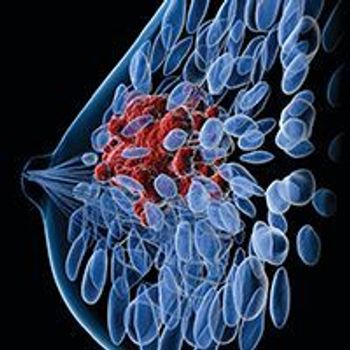
Approximately 30% of breast cancer tumors can covert from, or to, HER2-low status, underscoring the need to retest for HER2 expression upon relapse.

Thomas Bachelot, MD, discussed how to approach treatment of patients with HER2-positive breast cancer and CNS metastases and the impact of tucatinib in this population.

Although administering trastuzumab for 1 year in patients with HER2-positive early breast cancer continues to be standard, a 9-week de-escalation approach may be a reasonable option in a large proportion of the real-world HER2-positive population.