
Jonathan Ledermann, MD, professor of medical oncology at UCL Cancer Institute in London, discusses the growing use of PARP inhibitors in maintenance therapy for ovarian cancer in an interview during the 2019 SGO Annual Meeting.

Your AI-Trained Oncology Knowledge Connection!
Jonathan Ledermann, MD, professor of medical oncology at UCL Cancer Institute in London, discusses the growing use of PARP inhibitors in maintenance therapy for ovarian cancer in an interview during the 2019 SGO Annual Meeting.

Combination therapy with pembrolizumab, bevacizumab, and metronomic cyclophosphamide induced a 95% disease control rate and 40% overall response rate among women with recurrent ovarian cancer.
Lenvatinib in combination with weekly paclitaxel induced activity among those with recurrent endometrial and platinum-resistant epithelial ovarian cancer, resulting in a 65% overall response rate.

Emese Zsiros, MD, PhD, discusses the results of her recent phase II trial that set out to evaluate the use of pembrolizumab in combination with bevacizumab and oral metronomic cyclophosphamide in the treatment of patients with recurrent epithelial ovarian, fallopian tube, or primary peritoneal cancer.
Kathleen N. Moore, MD, associate director for clinical research, gynecologic oncologist at The Stephenson Cancer Center, The University of Oklahoma, explores the impact of the SOLO-1 trial in the field of ovarian cancer, in particular, the benefits olaparib provides and the light it shines on the importance of using genetic testing to inform treatment decisions.
Adverse events decreased among patients with high-risk ovarian cancer who received a 200- or 300-mg individualized starting dose of niraparib, based upon baseline bodyweight and platelet count, compared with a 300-mg fixed starting dose.

Prior exposure to PARP inhibitor treatment may not lead to resistance in future use with these agents in women with recurrent epithelial ovarian cancer, suggesting that repeat use could become more common.
Robert Coleman, MD, professor in the Department of Gynecologic Oncology and Reproductive Medicine, The University of Texas MD Anderson Cancer Center, discusses the effect of age on the efficacy of rucaparib (Rubraca) in patients with recurrent ovarian carcinoma.
Patients with recurrent ovarian cancer who received niraparib maintenance therapy experienced more progression-free time without experiencing symptoms or toxicity compared with placebo; the benefit was 4-fold for those with germline (g) BRCA-mutated disease and 2-fold for non-gBRCA-mutated ovarian cancer.
Blood-based biomarkers offer great potential for use in the management of breast and other cancers.
David M. Euhus, MD, discusses a new trio of genes entering the risk assessment equation in hereditary breast cancer.
Identifying patients with ductal carcinoma in situ who are more likely to develop invasive breast cancer remains a challenge, despite decades of research and the development of stratification methods to predict progression and recurrence.
There has been much progress in the treatment of estrogen receptor-positive metastatic breast cancer over the past 40 years, and novel therapies are further expanding therapeutic options.
CtDNA will continue to gain importance in precision oncology as physicians continue to uncover the role and interplay of genomic alterations that promote tumor heterogeneity.
Although the first checkpoint inhibitor has just been approved for patients with breast cancer, findings from dozens of ongoing studies may eventually change the paradigm for large subsets of those with the malignancy.

The development of antibody-drug conjugates represents a promising strategy for patients with metastatic triple-negative breast cancer, with early clinical trial results suggesting that novel agents could eventually change the landscape for this patient population.
With tremendous advances and the accelerated approval of atezolizumab plus nab-paclitaxel for patients with unresectable locally advanced or metastatic PD-L1–positive triple-negative breast cancer, provider education in identifying associated toxicities from checkpoint inhibitor therapy is critical.
Hope S. Rugo, MD, director, Breast Oncology and Clinical Trials Education, University of California San Francisco Comprehensive Cancer Center, discusses the therapeutic advancements in the breast cancer space in the past 20 years.
Debu Tripathy, MD, professor and chairman, Department of Breast Medical Oncology, Division of Cancer Medicine, The University of Texas MD Anderson Cancer Center, discusses combination strategies being investigated with CDK4/6 inhibitors in breast cancer.
The introduction of PARP inhibitors into the breast cancer treatment paradigm is a clinically meaningful advance for patients with germline BRCA1/2 mutations but much more research must be conducted to optimize their use.
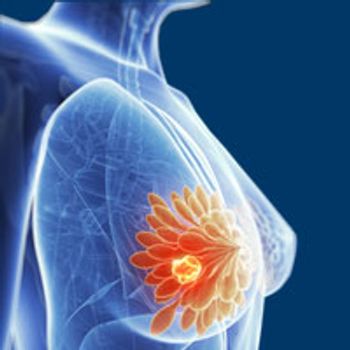
The previously demonstrated progression-free survival benefit from the addition of alpelisib to fulvestrant appeared consistent among subgroups of patients with hormone receptor–positive/HER2-negative advanced breast cancer who have a PIK3CA mutation.

For more than 100 years, endocrine therapy has been used for the treatment of breast cancer; since that time, we have learned much about the role of estrogen in the biology of normal breast cancer development.
Each gene expression-based test available for risk prediction in patients with breast cancer has unique properties and they are not interchangeable, placing importance on the clinical studies used to validate the clinical utility of each assay.
Elizabeth A. Mittendorf, MD, PhD, director of the Breast Immuno-Oncology Program at Dana-Farber/Brigham and Women's Cancer Center, discusses the frontline approval of atezolizumab in combination with nab-paclitaxel in patients with locally advanced or metastatic PD-L1
Sara A. Hurvitz, MD, director of the Breast Oncology Program, medical director of the Clinical Research Unit, University of California, Los Angeles Jonsson Comprehensive Cancer Center, discusses the recent FDA approval of subcutaneous use of trastuzumab (Herceptin) and hyaluronidase-oysk injection (Herceptin Hylecta) in the HER2-positive breast cancer space.
After nearly 30 years as a breast cancer surgeon, Patrick I. Borgen, MD, finds that the most enduring theme in the field is constant change.
The breast cancer field is experiencing rapid advancements in the understanding of disease biology and the development of novel therapeutic strategies for several subtypes, with a clear direction toward personalized or precision medicine.
Data from the SHAVE and SHAVE2 trials, in terms of long-term outcomes vis-à-vis local recurrence, may lend some insight into the impact of adjuvant therapy on reducing the ramifications of a positive margin.
Morie A. Gertz, MD, MACP, discusses the current outlook for patients with Waldenström macroglobulinemia.
New agents in chronic lymphocytic leukemia are significantly strengthening the armamentarium, particularly next-generation BTK and PI3K inhibitors, and although toxicities remain an issue, tolerability may be improving.