scout

Latest Conference Articles

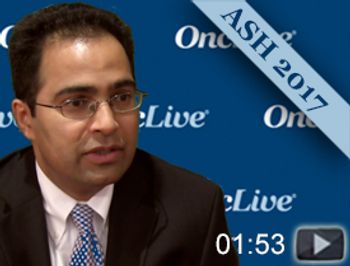
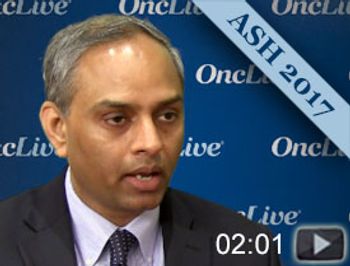
Ian Flinn, MD, Director of the Blood Cancer Research Program, Sarah Cannon Research Institute, discusses the safety, efficacy, and MRD negativity of a combination of venetoclax (Venclexta) and obinutuzumab (Gazyva) in patients with previously untreated chronic lymphocytic leukemia (CLL) during the 2017 ASH Annual Meeting. Overall, 32 patients were treated with this combination in the first-line setting. Investigators saw high complete remission (CR) rates, with over two-thirds of patients experiencing a CR, Flinn explains. In addition, high MRD negativity rates were also demonstrated, in both the peripheral blood and the bone marrow.

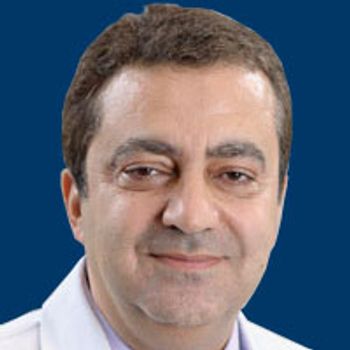
Michael Wang, MD, professor in the Department of Lymphoma and Myeloma at The University of Texas MD Anderson Cancer Center, discusses results from the phase II ACE-LY-004 trial, which explored the BTK inhibitor acalabrutinib (Calquence) in patients with refractory mantle cell lymphoma (MCL).

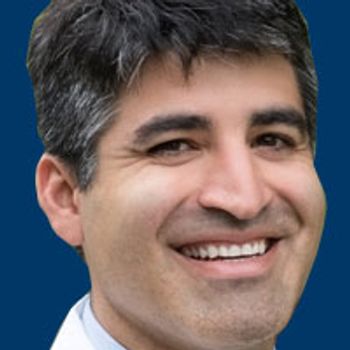
Sattva Neelapu, MD, associate professor, Department of Lymphoma/Myeloma, Division of Cancer Medicine, at The University of Texas MD Anderson Cancer Center, discusses the updated findings of the ZUMA-1 trial investigating axicabtagene ciloleucel (axi-cel; Yescarta) for patients with refractory aggressive non-Hodgkin lymphoma.

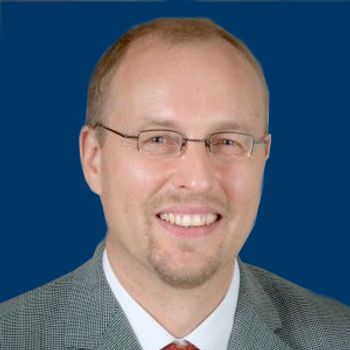
Cristina Gasparetto, MD, associate professor, head of the myeloma program, Duke University Medical Center, discusses a phase 1b study to assess the combination of selinexor and daratumumab (Darzalex) in patients with relapsed/refractory multiple myeloma previously exposed to proteasome inhibitors and immunomodulatory drugs during the 2017 ASH Annual Meeting. Selinexor is an interesting new drug that inhibits Exportin 1 (XPO1), which reactivates some of the tumor suppressor proteins. In the phase 1b portion of the study, investigators aimed to identify the optimal dose of selinexor in combination with daratumumab. Gasparetto says the study included a small number of patients, but demonstrated very encouraging data.