

Golcadomide given at 0.4 mg plus R-CHOP elicited a high rate of metabolic responses in patients with previously untreated aggressive B-cell lymphoma.
Golcadomide given at 0.4 mg plus R-CHOP elicited a high rate of metabolic responses in patients with previously untreated aggressive B-cell lymphoma.
Neha Mehta-Shah, MD, MSCI, discusses unmet needs and future developments in the treatment of patients with peripheral T-cell lymphoma.
The uptake of subcutaneous rituximab has lagged behind the use of the intravenous version in non-Hodgkin lymphoma.
John Seymour, MBBS, FRACP, PhD, discusses the role of genetic profiling in the treatment of chronic lymphocytic leukemia.
Liso-cel produced responses across subgroups of relapsed/refractory chronic lymphocytic leukemia or small lymphocytic lymphoma.
Treatment with valemetostat demonstrated activity and was tolerable in patients with relapsed/refractory peripheral T-cell lymphoma.
D-VRd improved rates of MRD negativity and sustained MRD negativity vs VRd in transplant-eligible, newly diagnosed multiple myeloma.
Elias Jabbour, MD, discusses the potential activity and financial benefit of novel and emerging TKIs for first-line management of chronic phase CML.

Reid Merryman, MD, discusses the evolution of minimal residual disease assays in lymphoma.
Partow Kebriaei, MD, discusses the potential shift away from transplant in acute lymphoblastic leukemia in light of ongoing advancements.
The investigation of treatments harnessing the immune system in patients with T-cell lymphoma could lead to "a new era" of therapy for this patient population.
Imetelstat sustained red blood cell (RBC) transfusion independence in patients with RBC transfusion–dependent lower-risk myelodysplastic syndrome.
Reid W. Merryman, MD, discusses notable advancements with minimal residual disease assays in lymphoma.

Tisagenlecleucel is moving to earlier lines of therapy for pediatric and young adult patients with relapsed/refractory B-cell acute lymphoblastic leukemia.

Sonali M. Smith, MD, discusses the current arsenal of bispecific antibodies available for the management of relapsed/refractory follicular lymphoma.

Sergio A. Giralt, MD, discusses how to determine transplant eligibility and the evolving role of transplant for patients with myelodysplastic syndromes.

Fred R. Hirsch, MD, PhD, discusses the pros and cons of completing a tissue biopsy compared with a liquid biopsy in non–small cell lung cancer.
Wearable-captured physiological metrics and electronic patient reported outcomes were practical and generated knowledge in Waldenström macroglobulinemia.
Atezolizumab plus bevacizumab showed efficacy in patients with hepatocellular carcinoma who had Child-Pugh B7 liver function.
Stephen Opat, MBBS, discusses data for sonrotoclax plus zanubrutinib in relapsed/refractory chronic lymphocytic leukemia and small lymphocytic lymphoma.
High pCR rates were observed for patients with uncommon breast cancer subtypes who received response-predictive subtype–optimized therapy.
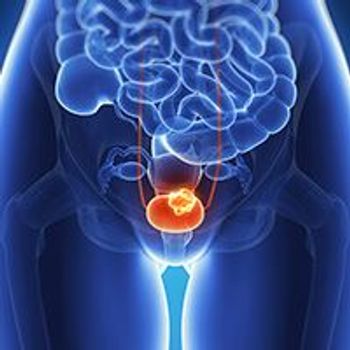
Enfortumab vedotin plus pembrolizumab improved survival vs chemotherapy with no QOL detriment in previously untreated metastatic urothelial cancer.
CIRT plus durvalumab and tremelimumab was safe in patients with advanced hepatocellular carcinoma with macrovascular invasion.
Olomorasib plus pembrolizumab demonstrated responses in first-line metastatic KRAS G12C–mutant non–small cell lung cancer.

Pacritinib was tolerable with a reasonable safety profile in patients with solid tumors harboring 1q21.3 copy number amplifications.
Bite-on-bite biopsies and endoscopic ultrasonography with fine needle aspiration were accurate in detecting MRD after neoadjuvant chemoradiotherapy in ESCC.

East Asian patients with RET fusion-positive NSCLC experienced a PFS benefit when treated with selpercatinib vs chemotherapy with/without pembrolizumab.

Radiotherapy was non-inferior vs chemoradiotherapy in patients with nasopharyngeal carcinoma, and less toxicity was observed with radiotherapy alone.

Lyudmila A. Bazhenova, MD, discusses steps that the lung cancer field can take to improve biomarker research.

Narjust Florez, MD, discusses the importance of addressing crucial gaps in care for patients with lung cancer.