
Cemiplimab produced pathologic complete responses as a neoadjuvant treatment in more than half of patients with resectable, stage II to IV cutaneous squamous cell carcinoma.

Your AI-Trained Oncology Knowledge Connection!
Cemiplimab produced pathologic complete responses as a neoadjuvant treatment in more than half of patients with resectable, stage II to IV cutaneous squamous cell carcinoma.

Patients with completely resected non–small cell lung cancer did not derive a significant benefit with adjuvant canakinumab vs placebo.
Tislelizumab continued to demonstrate an improved clinical benefit compared with docetaxel in both Asian and non-Asian patients with previously treated advanced non–small cell lung cancer.
Intensification of androgen-deprivation therapy plus apalutamide displayed promising efficacy in patients with high-risk, biochemically relapsed prostate cancer.

Four weeks of treatment with nivolumab plus ipilimumab elicited major pathologic responses in 95% of patients with mismatch repair–deficient colon cancer.
Compared with adjuvant pembrolizumab alone, the addition of neoadjuvant pembrolizumab significantly improved event-free survival outcomes for patients with stage III-IV melanoma with a hazard ratio of 0.58.

Sapna Patel, BA, MD, discusses the neoadjuvant administration of pembrolizumab in advanced melanoma.
Daniel P. Petrylak, MD, discusses enzalutamide plus androgen deprivation therapy (ADT) in metastatic hormone-sensitive prostate cancer.
Adjuvant osimertinib resulted in a 77% reduction in the risk of disease recurrence or death in patients with EGFR-mutated, stage II to IIIA non–small cell lung cancer, with a disease-free survival improvement observed irrespective of prior adjuvant chemotherapy or disease stage.
Trastuzumab deruxtecan demonstrated a promising quality-of-life benefit for patients with hormone receptor–positive, HER2-low metastatic breast cancer, according to a report on patient-reported outcomes from the pivotal DESTINY-Breast04 trial.

MEDI5752 plus chemotherapy doubled the duration of response and extended survival compared with pembrolizumab in patients with treatment-naïve nonsquamous non–small cell lung cancer.
The combination of olaparib plus abiraterone acetate and prednisone or prednisolone demonstrated a continuing trend toward an overall survival benefit when used in the first-line treatment of patients with metastatic castration-resistant prostate cancer.
The ULK1/2 inhibitor DCC-3116 was well tolerated as a monotherapy in patients with locally advanced or metastatic tumors harboring a RAS or RAF mutation.
The absence of POU2F2, may be predictive of response to maintenance avelumab in patients with advanced or metastatic urothelial carcinoma, according to findings from an analysis peripheral blood samples taken in the JAVELIN Bladder 100 trial.
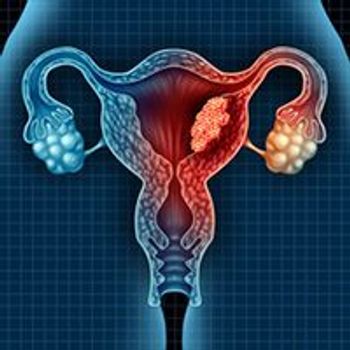
First-line rucaparib maintenance therapy improved progression-free survival vs placebo in patients with newly diagnosed ovarian cancer, according to disease risk subgroup analyses from the phase 3 ATHENA–MONO study.
Lenvatinib plus pembrolizumab maintained clinically meaningful benefits in outcomes vs physician’s choice of therapy for patients with advanced endometrial cancer who received prior platinum-based chemotherapy.

Although the combination of androgen deprivation therapy, abiraterone acetate, and prednisolone showed a clinically meaningful 7-year improvement in overall survival, AAP plus enzalutamide is not recommended in patients with metastatic hormone-sensitive prostate cancer.
The combination of adjuvant nivolumab and ipilimumab did not elicit a significant disease-free survival benefit vs placebo in patients with localized, renal cell carcinoma at high risk for relapse after nephrectomy.

Pembrolizumab plus chemoradiation failed to demonstrate a statistically significant improvement in event-free survival vs chemoradiation alone in patients with locally advanced head and neck squamous cell carcinoma.
A pan-tumor blood-based assay demonstrated a specificity of 99.1% and positive predictive value of 38.0% and resulted in a diagnosis of cancer in 35 individuals.

OncLive® will be LIVE with OncLive® News Network: On Location at the 2022 ESMO Congress. Each day, we will broadcast a series of interviews with top thought leaders, to learn their thoughts and reactions to data presented across oncology during the conference.

The frontline combination of tremelimumab plus durvalumab and chemotherapy generated a long-term overall survival benefit in patients with metastatic non–small cell lung cancer.

The addition of xevinapant to standard-of-care chemoradiotherapy elicited continued 5-year overall survival and 3-year duration of response benefits in patients with unresected head and neck locally advanced squamous cell carcinoma.

Tislelizumab monotherapy provided a clinically meaningful overall survival benefit that was noninferior to sorafenib and showcased a favorable toxicity profile when used as a frontline treatment for patients with unresectable hepatocellular carcinoma.

Treatment with atezolizumab did not improve clinical outcomes vs placebo following resection in patients with renal cell carcinoma at increased risk of recurrence.
Perioperative nivolumab did not improve recurrence-free survival compared with surgery alone in patients with renal cell carcinoma.
Pembrolizumab plus abiraterone acetate and prednisone demonstrated continued efficacy and tolerability in patients with chemotherapy-naïve metastatic castration-resistant prostate cancer.

The investigational type II RAF inhibitor naporafenib exhibited favorable efficacy with a tolerable safety profile in combination with rineterkib, trametinib, or ribociclib in patients with previously treated, unresectable or metastatic melanoma.

Mohamad Ezzeddine Allaf, MD, discusses the results of perioperative nivolumab vs observation in patients with renal cell carcinoma who undergo nephrectomy.
Trastuzumab deruxtecan continued to demonstrate a clinical benefit and tolerable safety profile for patients with locally advanced or metastatic HER2-positive gastric or gastroesophageal junction adenocarcinoma who have received a trastuzumab-based regimen.