
Whitney Goldsberry, MD, discusses patient characteristics and disease factors that sway the decision between available PARP inhibitors in ovarian cancer.
Whitney Goldsberry, MD, discusses patient characteristics and disease factors that sway the decision between available PARP inhibitors in ovarian cancer.
Dana-Farber Cancer Institute announced that 42 of its researchers have been named to the Highly Cited Researchers list of 2024.
NX-5948 has received PRIME designation from the EMA for the treatment of relapsed or refractory chronic lymphocytic leukemia or small lymphocytic lymphoma.
The FDA has accepted a sNDA for darolutamide plus ADT in metastatic hormone-sensitive prostate cancer.
Jorge E. Cortes, MD, details how asciminib is improving upon first- and second-generation SOC TKIs in chronic myeloid leukemia.

PYX-201 produced responses in heavily pretreated head and neck squamous cell carcinoma and other solid tumors.

Sandy Srinivas, MD, details updates from 2024 in the kidney and prostate cancer NCCN guidelines and agents/trials to look forward to in 2025.
The FDA has granted accelerated approval to zanidatamab for pretreated, advanced HER2-positive biliary tract cancer.

Osimertinib has been recommended for approval in patients with locally advanced, unresectable, EGFR-mutant NSCLC after chemoradiation.
An NDA for lisaftoclax in relapsed/refractory chronic lymphocytic leukemia or small lymphocytic lymphoma has been accepted for review.
David R. Oveisi, MD, discusses how the expanded indications for ide-cel and cilta-cel are affecting treatment decision-making in multiple myeloma.

Alberto Montero, MD, MBA, CPHQ, discusses the potential role for STX-478 in PIK3CA-mutant breast and gynecologic cancers.
Zorifertinib has received NMPA approval in the first line for EGFR-mutant advanced or metastatic non–small cell lung cancer displaying CNS metastases.
The FDA has approved revised drug labeling for fludarabine phosphate under Project Renewal.

Parth A. Desai, MBBS, MD, was first author on a study that detailed significant findings in small cell lung cancer.

Serious questions must be asked about the current state of interventional trials in the oncology sphere and how to improve their future value.

Cindy M. Pabon, MD, highlights key findings and the clinical implications of 3 trials addressing questions in gastric and gastroesophageal cancer.


Hope S. Rugo, MD, discusses questions regarding CDK4/6 inhibitors and targeted therapies in HR-positive, HER2-negative advanced breast cancer.

Lubna Naaz Chaudhary, MD, MS, highlights the PARSIFAL and Young-PEARL trials and discusses ongoing research in ER-positive/HER2-negative breast cancer.

Nurse-executive and partnership manager honored for dedication to local heroes.

Subcutaneous pembrolizumab plus chemotherapy generated noninferior PK outcomes vs IV pembrolizumab plus chemotherapy in metastatic NSCLC.
The FDA granted fast track designation to ALE.P02 for CLDN1-positive squamous solid tumors.
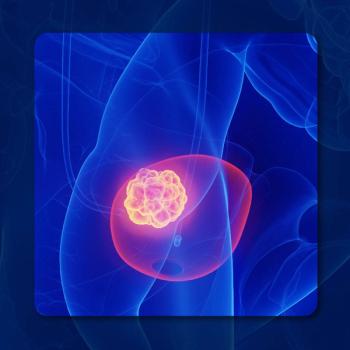
Nogapendekin alfa inbakicept plus BCG continued to generate complete responses in BCG-unresponsive non–muscle-invasive bladder cancer.

Rasha Cosman, BSc, MBBS, FRACP, and Charlotte Lemech, MBBS, discuss the phase 1 MYE Symphony study (NCT05969041) of MT-302 in advanced or metastatic epithelial cancers.
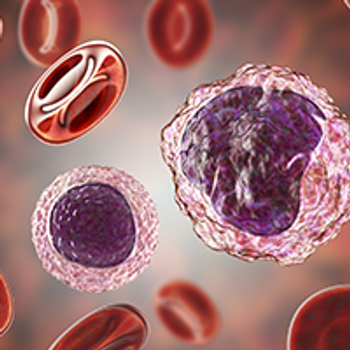
Second-line BTK inhibitors were associated with improved PFS2 and OS2 in late-relapsed mantle cell lymphoma.
Tanios S. Bekaii-Saab, MD, discusses the role of liquid biopsies and ctDNA in gastrointestinal cancers.
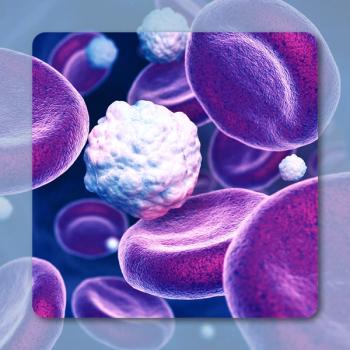
Induction therapy with bendamustine plus obinutuzumab resulted in higher CR rates compared with historical rates of CR with BR in treatment-naive MCL.
Lubna Naaz Chaudhary, MD, MS, discusses selecting a CDK4/6 inhibitor in hormone receptor–positive breast cancer.
The UK MHRA approved frontline toripalimab plus chemotherapy for recurrent/metastatic NPC, as well as for advanced, recurrent, or metastatic ESCC.