

NECS to be the first and only affiliate member of the Dana-Farber Cancer Institute.
NECS to be the first and only affiliate member of the Dana-Farber Cancer Institute.
The combination of brentuximab vedotin and chemotherapy resulted in a statistically significant improvement in overall survival when used in the frontline treatment of patients with advanced classical Hodgkin lymphoma.

The Biden-Harris administration has announced a plan to restart the Cancer Moonshot initiative, which President Joe Biden first launched as vice president of the Obama administration in 2016.
Maurie Markman, MD, explains the concerns surrounding liquid biopsies in cancer screening, and why regulatory agencies should be cautious and not approve any proposed molecularly based cancer diagnostic screening strategy until the tool is shown to effect cancer-specific survival compared with a control population not undergoing such testing.
Developing BRAF inhibitors for patients with atypical class II and III mutations has become an exciting area of research.
The submission of a supplemental biologics license application seeking the approval of a Monday/Wednesday/Friday intramuscular dosing schedule for asparaginase erwinia chrysanthemi-rywn for use as a component of a multiagent chemotherapy regimen in patients with acute lymphoblastic leukemia and lymphoblastic lymphoma who have developed hypersensitivity to Escherichia coli–derived asparaginase has been submitted to the FDA.

Treatment with CD19-specific CAR T cells resulted in durable remission lasting more than 10 years for 2 patients with chronic lymphocytic leukemia.

The FDA has granted a rare pediatric disease designation to the bone-targeting radiopharmaceutical, Samarium-153-DOTMP, for use as a potential therapeutic option for patients with osteosarcoma.

Significant progress has been made toward the initiation of the phase 3 FLAMINGO-01 trial, which will evaluate the combination of the immunotherapy GP2 with granulocyte macrophage colony stimulating factor in the adjuvant treatment of HER2/neu- and HLA-A*02–positive patients following surgery and trastuzumab-based therapy.
Melissa A. Simon, MD, MPH, explains why all researchers, oncologists, and health care professionals play a role in safeguarding equity in clinical trials.
Laura Spring, MD, discusses the influence of the findings from the DESTINY-Breast03 trial with trastuzumab deruxtecan on practice patterns in HER2-positive breast cancer, updates in the management of brain metastases, and ongoing clinical trials she is keeping an eye on to move therapies into earlier lines of treatment.

Angela Jain, MD, provides perspective on use of PARP inhibitors in the treatment of patients with advanced ovarian cancer.

Alexander Babatunde Olawaiye, MD, discusses factors that influence optimized frontline maintenance therapy in advanced ovarian cancer.
In patients with ovarian cancer and pretreatment elevated CA-125 who achieved remission after frontline therapy, most recurrences are detected by rising CA-125 levels or symptoms.

The China National Medical Products Administration has accepted a supplemental new drug application for zanubrutinib as a treatment option for adult patients with chronic lymphocytic leukemia or small lymphocytic lymphoma.

Ruta D. Rao, MD, discusses factors that inform treatment selection for patients with metastatic HER2-positive breast cancer, the effects key data that emerged in 2021 have had on sequencing, strategies to mitigate toxicities associated with trastuzumab deruxtecan, and remaining questions regarding sequencing that may be the focus of ongoing research effort.
A marketing authorization application has been submitted to the European Medicines Agency seeking the approval of teclistamab for the treatment of patients with relapsed or refractory multiple myeloma.

The Cedars-Sinai Cancer Blood & Marrow Transplant Program’s one-year patient survival rate exceeded expectations compared to transplant centers in the U.S. whose similar patients underwent allogeneic transplants.
Reviewing some of the most talked about abstracts that were presented at the 2022 Gastrointestinal Cancers Symposium.
Bradley J. Monk, MD, FACS, FACOG, discusses the unmet needs for patients with ovarian cancer and the clinical trials that seeking to address those needs, including the ADC upifitamab rilsodotin.

Amer Karam, MD, discusses the role of secondary cytoreductive surgery in ovarian cancer and the need for careful patient selection, plus the results from 3 clinical trials and the key differences between these efforts.

The European Medicines Agency’s Committee for Medicinal Products for Human Use recommended to expand the current indication for avapritinib to include single-agent use in patients with aggressive systemic mastocytosis, systemic mastocytosis with an associated hematological neoplasm, or mast cell leukemia.

The FDA has approved an update to the prescribing information for axicabtagene ciloleucel to include use of prophylactic corticosteroids across all approved indications.
Sara A. Hurvitz, MD, provides perspective on key research that was presented during the 2021 SABCS in HER2-positive metastatic breast cancer.

Sarah Lee, MD, MBA, discusses the use of checkpoint inhibitors in endometrial cancer, research regarding the association between MSI-H, dMMR, and TMB-H disease, and the importance of broad molecular testing to ensure all eligible patients are appropriately matched to immunotherapeutic options.

Primary and metastatic brain tumors present a significant therapeutic challenge, in large part because they are protected by the blood-brain barrier, a highly restrictive interface between the bloodstream and the brain that prevents most drugs from accessing the brain parenchyma.
In honor of their notable contributions to the field of cancer research, Juan Fueyo, MD, and Victor Prieto, MD, PhD, from The University of Texas MD Anderson Cancer Center, have been named fellows of the American Association for the Advancement of Science.

Cortney Eakin, MD, discusses alarming trends in uterine cancer histologies in Black women and some of the potential underlying risk factors at play.

Aditya Bardia, MD, MPH, discusses key updates in HER2-positive, hormone receptor–positive, and triple-negative breast cancers, as well as the evolving clinical application of gene signature assays, liquid biopsies, and genotyping.
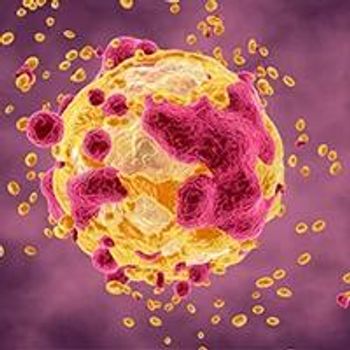
Regeneron Pharmaceuticals, Inc. and Sanofi announced the voluntarily withdrawal of the supplemental biologics license application for cemiplimab-rwlc as a second-line treatment for patients with advanced cervical cancer whose disease progressed on or after chemotherapy.