
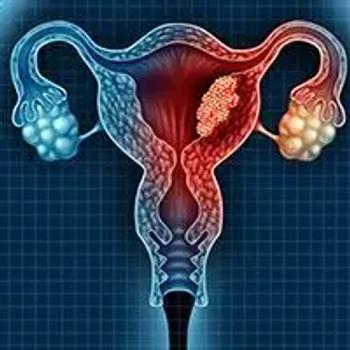
The Japanese Ministry of Health, Labour, and Welfare has approved the combination of pembrolizumab plus lenvatinib for use in patients with unresectable, advanced, or recurrent endometrial carcinoma that has progressed on chemotherapy.
The Japanese Ministry of Health, Labour, and Welfare has approved the combination of pembrolizumab plus lenvatinib for use in patients with unresectable, advanced, or recurrent endometrial carcinoma that has progressed on chemotherapy.

Bintrafusp Alfa, a novel fusion protein designed to target the transforming growth factor beta pathway, racked up 3 clinical trial disappointments in less than a year, leaving the future of its development in question.
Adam M. Brufsky, MD, PhD, FACP, discusses the rationale to evaluate enobosarm in estrogen receptor–positive, androgen receptor–positive metastatic breast cancer, prior data observed with the agent, and the unmet needs positive results of the ARTEST trial could potentially fulfill.
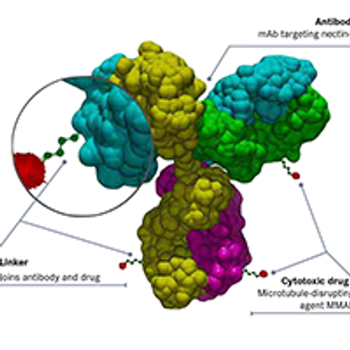
Most ongoing clinical trials exploring nectin-4 as a target involve studies of enfortumab vedotin and its potential synergy with immune checkpoint inhibitors in bladder cancer, while several other early-phase studies are testing novel agents in solid tumors.
Robert Ramirez, DO, FACP, details his path to clinical thoracic oncology after originally planning on entering the academic field early in his career.
Despite advances in treatments for T-cell acute lymphoblastic leukemia, patients have an extremely poor prognosis, highlighting the need to explore the genetic components that lead to the formation of the disease, as well as the need to discover new targeted therapeutic approaches and treatment resistance
Oleg Bess, MD, explains why data quality is essential to improving the United States health care system.

Naresh Bumma, MD, discusses the focus of each presentation on frontline therapy, early and late relapse, and CAR T-cell therapy in multiple myeloma.
Jyoti D. Patel, MD, discusses biomarker testing, interpreting molecular result reports, and the growing armamentarium for patients with oncogene-driven lung cancer.
Nathan Bahary, MD, PhD, a medical oncologist, was most recently the medical director of the Pancreatic Cancer Program, co-director of the UPMC Pancreatic Cancer Center of Excellence, and co-director of the UPMC Phase II program.
The investigational monoclonal antibody enoblituzumab has demonstrated activity in preclinical studies and in combination with pembrolizumab in phase 1/2 studies in patients with checkpoint inhibitor–naïve head and neck squamous cell carcinoma and non–small cell lung cancer.
The armamentarium of multiple myeloma has expanded with the introduction of combination regimens in the up-front setting and novel targeted agents, including CAR T-cell therapy, in the relapsed/refractory setting.
A biologics license application seeking the approval of teclistamab for use in patients with relapsed or refractory multiple myeloma has been submitted to the FDA.
The shift away from accepting only positive overall survival (OS) data from phase 3 trials as the pathway toward regulatory approval has been the biggest takeaway from 2021 in lung cancer.
American Oncology Network, LLC is pleased to announce that eight research studies co-authored by AON physicians were presented at the American Society of Hematology Annual Meeting & Exposition, held December 11-14, 2021.
Throughout 2021, investigators of several pivotal trials presented findings that may result in shifting standards for the treatment of patients across tumor types.
Data from key clinical trials evaluating expanded combination strategies and novel therapies have transformed the treatment paradigms of newly diagnosed, relapsed/refractory, and heavily pretreated multiple myeloma, but it remains important to contextualize the data appropriately without cross-trial comparisons.
Syma Iqbal, MD, shares the main highlights from an IPC meeting, which centered on the evolving landscapes and importance of implementing best practices for patients with hepatobiliary cancers, locally advanced and advanced pancreatic cancer, advanced gastric/gastroesophageal junction cancer, and metastatic colorectal cancer.
Research underway at Rutgers Cancer Institute of New Jersey will contribute to the development of new cancer treatments that are based on the administration of cancer-fighting immune cells to patients.
Immune checkpoint inhibitor therapies have ushered in an exciting new phase of clinical research and treatment for malignant pleural mesothelioma.
Stephen Johnston, MD, PhD, provides insight on the effect the approval of the CDK4/6 inhibitor abemaciclib has for patients with early breast cancer and how it will advance investigative efforts in this space.
The FDA has granted Fast Track Designation to CYNK-001, a non-genetically modified cryopreserved human placental hematopoietic stem cell-derived natural killer cell therapy, for the potential treatment of patients with acute myeloid leukemia.
During a recent OncLive Peer Exchange®, a panel of hematologic cancer experts shared their insights on the most recent FDA-approved agents for MDS, including luspatercept and decitabine/cedazuridine (Inqovi), both of which were approved in 2020.
Peter Schmid, MD, PhD, discussed how this approval defines a new standard of care for patients with TNBC.

Michelle Chi, MD and Jennifer R. Green, MD, share practical points for trainees to approach the initial evaluation for a bleeding-disorder patient.

Leslie S. Kersun, MD, MSCE, MSEd, discusses finding the right fellowship program; the challenge of balancing research, patient care, and education as a trainee; and finding one’s focus during fellowship.
A little self-reflection and a lot of self-compassion go a long way in a world of immense change.
With the rapid uptake of novel therapies, including immunotherapy and targeted therapy, shifts in treatment strategies are anticipated in hepatobiliary cancers, locally advanced and advanced pancreatic cancer, gastric/gastroesophageal junction cancers, and metastatic colorectal cancer.

At the onset of the pandemic, hematology/oncology physicians were challenged in counseling patients with serious underlying malignant conditions about their risk for severe disease due to COVID-19.
MUSC Hollings Cancer Center researchers hope to save lives by expanding the Tobacco Treatment Program, first implemented at MUSC Health in 2014, to rural and underserved communities to improve overall patient health, save patients money and reduce the number of premature deaths.