
Rogerio C. Lilenbaum, MD, discusses some of the key clinical issues facing the lung cancer field, the role of genomic testing and multidisciplinary care, and the challenges that arose with telemedicine during the coronavirus disease 2019 pandemic.
Rogerio C. Lilenbaum, MD, discusses some of the key clinical issues facing the lung cancer field, the role of genomic testing and multidisciplinary care, and the challenges that arose with telemedicine during the coronavirus disease 2019 pandemic.

In the quest for scientific purity, one should not lose sight of the meaningful end points that can make a difference in patients’ daily lives.

February 5, 2021 - Significant heterogeneity was identified in risk of coronavirus disease 2019–related death in patients based on factors such as cancer subtype, age, sex, and in-patient proportion.

February 5, 2021 - Following stem cell transplant or treatment with CAR T-cell therapies, patients with hematologic malignancies and coronavirus disease 2019 tend to have favorable outcomes, especially if they are diagnosed in complete remission and further out from their cell infusion.
February 5, 2021 - The FDA has granted an accelerated approval to umbralisib for the treatment of select patients with relapsed/refractory marginal zone lymphoma and relapsed/refractory follicular lymphoma.
February 5, 2021 - The FDA has approved lisocabtagene maraleucel for the treatment of adult patients with certain types of large B-cell lymphoma who have not responded to, or who have relapsed after, at least 2 other types of systemic treatment.

Although advances in diagnosis and treatment have led to improvements in overall survival for patients with NSCLC, low rates of survival outcomes are present even in those with nonmetastatic disease.
Lori J. Wirth, MD, , discusses the potential impact of pralsetinib on the thyroid cancer treatment landscape.

February 5, 2021 - Durvalumab failed to improve overall survival over the EXTREME chemotherapy regimen in the frontline treatment of patients with recurrent or metastatic head and neck squamous cell carcinoma with tumors expressed high levels of PD-L1, missing a primary end point of the phase 3 KESTREL trial.

Introduced today in the state Senate, legislation details six rights for every cancer patient in California.
Surgical resection should be a standard of care for patients with stage I to IIIA lung cancer, but probing for subclinical stage III disease with endobronchial ultrasound guided biopsy or mediastinoscopy to determine whether surgery should be performed prior to or after systemic therapy.
February 5, 2021 - The potent CDK9 inhibitor zotiraciclib, when used in combination was temozolomide, was found to induce clinically meaningful efficacy with a tolerable safety profile in patients with recurrent, high-grade gliomas.
February 4, 2021 - Despite the threat the coronavirus disease 2019 presents, it’s necessary that patients with cancer continue to receive care at outpatient facilities—a feat that has been made possible at Memorial Sloan Kettering Cancer Center through multidisciplinary efforts, innovative strategy, and technologic advances.

February 4, 2021 - In response to the coronavirus disease 2019 pandemic, investigators have turned to tried-and-true cancer drugs to see whether they can be used to combat the virus.
February 4, 2021 — The Israeli Ministry of Health has approved selinexor for the treatment of patients with multiple myeloma or diffuse large B-cell lymphoma.
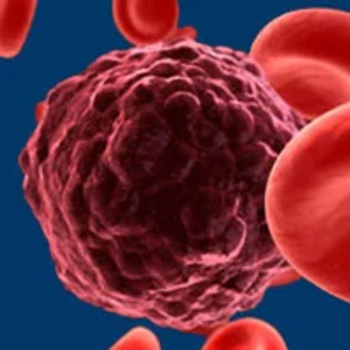
February 4, 2021 - The China National Medical Products Administration has granted a conditional approval to gilteritinib for use in adult patients with relapsed or refractory acute myeloid leukemia with a FLT3 mutation detected by a validated test.

Ziad Hanhan MD, MPH, FACS, highlights the evolution of surgery in the field of lung cancer, the advantages associated with robotic techniques, and the crucial role of the surgeon in determining eligibility for these approaches.
In a year marked by collaboration and innovation, therapeutic developments in oncology care once again dominated the novel drug approvals in 2020.
The landscape for pediatric oncology drugs expanded dramatically last year, with 8 new drugs or indications specifically approved for children compared with just 47 for treatment and supportive care products from the early 1950s through 2019.
Although safety remains a concern with gene therapy, investigators are breaking ground in cell and gene therapy, and many believe that ultimately, a string of cured cancers will follow.

February 3, 2021 - The Drive-By Flu-Fecal Immunochemical Test program not only provides safe and socially distanced colorectal cancer screening opportunities during the coronavirus disease 2019 pandemic, but also may help to address screening declines in diverse communities.

February 3, 2021 - Recent progress made with messenger RNA vaccines has led to amplified protein translation, stronger modulation of immunogenicity, and improved delivery, which has all contributed to an evolution in the application of these products in the field of cancer.

Florian Fintelmann, MD, discusses lung cancer screening with low-dose chest CT, barriers to testing, and the potential expansion of USPSTF lung cancer screening guidelines.
February 3, 2021- The FDA has granted an accelerated approval to tepotinib for adult patients with metastatic non–small cell lung cancer harboring MET exon 14 skipping alterations.
February 3, 2021 - The combination of ceralasertib plus durvalumab improved overall response rate in patients with non‒small cell lung cancer who progressed on an anti-PD-1/PD-L1 therapy.
Neil Berinstein, MD, discussed the early promise with this T-cell therapy in relapsed/refractory diffuse large B-cell lymphoma.
February 3, 2021 - Oral endoxifen, when delivered during the “window of opportunity” between diagnosis of breast cancer and surgery, resulted in a 74% average reduction in Ki-67 and Ki-67 levels lower than 25% at the time of surgery.
Investigators are seeking to determine whether seribantumab, a novel monoclonal antibody, can effectively treat patients with solid tumors that harbor rare NRG1 fusions.

February 2, 2021 — Larotrectinib was found to elicit high response rates, durable responses, and to extend survival benefit in patients with advanced lung cancer whose tumors harbor an NTRK gene fusion, including those with central nervous system metastases.
February 2, 2021 - The time to treatment deterioration for symptoms such as cough, dyspnea, and pain in the chest was found to be comparable between treatment-naïve patients with ALK-positive non–small cell lung cancer who received lorlatinib versus crizotinib.