Jacqueline S. Garcia, MD, discusses the design and findings of a phase II trial of navitoclax and details next steps for the BCL-XL/BCL-2 inhibitor.
Jacqueline S. Garcia, MD, discusses the design and findings of a phase II trial of navitoclax and details next steps for the BCL-XL/BCL-2 inhibitor.
Ruben Mesa, MD, discusses findings from a pooled analysis of fedratinib at full dose in patients with myelofibrosis who had low platelet counts.
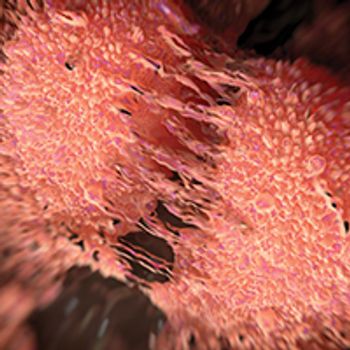
Darolutamide plus androgen deprivation therapy (ADT) led to a significant improvement in overall survival (OS) compared with placebo and ADT in patients with nonmetastatic castration-resistant prostate cancer, according to results from a preplanned final OS analysis of the phase III ARAMIS trial.
Srikanth Nagalla, MD, discusses the management of cancer-related thrombosis in myeloproliferative neoplasms, as well as updates in immune thrombocytopenic purpura.
Thomas J. Scharschmidt, MD, MBOE, discusses the use of targeted muscle reinnervation for amputee patients with cancer as well as therapeutic advances in sarcoma and tenosynovial giant cell tumor.
The FDA has scheduled an Oncologic Drugs Advisory Committee hearing for February 26, 2020, to discuss data supporting a supplemental biologics license application for intravenous ramucirumab injection for use in combination with erlotinib in the frontline treatment of patients with metastatic non–small cell lung cancer whose tumors harbor EGFR Ex19del or Ex21 substitution mutations.
A new drug application has been filed with the Japanese Ministry of Health, Labor and Welfare for manufacturing and marketing approval of cabozantinib for the treatment of patients with unresectable hepatocellular carcinoma following progression on prior systemic therapy.
The European Medicines Agency has validated and is now evaluating a Marketing Authorization Application for the CAR T-cell therapy KTE-X19 for the treatment of adult patients with relapsed/refractory mantle cell lymphoma.
The European Commission has approved apalutamide for use in combination with androgen deprivation therapy for the treatment of adult men with metastatic hormone-sensitive prostate cancer.
C. Parker Gibbs, MD, discusses the research behind p16 and p21 as predictive biomarkers for treatment response in patients with osteosarcoma.
The FDA has granted a priority review designation to a new drug application for selpercatinib (LOXO-292) for the treatment of patients with advanced RET fusion–positive non–small cell lung cancer, RET-mutant medullary thyroid cancer, and RET fusion–positive thyroid cancer.
Larry Anderson, MD, PhD, discusses emerging therapies for patients with multiple myeloma that were highlighted at the 2019 ASH Annual Meeting.

After more than 30 years of leadership as chair of City of Hope’s Department of Hematology & Hematopoietic Cell Transplantation, Stephen J. Forman, MD, has decided to transition out of this role.
A. Oliver Sartor, MD, discusses the development of radiopharmaceuticals in prostate cancer.
Lawrence D. Kaplan, MD, discusses standard frontline treatment in follicular lymphoma, toxicities of some of the newer agents, and preliminary data with bispecific antibodies.
Ankit Kansagra, MD, discusses the evolving use of CAR T-cell therapy in multiple myeloma and lymphoma.

The Centers for Medicare & Medicaid Services has expanded coverage of laboratory diagnostic tests that utilize next-generation sequencing that have been approved or cleared by the FDA for use in patients with germline ovarian or breast cancers.
Richard L. Shapiro, MD, discusses the evolution and current role of surgery in advanced melanoma.
Syed Rizvi, MD, discusses recent therapeutic advances in advanced-stage Hodgkin lymphoma.
Robert L. Coleman, MD, FACOG, FACS, discusses the VELIA trial and the impact the results are going to have on the use of PARP inhibitors in ovarian cancer.
Prapti Patel, MD, discusses available and emerging treatment options for patients with acute myeloid leukemia.
Trastuzumab deruxtecan (Enhertu) improved overall survival versus chemotherapy in patients with heavily pretreated unresectable or metastatic HER2-positive gastric or gastroesophageal junction cancer.
Francisco J. Esteva, MD, PhD, discusses how the use of precision medicine has helped improve the treatment of patients with breast cancer.
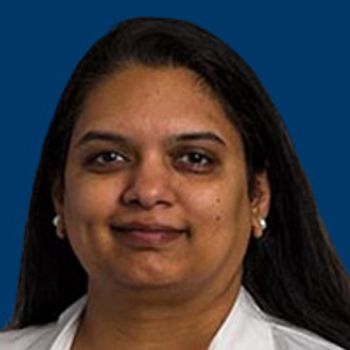
Madhuri Vusirikala, MD, discusses recent changes in the treatment paradigm of acute lymphoblastic leukemia, based on data from the 2019 ASH Annual Meeting.
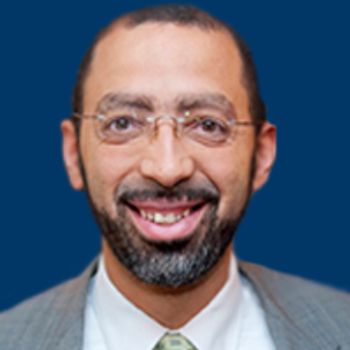
A supplemental biologics license application has been submitted to the FDA for the combination of atezolizumab and bevacizumab for the treatment of patients with unresectable hepatocellular carcinoma who have not received prior systemic therapy.
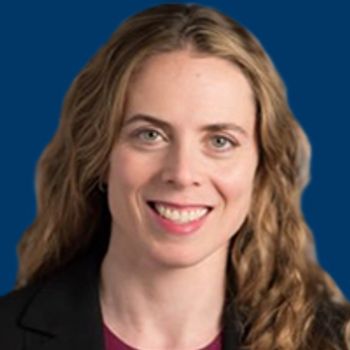
Rebecca L. Olin, MD, MSCE, sheds light on the pivotal progress made in acute myeloid leukemia treatment in recent years.
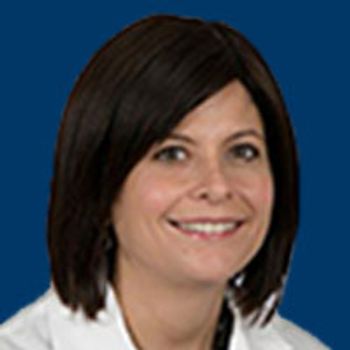
Mira Hellmann, MD, discusses surgical and systemic advancements in the field of gynecologic oncology.
Adjuvant treatment with atezolizumab did not significantly improve disease-free survival compared with observation in patients with muscle-invasive bladder cancer, missing the primary endpoint of the phase III IMvigor010 trial.
The FDA has granted an accelerated approval to tazemetostat for the treatment of adult and pediatric patients aged ≥16 years old with metastatic or locally advanced epithelioid sarcoma that is not eligible for complete resection.
Three biosimilars—bevacizumab-bvzr (Zirabev), rituximab-pvvr (Ruxience), and trastuzumab-qyyp)—will become available in the United States at a substantial discount to their reference products.