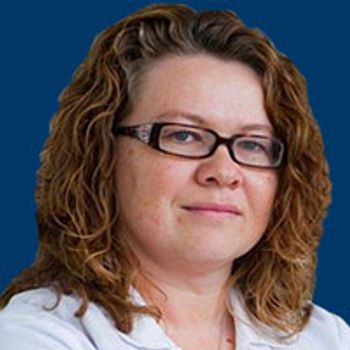
Lyudmila A. Bazhenova, MD, sheds light on initial treatment approaches for patients with EGFR-mutant NSCLC and adapted therapeutic strategies at the time of progression.
Lyudmila A. Bazhenova, MD, sheds light on initial treatment approaches for patients with EGFR-mutant NSCLC and adapted therapeutic strategies at the time of progression.

Ivosidenib demonstrated a statistically significant improvement in progression-free survival by independent radiology review compared with placebo in patients with IDH1-mutant previously treated cholangiocarcinoma.
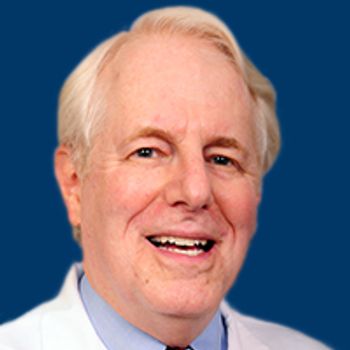
Anthony Shields, MD, PhD, shares recent efforts being made with immunotherapy research in colorectal cancer, stressed the importance of molecular testing, and shed light on the use of liquid biopsies in the space.
The European Commission has granted an approval to lenalidomide in combination with bortezomib and dexamethasone for the treatment of adult patients with previously untreated multiple myeloma who are ineligible for stem cell transplant, as well as pomalidomide in combination with bortezomib and dexamethasone for the treatment of adult patients with myeloma who have received ≥1 prior treatment regimen that included lenalidomide.

The FDA has approved the combination of venetoclax and obinutuzumab for the frontline treatment of patients with chronic lymphocytic leukemia or small lymphocytic lymphoma.
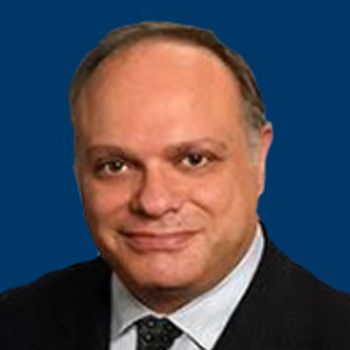
Bassel El-Rayes, MD, further discusses the role of locoregional approaches in borderline and unresectable patients with metastatic colorectal cancer.
The FDA has approved the combination of avelumab and axitinib for the frontline treatment of patients with advanced renal cell carcinoma.
The FDA’s Oncologic Drugs Advisory Committee voted 8-3 against approving a new drug application for quizartinib for adult patients with relapsed/refractory FLT3-ITD–positive acute myeloid leukemia.

Richard Bold, MD, chief of the Division of Surgical Oncology, has been named Physician-in-Chief of the UC Davis Comprehensive Cancer Center.
The FDA has granted an orphan drug designation to the autologous CAR T-cell therapy P-BCMA-101 for the treatment of patients with relapsed/refractory multiple myeloma.
The FDA’s Oncologic Drugs Advisory Committee voted in favor of pexidartinib for an indication as a treatment of adult patients with symptomatic tenosynovial giant cell tumor.

The FDA has granted a breakthrough therapy designation to pomalidomide for use as a treatment for patients with HIV-positive Kaposi sarcoma who have received prior chemotherapy, as well as patients with HIV-negative Kaposi sarcoma.
Bradley McGregor, MD, speaks about the various data that have emerged in renal cell carcinoma with combinations of immunotherapy, TKIs, and how he chooses between the available treatments for his patients.
The FDA has approved ramucirumab (Cyramza) monotherapy for patients with hepatocellular carcinoma who have an alpha fetoprotein of ≥400 ng/ML and have been previously treated with sorafenib.
Pei-Chun McGregor, MD, discusses where future research with androgen deprivation therapy-associated adverse events is headed, and called for multidisciplinary care for patients receiving this approach.
The combination of nivolumab plus radiation therapy compared with temozolomide did not improve overall survival in patients with newly diagnosed O6-methylguanine-DNA methyltransferase-unmethylated glioblastoma multiforme, missing the coprimary endpoint of the phase III CheckMate-498 trial.
Atish D. Choudhury, MD, PhD, details the advances in metastatic prostate cancer in light of updated analyses from several clinical trials and forthcoming research in the field.
This month, OncLive® officially launched the OncLive® Community, a social network designed specifically for healthcare professionals working in the field of oncology.
Joanne Mortimer, MD, discusses key facets of treatment for patients with early and metastatic HER2-positive breast cancer.
Daphne B. Stewart, MD, highlights the pivotal trials evaluating CDK4/6 inhibitors and what unanswered questions remain with this class of agents.
Guru Sonpavde, MD, discusses the current use of immunotherapy and the numerous strategies in development in bladder cancer.
Lyndsey Runaas, MD, discusses the newfound outlook for patients with FLT3- and IDH1/2-mutant acute myeloid leukemia given recent regulatory approvals and trial data.
The antibody-drug conjugate [fam-] trastuzumab deruxtecan (DS-8201) demonstrated encouraging responses in patients with unresectable and/or metastatic HER2-positive breast cancer that has been previously treated with ado-trastuzumab emtansine, according to topline findings from the phase II DESTINY-BreastO1 study.
A vaccine targeting GUCY2C, a commonly overexpressed protein in patients with early-stage colorectal cancer, induced antibody and T-cell responses toward the specified target and demonstrated an acceptable safety profile in this patient population

Nirav N. Shah, MD, discusses the promise of CAR T-cell therapy in hematologic malignancies and highlights recent research exploring sequential CAR-T therapies, armored CAR T cells, as well as other novel approaches.
Sameem Abedin, MD, discusses the recent encouraging data in chronic lymphocytic leukemia with venetoclax, duvelisib, and acalabrutinib.
Laura Kruper, MD, MS, discusses outstanding questions within the context of the current management of the axilla.
John Theurer Cancer Center announced that it has been approved by the National Cancer Institute to become a member of the NCI-designated Georgetown Lombardi Comprehensive Cancer Center Consortium.

Richard (Rick) JaeBong Lee, MD, PhD, discusses the differences between second-generation targeted antiandrogens and highlights potential factors to consider in terms of selection.
The FDA has granted a fast track designation to the CCR5 antagonist leronlimab for use in combination with carboplatin for the treatment of patients with CCR5-positive metastatic triple-negative breast cancer.