Heather Wakelee, MD, shares insight on emerging treatment strategies in EGFR–positive non–small cell lung cancer.
Heather Wakelee, MD, shares insight on emerging treatment strategies in EGFR–positive non–small cell lung cancer.

The Japanese Ministry of Health, Labor, and Welfare has approved abemaciclib (Verzenio) for the treatment of patients with HR-positive, HER2-negative unresectable or recurrent breast cancer in combination with fulvestrant (Faslodex) or an aromatase inhibitor.
Jubilee Brown, MD, Brown explains the value of genetic testing for patients predisposed to and diagnosed with ovarian cancer.

Abhinav Deol, MD, discusses the basics of chimeric antigen receptor T-cell therapy, potential new directions for these products, and the possible impact new products might have on the field.
Rebecca Alexandra Dent, MD, MSc, discusses which patients will derive the most benefit with ipatasertib, whether the agent can fill the unmet need for patients with PIK3CA-mutated TNBC, and what she hopes to learn from the results of the ongoing phase III IPATunity130 trial.
Patrick M. Forde, MBBCh, discusses the advances in early-stage non–small cell lung cancer, emphasizing neoadjuvant and adjuvant immunotherapy trials in stage I, II, and III disease.
The European Commission has approved the combination of encorafenib (Braftovi) and binimetinib (Mektovi) for the treatment of adult patients with BRAF V600–mutant unresectable or metastatic melanoma.
Elisavet Paplomata, MD, discusses the potential of biosimilars to help control costs and increase global access to oncology care.
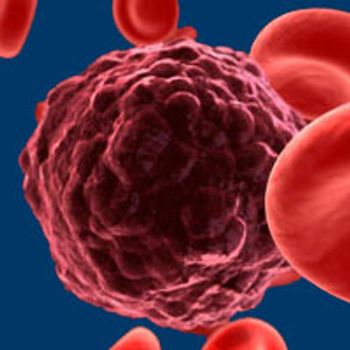
Andrew Kin, MD, shares his insight on the treatment landscape for multiple myeloma and the challenges that remain.
Eric Smith, MD, PhD, discusses the development of novel CAR T-cell therapies for patients with multiple myeloma.
Ronald S. Go, MD, discusses the current treatment strategies of patients with ITP, as well as the process that some physicians use to determine whether a patient is suffering from the disorder.
Erlene Seymour, MD, discusses novel therapies as well as their potential applications in the treatment paradigm of chronic lymphocytic leukemia.

Sara A. Hurvitz, MD, discusses de-escalation strategies in early-stage HER2-positive breast cancer and novel HER2-targeted therapies in development.
Lee S. Rosen, MD, FACP, discusses the benefits of bevacizumab and how biosimilars could change the field.
A new drug application has been submitted to the FDA for erdafitinib for the treatment of patients with locally advanced or metastatic urothelial carcinoma and FGFR genetic alterations whose tumors progressed following chemotherapy.
Abhinav Deol, MD, discusses the presentation and prevalence of idiopathic thrombocytopenic purpura in addition to the current and emerging therapeutic strategies that are used to manage the disease.
Matthew Powell, MD, discusses the promise of immunotherapy in ovarian cancer despite its challenges.
Josephine L. Feliciano, MD, discusses established and emerging therapeutic developments for patients with non–small cell lung cancer with less common driver mutations.
Robert L. Coleman, MD, FACOG, FACS, discusses the evolution of treatment for patients with ovarian cancer, the therapies with the most potential, and the importance of classification schemes in directing treatment in recurrent disease.
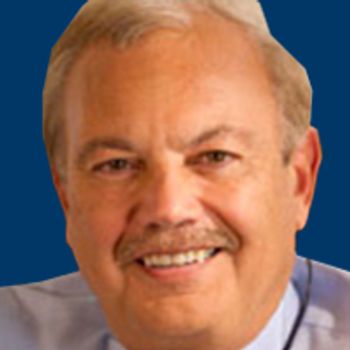
Dennis J. Slamon, MD, PhD, discusses how the MONALEESA-3 results have shifted the understanding of therapy placement in women with HR-positive, HER2-negative advanced breast cancer.

Deepu Madduri, MD, discusses the role of CAR T-cell therapy and other novel treatment options for patients with relapsed/refractory multiple myeloma.
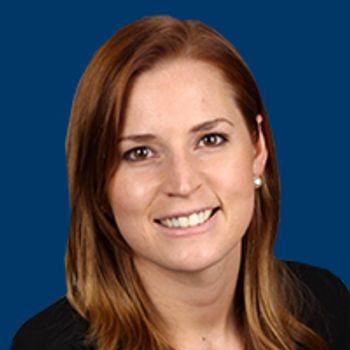
Researchers are exploring combination approaches with ruxolitinib (Jakafi) in myelofibrosis as a potential strategy for reinvigorating the drug’s effect in patients who progress, relapse, or become intolerant on single-agent treatment with the JAK inhibitor.
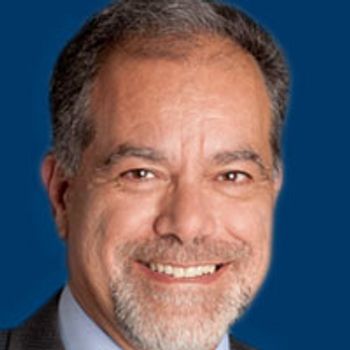
Fred Saad, MD, discusses the clinical significance of the SPARTAN trial, the HRQoL data, and remaining steps in the treatment of patients with nonmetastatic castration-resistant prostate cancer.
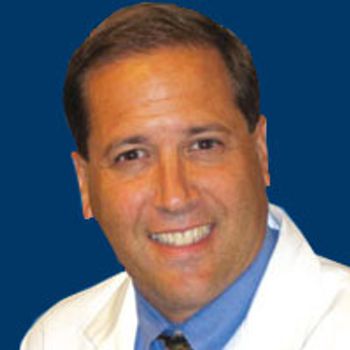
Adam F. Brufsky, MD, PhD, discusses the differences between biosimilars and biologics, incentives for biosimilar use, and investigational agents on the horizon.

The pipeline for relapsed/refractory mantle cell lymphoma treatment is beginning to evolve with novel agents and combination regimens that have the potential to improve patient outcomes.

Results of the phase IIb STORM trial demonstrated that the combination of selinexor and dexamethasone demonstrated promising clinical activity in patients with penta-refractory multiple myeloma, a population that currently has no standard-of-care regimen.
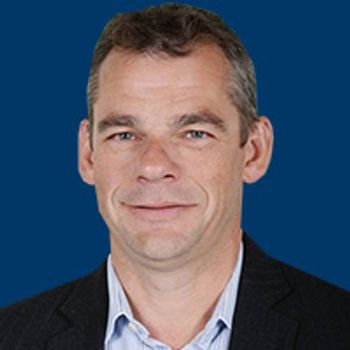
Frontline therapy may be able to be avoided in asymptomatic, young, fit patients with mantle cell lymphoma.
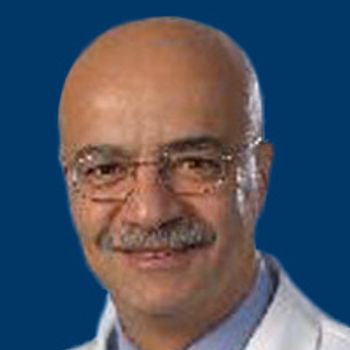
Updated safety data of the ASPIRE and ENDEAVOR trials showed that carfilzomib-based (Kyprolis) regimens demonstrate benefit across patient populations of multiple myeloma.
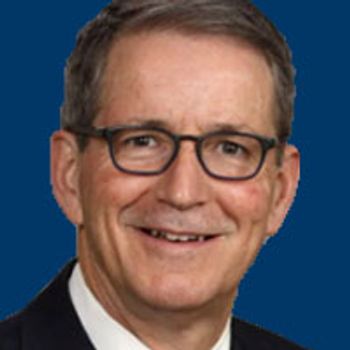
Cure rates in diffuse large B-cell lymphoma remain relatively unchanged, even following therapeutic additions to the armamentarium and an improved understanding of disease biology.

Hundreds of oncology professionals will gather for this “how-to” conference to hear innovative strategies for enhancing program operations, addressing gaps in care delivery, tackling real-world challenges, and supporting a culture of well-being for the entire multidisciplinary care team.