

Adding adjuvant palbociclib to standard endocrine therapy did not improve outcomes in patients with stage II to III hormone receptor–positive, HER2-negative early breast cancer.

Your AI-Trained Oncology Knowledge Connection!
Adding adjuvant palbociclib to standard endocrine therapy did not improve outcomes in patients with stage II to III hormone receptor–positive, HER2-negative early breast cancer.

Pembrolizumab plus chemotherapy demonstrated a statistically significant and clinically meaningful improvement in both progression-free survival and overall survival vs chemotherapy alone in patients with previously untreated, locally recurrent, inoperable, or metastatic triple-negative breast cancer who have a PD-L1 combined positive score of 10 or higher.

Metformin failed to improve invasive disease-free survival or overall survival when used as adjuvant treatment in patients with early breast cancer, irrespective of estrogen or progesterone receptor status.

The role of adoptive cell therapy with tumor-infiltrating lymphocytes for patients with melanoma has undergone scrutiny as efforts to unpack the correlation between the duration of prior immunotherapy and efficacy outcomes.
Patients with primary breast cancer who developed secondary uterine cancer following treatment with tamoxifen may have had disease driven by PI3K-pathway activation.

The highest incidence of lymphedema observed was among the Black women with a 24-month lymphedema rate of 39.4%.

Patients with hormone receptor–positive, HER2-negative metastatic breast cancer with rising ESR1 mutations previously treated with an aromatase inhibitor plus palbociclib had a doubling of progression-free survival when switched to fulvestrant plus palbociclib before disease progression, according to findings from the phase 3 PADA-1 trial.

Genomic alterations identified through multigene sequencing, classified in the I/II tiers of the ESMO Scale of Actionability of Molecular Targets, and paired with matching targeted therapy led to a significant improvement in progression-free survival vs maintenance chemotherapy in patients with HER2-negative metastatic breast cancer.
Imaging mass cytometry at the single-cell level showed potential as an immunotherapy response prediction tool in early triple-negative breast cancer.

The FDA has awarded 510K clearance to the Exablate Prostate system for the treatment of prostate cancer.

The FDA has granted a fast track designation to ST101, a peptide antagonist of C/EBPβ, for the treatment of patients with recurrent glioblastoma.

A new drug application seeking the approval of poziotinib as a potential therapeutic option for patients with previously treated locally advanced or metastatic non–small cell lung cancer with HER2 exon 20 insertion mutations has been submitted to the FDA.

William G. Wierda, MD, PhD, discussed the results of the phase 2 CAPTIVATE trial and the phase 1/2 TRANSCEND CLL 004 trial, and looked ahead to what the future holds for MRD in patients with CLL.
Secura Bio, Inc. has decided to voluntarily withdraw the indication of duvelisib for use in patients with relapsed or refractory follicular lymphoma following at least 2 previous systemic therapies.
Andrea Moreira, MD, a board-certified plastic surgeon specializing in the use of advanced techniques in breast reconstruction, has joined Allegheny Health Network from Cleveland Clinic and will serve as Co-Director of the Microsurgery and Breast Reconstruction Program in the AHN Division of Plastic Surgery.
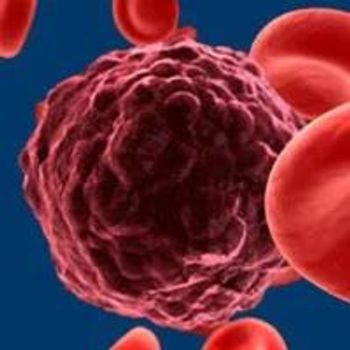
Various immune strategies have been developed in multiple myeloma, including immune-enhancing drugs such as immunomodulatory drugs, checkpoint inhibitors, monoclonal antibodies, and, more recently, chimeric antigen receptor T-cell therapy and bispecific antibodies for T-cell redirection.

Meghan Thompson, MD, discusses the results from the use of pirtobrutinib in the phase 1/2 BRUIN study, as well as upcoming research efforts in the population of patients with Richter transformation.
Filip Janku, MD, PhD, discusses the phase 1 study with ripretinib in patients with KIT-mutated or KIT-amplified melanoma.
Margaret von Mehren, MD, discusses the value of ribociclib plus everolimus for patients with dedifferentiated liposarcoma, and how further research will be focused on biomarker analysis.

Image-guided intensity-modulated radiotherapy caused less toxicity compared with three-dimensional conformal radiation therapy with no difference in disease outcomes in patients with cervical cancer undergoing postoperative radiation therapy.

The FDA has approved pembrolizumab for the adjuvant treatment of adult and pediatric patients with stage IIB or IIC melanoma following complete resection.

The addition of darolutamide to docetaxel and androgen deprivation therapy resulted in a significant improvement in overall survival compared with docetaxel/ADT alone in patients with metastatic hormone-sensitive prostate cancer, meeting the primary end point of the phase 3 ARASENS trial.

Several Yale Cancer Center faculty have authored chapters in a newly released book, A New Deal For Cancer: Lessons from a 50 Year War.

The FDA has granted priority review to the supplemental biologics license application for luspatercept-aamt for the treatment of anemia in adults with non–transfusion dependent β-thalassemia.

Deborah M. Stephens, DO, discusses her approach to treating a patients with chronic lymphocytic leukemia, how CAR T-cell therapy may fit into the treatment paradigm, and the numerous trials that have shown promise in this space.
The FDA has approved rituximab plus chemotherapy for pediatric patients with previously untreated, advanced stage, CD20-positive diffuse large B-cell lymphoma, Burkitt lymphoma, Burkitt-like lymphoma, or mature B-cell acute leukemia.

Bijal Shah, MD, MS, discussed the results of the ZUMA-3 trial and how this approval will enhance the treatment of patients with relapsed or refractory B-cell precursor ALL.

Lisocabtagene maraleucel significantly prolonged event-free survival and progression-free survival and improved complete responses when used in the second-line treatment of patients with relapsed or refractory large B-cell lymphoma.

Richard D. Carvajal, MD, discusses the need for additional treatment options in patients with rare melanomas, the promise of tebentafusp, and ongoing trials in the pipeline for this patient population.
Deborah L. Toppmeyer, MD, discusses clinical trials involving treatments for HER2-positive and triple-negative breast cancer, as well as the importance of making these trials accessible to all patient populations in an attempt to address disparities.