
Benjamin H. Kann, MD, discusses the significance of the PACIFIC trial in patients with stage III NSCLC, existing barriers to treatment, and shared strategies to overcome common challenges faced in clinical practice.

Your AI-Trained Oncology Knowledge Connection!
Benjamin H. Kann, MD, discusses the significance of the PACIFIC trial in patients with stage III NSCLC, existing barriers to treatment, and shared strategies to overcome common challenges faced in clinical practice.
Chung-Han Lee, MD, PhD, discusses the goals of the phase 3 KEYNOTE-B61 study and the potential for immunotherapy/TKI combinations in non–clear cell RCC.
At a median follow-up of 42.8 months, frontline pembrolizumab plus axitinib continued to yield improved outcomes over sunitinib in patients with advanced clear cell renal cell carcinoma.
The novel agents olutasidenib, brexucabtagene autoleucel, and ponatinib demonstrated encouraging data at the 2021 ASCO Annual Meeting in leukemias, renewing hope in the ability to salvage patients with relapsed/refractory disease.
The subspecialty of cardio-oncology has grown in recent years as improved cancer survival rates have expanded the population of long-term survivors with heightened risk of cardiovascular disease and drawn more attention to the need for preventive strategies and disease management.
David R. Gandara, MD has been appointed chief medical officer of the International Society for liquid biopsy, an international non-profit organization dedicated to advancing the field of liquid biopsy in cancer diagnosis and management.
G. Thomas Budd, MD, discussed the promise of tailored treatment approaches in HER2-positive breast cancer, the utility of the combination of fixed-dose trastuzumab, pertuzumab, and hyaluronidase-zzxf via subcutaneous administration, and how sequencing could be further affected by drug development.

The 2021 ASCO Annual Meeting was chock full of practice-changing, practice-affirming, and exciting preliminary research in non–small cell lung cancer, said Melissa Johnson, MD.
Bristol Myers Squibb has made the decision to withdraw in the indication for romidepsin as a monotherapy for the treatment of adult patients with peripheral T-cell lymphoma who have previously received at least 1 therapy.

Memorial Sloan Kettering Cancer Center, the world’s oldest and largest private cancer center, has launched MSKCC India to provide cancer patients in India with access to the institution’s world-renowned oncologists, research, clinical trials, and education.
The role of CD38 within prostate cancer progression must be further explored, along with CD38-targeting in patients with high-risk disease.
The FDA has granted priority review to a supplemental biologics license application for atezolizumab as an adjuvant treatment after surgery and platinum-based chemotherapy in patients with non–small cell lung cancer whose tumors have a PD-L1 expression of 1% or higher per an FDA-approved test.
After nearly two decades of successfully developing therapies directed at molecular aberrations in non–small cell lung cancer, investigators are exploring a new generation of novel targets, including some not specifically associated with driver mutations.
Joshua F. Zeidner, MD, discusses the role that HMAs have played in the MDS treatment landscape and shared data reported with promising emerging agents like pevonedistat that can be combined with HMAs to improve outcomes for certain patient subsets.
Sara A. Hurvitz, MD, highlights that although differences in overall survival and toxicity profile could inform treatment selection with CDK4/6 inhibitors, optimal sequencing with these agents remains uncertain.
Physicians treating patients with HER2-positive metastatic breast cancer have had their share of wins with treatment advances in the past few years.
The FDA has granted a fast track designation to nemvaleukin alfa as a potential therapeutic option for patients with mucosal melanoma.
Treatment with imetelstat demonstrated clinical efficacy across molecularly defined subgroups of patients with heavily transfused, lower-risk myelodysplastic syndrome who did not harbor 5q deletions and were relapsed/refractory to erythropoiesis-stimulating agents.
Moffitt Cancer Center is currently working to develop a host of novel therapeutic treatments within the breast cancer space, from immunotherapeutics to personalized cancer vaccines.
The combination of ivosidenib plus azacitidine significantly improved event-free survival compared with azacitidine plus placebo in previously untreated patients with IDH1-mutated acute myeloid leukemia, meeting the primary end point of the phase 3 AGILE trial.
Ferdinandos Skoulidis, MD, PhD, discusses the necessity for targeting and screening patients for KRAS G12C mutations.
Germline variation could play a role in racial disparities related to prostate cancer risk, with individuals of African descent having a higher mean genetic risk score compared with men of European ancestry.
Karen L. Kelly, MD, discusses overcoming osimertinib resistance in patients with non–small cell lung cancer through the use of bispecific antibodies.
Ongoing studies with biomarker-selected cohorts may help to identify subsets of patients with thoracic malignancies who might confer benefit from PARP inhibitors.
Many checkpoint inhibitors are currently under investigation in combination with concurrent radiotherapy in stage III non–small cell lung cancer, which experts propose could have practice-changing implications.
Significant advances have been made regarding the development of KRAS G12C inhibitors in non–small cell lung cancer in recent years, explained Karen L. Reckamp, MD, who added that research regarding predictive co-mutations, acquired resistance, and combination strategies is expected to propel the utility of these agents even further.
Maria E. Arcila, MD, highlights important considerations for selecting among molecular diagnostic tests for patients with lung cancer.
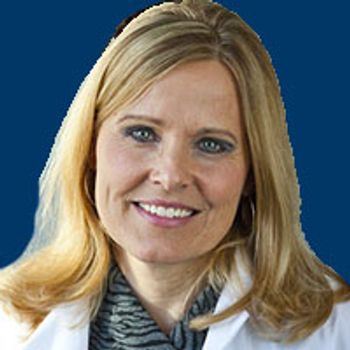
Osimertinib has emerged as the standard of care for patients with EGFR-mutated non–small cell lung cancer, but the need for novel agents is underscored as disease progression on the agent is inevitable.
David R. Gandara, MD, discusses how minimal residual disease testing might be incorporated into lung cancer clinical practice.
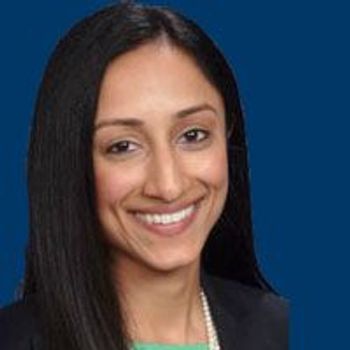
Sukhmani K. Padda, MD, discusses strategies to overcome EGFR resistance in patients with non–small cell lung cancer.