

The European Commission has approved isatuximab for use in combination with carfilzomib and dexamethasone in the treatment of patients with relapsed multiple myeloma who have received at least 1 previous therapy.

Your AI-Trained Oncology Knowledge Connection!
The European Commission has approved isatuximab for use in combination with carfilzomib and dexamethasone in the treatment of patients with relapsed multiple myeloma who have received at least 1 previous therapy.

The FDA has granted priority review to 2 supplemental biologics license applications for enfortumab vedotin-ejfv for the treatment of select patients with locally advanced or metastatic urothelial cancer.
As investigators expand their understanding of the biology of endometrial cancer, doors to new treatment approaches are opening, including the use of a variety of combinations that employ targeted therapies and immunotherapies.

Jyoti D. Patel, MD, discusses the evolving use of osimertinib in EGFR-mutant NSCLC and emerging targeted agents for patients with EGFR exon 20 insertion mutations.

The frontline treatment landscape of renal cell carcinoma is exploding with immunotherapy-based options.

Kristen Marrone, MD, discusses the evolving role of postoperative radiotherapy in early-stage non–small cell lung cancer and ongoing trials examining the use of immunotherapy and targeted agents in patients with unresectable stage III disease.

Earle Burgess, MD, discusses treatment considerations for PARP inhibitor use in patients with prostate cancer.

Experts from Northern California-based cancer center to join panels responsible for evidence- based recommendations in NCCN Clinical Practice Guidelines and NCCN Guidelines for Patients, among other resources to improve outcomes for people with cancer.

When considering which frontline option to administer to a patient with renal cell carcinoma, it is important to first understand which risk group they belong to.

Yoomi Lee, MD, discusses the safety profile of surufatinib and highlighted future directions for patients with pancreatic and extrapancreatic NETs.

Jacob Sands, MD, discussed current approaches to the treatment of patients with early-stage and locally advanced non–small cell lung cancer.

Sophia George, PhD, and Judith E. Hurley, MD, discuss the importance of the genetic association study, challenges faced with launching such an effort, the key findings from the research, and the clinical implications of the data in the Caribbean as well as the United States

The FDA has approved nivolumab to be combined with select types of chemotherapy for the frontline treatment of patients with advanced or metastatic gastric cancer, gastroesophageal junction cancer, and esophageal adenocarcinoma.
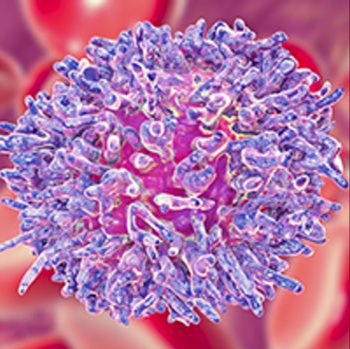
Tazemetostat as a single agent or in combination with zanubrutinib demonstrated antitumor activity in mantle cell lymphoma cell lines with intrinsic resistance to BTK inhibitors, suggesting that the agent could be a promising therapeutic option for patients with primary relapsed/refractory disease.

Although anticancer therapies that leverage T cells have commanded the most attention in the immuno-oncology era of the past decade, strategies based on natural killer cells have recently emerged as attractive approaches.

Reattaching the greater trochanter to the proximal femur endoprosthesis did not show an improvement in Trendelburg gait or reliance on an assistive ambulatory device vs a soft tissue–only abductor repair in patients with bone cancers.

Lewis Au, MBBS, BMedSci, FRACP, discusses antibody responses to COVID-19 observed in patients with cancer.
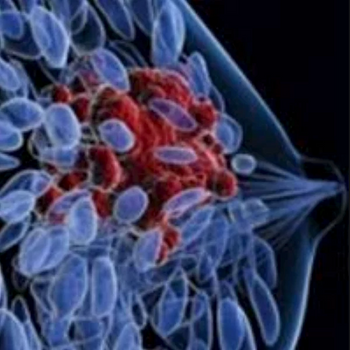
The addition of SDX-7320, a novel inhibitor of methionine aminopeptidase 2, to palbociclib was found to inhibit MCF-7 tumor growth and reduce the expression of proteins associated with resistance to palbociclib.

Sumanta K. Pal, MD, details ongoing research efforts dedicated to providing additional therapeutic options for patients with RCC in the second-line setting and beyond.

Combining the 31-gene expression profile test with current American Joint Committee on Cancer staging guidelines may improve risk assessment in patients with cutaneous melanoma, as well as determine which patients could be candidates for more intense follow-up.

Saad Z. Usmani, MD, FACP, discusses the rapidly changing cellular therapy paradigm in relapsed/refractory multiple myeloma.

Chronic immune-related adverse effects arising from adjuvant anti–PD-1 therapy in patients with high-risk melanoma are more common than previously recognized, and often persisted with longer follow-up.

The combination of atezolizumab, carboplatin, and etoposide, as well as durvalumab, etoposide, and platinum chemotherapy, each have shown survival improvements vs chemotherapy alone as frontline therapy in patients with extensive-stage small cell lung cancer.

Postoperative survival after surgery for spinal metastases has improved over the past 20 years, particularly in patients with kidney, breast, lung, and colon tumors metastatic to the spine.

Raymond Wadlow, MD, discusses the emergence of combination chemotherapy regimens in metastatic pancreatic cancer and the promise of emerging strategies that are under exploration.

Kerry A. Rogers, MD, discusses the safety profile of the combination of ianalumab plus ibrutinib, in patients with chronic lymphocytic leukemia.
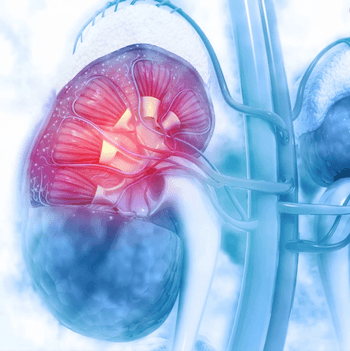
The European Commission has approved the combination of nivolumab and cabozantinib as a frontline treatment in patients with advanced renal cell carcinoma.
A triplet combination regimen that targets PIK3CA mutations, ER, and CDK4/6 can reduce and inhibit tumor growth in preclinical models of estrogen receptor–positive breast cancer that is resistant to fulvestrant plus a CDK4/6 inhibitor or PI3K inhibitor.

Genetic assays such as those utilized in the phase 3 TAILORx, MINDACT, and RxPONDER trials are helping to provide valuable insight to inform treatment decisions in patients with breast cancer.
The FDA has granted a rare pediatric disease designation to the p-STAT3 inhibitor WP1066 for the treatment of patients with ependymoma, a rare type of tumor that can develop in the brain or the spinal cord.