
Mark G. Kris, MD, discusses the strengths of this year’s New York Lung Cancers Symposium, the advances that have been made over the past year, and potential routes forward in advancing the field of lung cancer.

Your AI-Trained Oncology Knowledge Connection!
Mark G. Kris, MD, discusses the strengths of this year’s New York Lung Cancers Symposium, the advances that have been made over the past year, and potential routes forward in advancing the field of lung cancer.
December 2, 2020 - Patients with high-grade Bacillus Calmette-Guérin unresponsive non-muscle invasive bladder cancer who responded to the investigational gene therapy nadofaragene firadenovec had a lower rate of cystectomy and delayed time to cystectomy compared with those who did not respond.
Lan G. Coffman, MD, PhD, discusses the role of genetic testing in breast and gynecologic cancers and the many advances made with targeted therapies.

December 2, 2020 - The novel immunotherapeutic vaccine DSP-7888, in combination with pembrolizumab, has been dosed in the first patient with platinum-resistant ovarian cancer.

Vignesh Narayanan, MD, the role of chemoimmunotherapy and how it has truly changed the game in the treatment of patients with lung cancer.

Joseph G. Jurcic, MD, discusses strategies to optimize patient selection for luspatercept in MDS.
Jordan D. Berlin, MD, discusses the unmet needs in pancreatic cancer treatment and ongoing research efforts with nanoliposomal irinotecan.
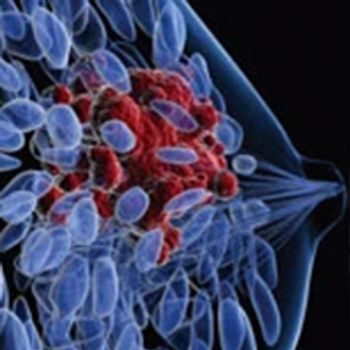
December 2, 2020 - Four pivotal trials––KATHERINE, FeDeriCa, DESTINY-Breast01, and HER2CLIMB have not only amplified the armamentarium in HER2-positive breast cancer, but have illustrated the importance of neoadjuvant therapy, alternative administration methods, high-potency HER2-targeted therapy, and inclusion of all-comers with brain metastases in clinical trials.
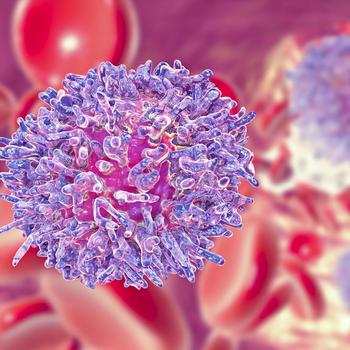
The combination of 10-day decitabine with venetoclax elicited responses and was found to be well tolerated in older patients with newly diagnosed acute myeloid leukemia who are ineligible for chemotherapy.
December 1, 2020 - The FDA has approved pralsetinib for the treatment of select patients with advanced or metastatic RET-mutant medullary thyroid cancer who require systemic therapy or RET fusion-positive thyroid cancer who require systemic therapy and who are radioactive iodine-refractory.
December 1, 2020 - The FDA has approved Gallium 68 PSMA-11, the first drug for PET imaging of prostate-specific membrane antigen–positive lesions in patients with prostate cancer.
December 1, 2020 — The FDA has granted a fast track designation to irinotecan liposome injection as second-line monotherapy option for patients with small cell lung cancer whose disease progressed following a platinum-based chemotherapy regimen.
December 1, 2020 - A rolling submission of a biologics license application to the FDA has been initiated for the CD20-directed monoclonal antibody ublituximab in combination with the PI3K-delta and CK1-epsilon inhibitor umbralisib for the treatment of patients with chronic lymphocytic leukemia.
The repercussions of delays in diagnosing cancer, either through screening or the presence of early symptoms, and of required modifications in standard-of-care management paradigms in the COVID-19 era are only now beginning to be fully appreciated.
December 1, 2020 - The FDA has granted a priority review designation to the oral FGFR1-3 selective inhibitor infigratinib for the treatment of patients with cholangiocarcinoma.

The use of response-based consolidation coupled with radiation therapy was found to be effective and well tolerated, with low failure rates, in pediatric patients with high-risk classical Hodgkin lymphoma.
Vincent J. Picozzi Jr, MD, spotlights the launch of PanCAN’s Precision Promise clinical trial platform, and how it is expected to impact clinical practice.

The Japanese Ministry of Health, Labor, and Welfare has approved cabozantinib for the treatment of patients with unresectable hepatocellular carcinoma that has progressed on prior systemic therapy.

November 30, 2020 - The FDA has granted a fast track designation to eprenetapopt as a treatment for patients with TP53-mutant acute myeloid leukemia.
November 30, 2020 - The FDA has granted a breakthrough therapy designation to zanidatamab for the treatment of patients with HER2 gene–amplified biliary tract cancer who have received prior therapy.
The FDA has granted a priority review designation to a new drug application for belumosudil for the treatment of patients with chronic graft-versus-host disease.

November 30, 2020 - Dose escalation with ripretinib following disease progression on the 150-mg daily dose led to a clinically meaningful benefit in patients with advanced gastrointestinal stromal tumor.

November 30, 2020 - The European Medicines Agency has validated an application to review tepotinib for the treatment of adult patients with advanced non–small cell lung cancer that harbor MET exon 14 skipping alterations.

The availability of targeted therapy, antibody-drug conjugates, and immunotherapy necessitates greater discussions regarding second-line treatment for patients with metastatic hormone receptor–positive, HER2-negative breast cancer, third-line treatment for patients with metastatic HER2-positive breast cancer, and neoadjuvant therapy for patients with locally advanced triple-negative breast cancer.
November 30, 2020 - The FDA has approved the Sonalleve MR-guided high-intensity focused ultrasound (MR-HIFU) system for the treatment of patients with osteoid osteoma in the extremities.

Laparoscopic distal gastrectomy with D2 lymphadenectomy demonstrated comparable rates of 3-year relapse-free survival vs open distal gastrectomy in patients with locally advanced gastric cancer.
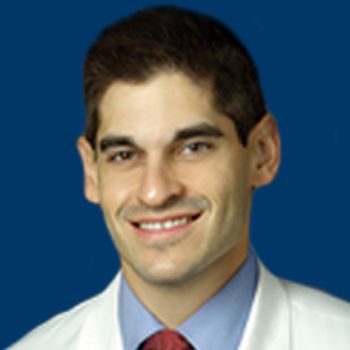
Joshua Reuss, MD, discusses the lung cancer armamentarium, the role of immunotherapy combinations, and the significance of biomarkers.

Breast cancer specialists discuss noteworthy data on efficacy and safety about fam-trastuzumab deruxtecan-nxki, neratinib, and tucatinib.

Selinexor demonstrated a statistically significant improvement in progression-free survival compared with matching placebo in patients with advanced unresectable dedifferentiated liposarcoma, following at least 2 prior treatments.

Milind Javle, MD, provides insight into the current treatment paradigm of advanced HCC and the potential influence ongoing research regarding biomarkers of response and novel combinations could have on the field.