
The FDA has granted a priority review designation to a biologics license application for the combination of tafasitamab and lenalidomide for the treatment of patients with relapsed/refractory diffuse large B-cell lymphoma.

Your AI-Trained Oncology Knowledge Connection!
The FDA has granted a priority review designation to a biologics license application for the combination of tafasitamab and lenalidomide for the treatment of patients with relapsed/refractory diffuse large B-cell lymphoma.
Combining venetoclax with low-dose cytarabine (LDAC) did not lead to a statistically significant improvement in overall survival compared with LDAC alone in newly-diagnosed patients with acute myeloid leukemia who are ineligible for intensive chemotherapy, according to findings from the phase III VIALE-C (M16-043) trial.
Pembrolizumab demonstrated a statistically significant and clinically meaningful improvement in progression-free survival compared with brentuximab vedotin in adult patients with relapsed/refractory classic Hodgkin lymphoma, meeting one of the dual primary endpoints of the phase III KEYNOTE-204 trial.
Andrew Yee, MD, reflects on recent clinical trials in multiple myeloma that focused on novel multidrug regimens.
The United Kingdom’s National Institute for Health and Care Excellence has recommended the combination of lenalidomide and rituximab as a treatment option for adult patients with grade 1 to 3A previously treated follicular lymphoma.
In an effort to make the use of laparoscopic power morcellators a safer and more effective choice in gynecologic surgeries, the FDA has released a statement that it will be putting a handful of strategies and recommendations in place.
Alain C. Mita, MD, discusses the impact of immunotherapy in the frontline and recurrent settings for patients with small cell lung cancer.
The FDA has granted a breakthrough therapy designation to Debio 1143, an inhibitor of apoptosis protein antagonist, for the treatment of patients with previously untreated, unresectable, locally advanced squamous cell carcinoma of the head and neck in combination with standard cisplatin-based concomitant fractionation chemoradiation therapy
Experts from Memorial Sloan Kettering Cancer Center and NYU Langone Health’s Perlmutter Cancer Center highlight some of the exciting research efforts being conducted at their respective institutions.
Andrew Branagan, MD, discusses the evolving role of transplant and ongoing research in high-risk multiple myeloma.

The European Medicines Agency has validated a Type II Variation for niraparib as a first-line maintenance treatment for patients with advanced ovarian cancer who have responded to platinum-based chemotherapy, regardless of biomarker status.
Robb S. Friedman, MD, shares insight on the emergence of selinexor in the treatment paradigm for patients with relapsed/refractory multiple myeloma.
Ian S. Hagemann, MD, PhD, discusses identifying resectable lymph nodes via ultrastaging and the importance of multidisciplinary treatment in patients with endometrial cancer.
The United Kingdom’s National Institute for Health and Care Excellence has chosen not to recommend polatuzumab vedotin plus rituximab and bendamustine for use in adult patients with relapsed/refractory diffuse large B-cell lymphoma who cannot undergo hematopoietic stem cell transplant.
The FDA's Oncologic Drugs Advisory Committee voted 6 to 5 in favor of intravenous ramucirumab injection for use in combination with erlotinib as a frontline treatment for patients with metastatic non–small cell lung cancer whose tumors harbor EGFR exon 19 deletions (Ex19del) or exon 21 (L858R) substitution mutations.

Infectious diseases are the second-leading cause of mortality in patients with cancer, whose immune systems are often compromised, so it is essential for providers to keep abreast of the latest developments in the management of coronavirus disease 2019.
Michael Choi, MD, sheds light on the data with BTK and BCL-2 inhibitors in CLL and shares ongoing research being done with PI3K inhibitors and CAR T-cell therapy in the relapsed/refractory setting.
Stephen J. Schuster, MD, discusses promising findings and next steps for mosunetuzumab in patients with relapsed/refractory non-Hodgkin lymphoma.
Martin T. King, MD, PhD, discusses the INTREPId trial exploring darolutamide plus radiation therapy in patients with prostate cancer.
The FDA has approved a supplemental new drug application for neratinib in combination with capecitabine for the treatment of adult patients with advanced or metastatic HER2-positive breast cancer who have received ≥2 prior anti–HER2-based regimens in the metastatic setting.
Gemtuzumab ozogamicin in combination with intensive induction therapy was associated with a higher early death rate compared with induction therapy alone in patients with NPM1-mutated acute myeloid leukemia.
Amir Ali Khan, MD, discusses the results of the database analysis and the remaining questions with young adult patients with colorectal cancer and gastric cancer.
Neoadjuvant and concurrent androgen-deprivation therapy (ADT) with dose-escalated prostate radiotherapy (PRT) and concurrent and adjuvant ADT plus dose-escalated PRT were found to have no statistically significant differences in biochemical relapse-free survival in patients with localized prostate cancer, according to results of a phase III trial.

Experts from Virginia Cancer Specialists, Georgetown University, Dana-Farber Cancer Institute, and Johns Hopkins Medicine to provide insight on some of the pivotal research being conducted at their respective institutions.
Alexander Leandros Lazarides, MD, discusses the need for better drug discovery models in osteosarcoma and provides insight into a new personalized medicine pipeline that has the potential to redefine drug development in the field.
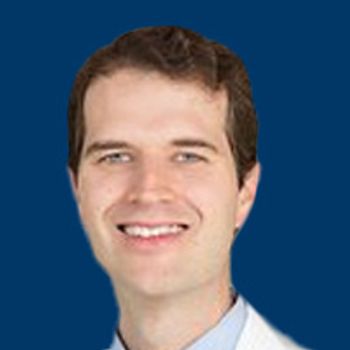
Benjamin Heyman, MD, discusses frontline and maintenance therapy options, novel targeted approaches, and the expanding role of minimal residual disease in patients with follicular lymphoma.
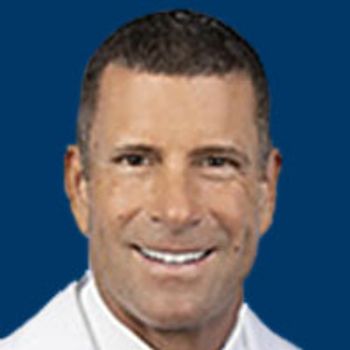
R. Lor Randall, MD, FACS, highlights the specific challenges faced by adolescent and young adult patients with sarcomas, the importance of promoting awareness of this issue, and the resources available to improve outcomes in this population.
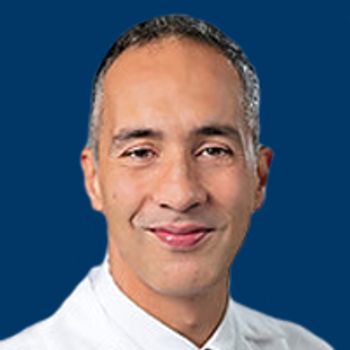
Ayad Hamdan, MD, discusses the impact of the 4-year follow-up data from the ECHELON-1 trial in advanced-stage Hodgkin lymphoma.
The FDA has accepted a Biologics License Application for a fixed-dose combination of pertuzumab and trastuzumab with hyaluronidase, administered by subcutaneous injection in combination with intravenous chemotherapy, for the treatment of eligible patients with HER2-positive breast cancer.
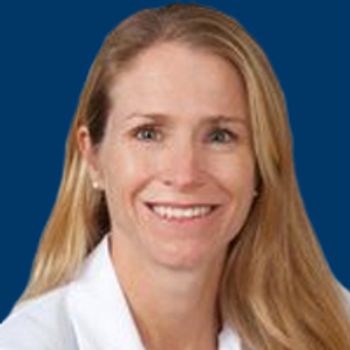
Caitlin Costello, MD, discusses pivotal research in the relapsed/refractory multiple myeloma setting.