

Christopher P. Fox, MBChB(Hons), PhD, FRCP, FRCPath, discusses the ongoing evaluation of duvelisib in nodal T-cell lymphoma.
Christopher P. Fox, MBChB(Hons), PhD, FRCP, FRCPath, discusses the ongoing evaluation of duvelisib in nodal T-cell lymphoma.
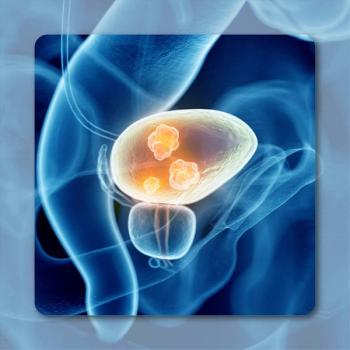
Pivotal phase 3 trials are ongoing following data from a phase 1 study showing that adding mevrometostat to enzalutamide was safe and efficacious.

Kimberly Stegmaier, MD, was recently named Chair of Pediatric Oncology at Dana-Farber Cancer Institute.
The HyperVIEW X-ray system has received breakthrough device designation from the FDA for contrast-enhanced imaging for diagnosis of breast cancer.
RZ-001 has received FDA fast track designation for the treatment of patients with hepatocellular carcinoma.
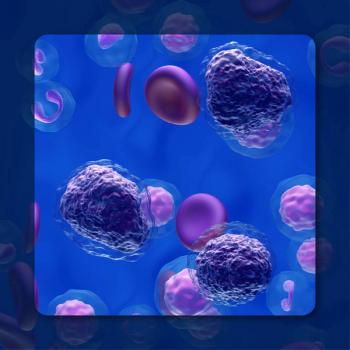
Odronextamab produced durable responses in relapsed/refractory diffuse large B-cell lymphoma after disease progression following CAR T-cell therapy.
Funda Meric-Bernstam, MD, highlights considerations with pan-tumor approvals and where testing and reporting should be improved for clarity/ease.
Mohammed Najeeb Al Hallak, MD, MS, discusses patient-specific factors to consider during the selection of frontline systemic therapy for HCC.
SIGX1094 received fast track designation from the FDA for diffuse gastric cancer.
Gentry King, MD, discusses positive and negative outcomes following the phase 3 CELESTIAL and COSMIC-312 trials in patients with hepatocellular carcinoma.
Julie M. Vose, MD, MBA, discusses the 3-year follow-up data with epcoritamab in patients with relapsed/refractory diffuse large B-cell lymphoma.
Networking is an underutilized skill that requires practice but can have a high impact on shaping your career path.
Press release
The University of Texas MD Anderson Cancer Center and Texas Children’s Hospital have announced a collaboration dedicated to pediatric cancer care.
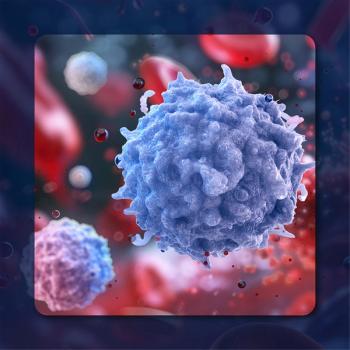
The Ministry of Health, Labour, and Welfare in Japan has approved epcoritamab for relapsed or refractory follicular lymphoma.
Tambiciclib plus zanubrutinib generated responses in patients with relapsed/refractory diffuse large B-cell lymphoma.
The FDA granted fast track designation to 67Cu-SAR-bisPSMA for PSMA-positive metastatic castration-resistant prostate cancer.
Petosemtamab/pembrolizumab received FDA breakthrough therapy designation for PD-L1–positive recurrent/metastatic head and neck squamous cell carcinoma.
Rohan Maniar, MD, details considerations when treating patients with rare thymic epithelial tumors as well as notable ongoing research in the field.
Gentry King, MD, highlights the evolution of treatments in the hepatocellular carcinoma landscape and the impact of the phase 3 HIMALAYA trial.
Experts across the field of GU oncology share important insights and spotlight key research presented at the 2025 GU Cancers Symposium.

Claire Harrison, MD, FRCP, FRCPath, discusses research that may evolve the clinical use of JAK inhibitors and mutation-specific therapies in myelofibrosis.

The NCCN Guidelines for metastatic uveal melanoma now recommend HEPZATO KIT as a Category 2A treatment option for patients with hepatic-dominant disease.
The FDA has granted priority review to zongertinib for unresectable or metastatic HER2-mutant advanced NSCLC.
The GVHD Alliance honored Shernan Holtan, MD, of Roswell Park Comprehensive Cancer Center, as the recipient of the 2025 Lukas D. Wartman Award.
Neoadjuvant nivolumab plus chemotherapy improved overall survival in resectable non–small cell lung cancer.

Following its approval in high-risk BCG-unresponsive NMIBC with CIS, nadofaragene firadenovec is being assessed in intermediate-risk disease in ABLE-32.
Detalimogene voraplasmid generated complete responses in BCG-unresponsive non–muscle-invasive bladder cancer with carcinoma in situ.
R. Lor Randall, MD, FACS, discusses the enrollment criteria for a trial investigating surgical outcomes in patients with proximal femur metastases.
Christopher L. Moertel, MD, discusses the FDA approval of mirdametinib for patients with neurofibromatosis type 1–associated plexiform neurofibromas.

Neeta Somaiah, MD, highlights the evolving sarcoma treatment paradigm within the past 5 years, including the FDA approval of afamitresgene autoleucel.