

A study from researchers at Temple University Hospital and Fox Chase Cancer Center found that adjuvant therapy may be underutilized in T2N0 rectal cancer.
A study from researchers at Temple University Hospital and Fox Chase Cancer Center found that adjuvant therapy may be underutilized in T2N0 rectal cancer.

UV1 added to pembrolizumab elicited sustained OS outcomes as frontline therapy in advanced, unresectable, or metastatic malignant melanoma.

Benjamin L. Maughan, MD, PharmD, highlights ongoing research regarding the role of cytoreductive nephrectomy and targeted therapies in RCC.

Brittany Bychkovsky, MD, MSc, discusses the role of genetic testing in breast cancer care and explores approaches to improving the testing process.
Enrollment of patients in a phase 2 study evaluating SLS009 in relapsed/refractory AML has been completed and the agent demonstrated initial efficacy.

SL-172154 has been granted orphan drug designation from the FDA in acute myeloid leukemia.
To improve access to lung cancer screening, Roswell Park Comprehensive Cancer Center experts have launched an online provider registry.

The European Commission has approved alectinib for adjuvant use in adult patients with ALK+ non–small cell lung cancer at high risk of recurrence.

China’s National Medical Products Administration has accepted the biologics license application for zanidatamab in second-line HER2+ biliary tract cancer.
The FDA has granted priority review to the supplemental NDA seeking the approval of osimertinib in EGFR-mutated stage III non–small cell lung cancer.
David A. Braun, MD, PhD, highlights the developing role of T-cell therapies in RCC and looks toward the horizon for other advances.
The investigational PROTAC AR degrader ARV-766 showed promising clinical activity and tolerability in patients with metastatic castration-resistant prostate cancer.
Anthony Hunter, MD, discusses JAK inhibitor selection in myelofibrosis in the first line and beyond.
A case study showed community oncology practices emerged as the preferred site of service for cancer treatment.

Data from a large prospective cohort study reveal that a polygenic risk score has the potential to predict survival outcomes in patients with breast cancer.
MammaPrint high 2 HR-positive/HER2-negative early-stage breast cancer exhibited a heightened immune active state.
Benjamin L. Maughan, MD, PharmD, dives into key studies in RCC regarding biomarkers and first-line treatments presented at the 2024 ASCO Annual Meeting

Linvoseltamab elicited outcomes equivalent to those seen with teclistamab in patients with triple-class exposed relapsed/refractory multiple myeloma.

Dostarlimab plus carboplatin and paclitaxel improved PFS and OS in dMMR/MSI-H primary advanced or recurrent endometrial cancer.
Pembrolizumab and platinum-based therapy elicited safe and efficacious outcomes in penile squamous cell carcinoma.
Long-term outcomes with subcutaneous pertuzumab/trastuzumab plus chemo were comparable to the IV combo in HER2+ early breast cancer.
Most young breast cancer survivors can go on to have children despite the effects of their lifesaving treatment, a new study shows.
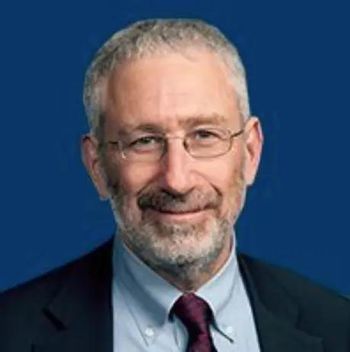
Defining the goals of a clinical team within a cancer program or oncology practice group, where the focus will be on maximizing QOL, may be difficult.
David A. Braun, MD, PhD, discusses the evolving treatment landscape of renal cell carcinoma.
The FDA has approved imetelstat (Rytelo) for select patients with myelodysplastic syndrome and transfusion-dependent anemia.
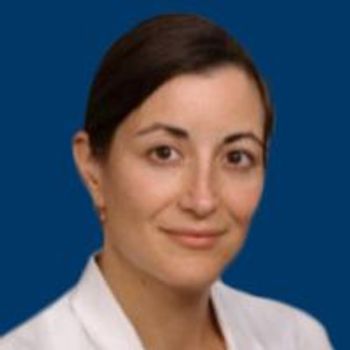
Mirvetuximab soravtansine led to an ORR of 51.9% in heavily pretreated patients with FRα-positive, platinum-sensitive ovarian cancer.

Teclistamab plus daratumumab and lenalidomide had a manageable safety profile in patients with transplant-ineligible, newly diagnosed multiple myeloma.
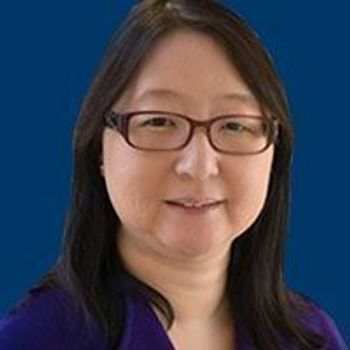
Eunice S. Wang, MD, discusses current unmet needs and efforts to move menin inhibitors into earlier lines of therapy in relapsed/refractory AML.
Florida Cancer Specialists & Research Institute, LLC announces the introduction of designated Disease SiteTeams for late-phase research & the subsequent formation of the FCS Disease Site Committee.
The combination of RP1 and nivolumab was safe and effective in patients with anti–PD-1-failed advanced melanoma.