

ChatGPT may provide comprehensive and correct answers to genetic counseling questions for patients with gynecologic cancers.
ChatGPT may provide comprehensive and correct answers to genetic counseling questions for patients with gynecologic cancers.
The Third Transatlantic Exchange in Oncology Conference will focus on liquid biopsy as an emerging approach in precision cancer medicine.
The FDA has accepted the resubmission of the BLA seeking the approval of denileukin diftitox-cxdl for relapsed/refractory cutaneous T-cell lymphoma.
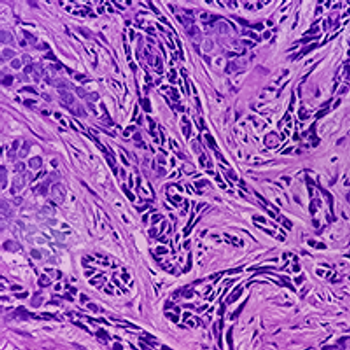
China’s NMPA has approved tunlametinib for the treatment of patients with NRAS-mutated advanced melanoma after prior anti–PD-1/PD-L1 therapy.

Grant winner Tyler Miller, MD, PhD, outlines innovative plans for glioma research.

Treatment with a next-generation CAR T-cell agent displayed early efficacy in a small group of patients with glioblastoma.
Black patients with endometrioid endometrial carcinoma experienced an increased risk of death and lower enrollment in clinical trials vs White patients.

Patients with perivascular epithelioid sarcoma of gynecologic or peritoneal origin experienced durable responses when treated with nab-sirolimus.

The activity of nab-sirolimus plus letrozole is under study in patients with advanced or recurrent endometrioid endometrial cancer.

Neoadjuvant tislelizumab in combination with chemotherapy was safe and produced responses in patients with locally advanced cervical cancer.

Mirvetuximab soravtansine improved health-related quality of life in patients with FRα-positive, platinum-resistant ovarian cancer.
Stereotactic ablative radiotherapy has shown clinical benefit in combination with immunotherapy in early-stage NSCLC, making it a viable treatment to consider.
Olaparib plus cediranib failed to improve PFS and OS vs chemotherapy in patients with platinum-resistant or -refractory epithelial ovarian cancer.

Dostarlimab plus carboplatin/paclitaxel improved overall survival vs placebo plus chemotherapy in primary advanced or recurrent endometrial cancer.
Quad Shot radiation plus a checkpoint inhibitor significantly improved local control vs Quad Shot alone and was well tolerated as a palliative treatment for patients with advanced head and neck cancer.
The addition of pembrolizumab to chemotherapy led to a favorable overall survival benefit vs chemotherapy plus placebo in endometrial cancer.
Social determinants of health were associated with geographical variations in the rates of cervical cancer in the United States.

Robert W. Mutter, MD, discusses the nuances of partial breast irradiation in early-stage breast cancer.
A post-hoc analysis showed dose escalation of radiation therapy was safe and elicited similar efficacy in intrahepatic cholangiocarcinoma.

Charles B. Simone II, MD, FASTRO, FACRO, discusses advanced radiation techniques that could reduce cardiac toxicities.
The FDA’s Oncologic Drugs Advisory Committee voted in favor of idecabtagene vicleucel for patients with early relapsed/refractory myeloma.

A case study of a patient with pre-B cell acute lymphoblastic leukemia showed helical tomotherapy with IMRT-based TBI is a viable option for organ sparing.

Hope S. Rugo, MD, draws on her own journey as a woman in oncology to provide insights on navigating career transitions and building support networks.
The FDA’s Oncologic Drugs Advisory Committee voted in favor of ciltacabtagene autoleucel for patients with early relapsed/refractory myeloma.

The KEYNOTE-A18 trial met its coprimary end point of improved OS with pembrolizumab plus concurrent chemoradiotherapy in high-risk cervical cancer.

Some head and neck cancers may respond to the drug olaparib or the combination of olaparib with decitabine.

Stephanie L. Graff, MD, shares her journey to becoming an oncologist, advice for work-life balance, and ways to confront gender bias in medicine.
The FDA has granted accelerated approval to lisocabtagene maraleucel for the treatment of select patients with relapsed/refractory CLL or SLL.
Nina Sanford, MD, discusses how radiation could help improve QOL for patients with rectal cancer and situations when radiation or surgery could be omitted.
Prolonged duration from neoadjuvant SCRT to surgery did not increase the risk of poor mesorectum specimen quality or post-operative morbidity in rectal cancer.