
The FDA has approved tislelizumab-jsgr (Tevimbra) for single-agent use in adult patients with unresectable or metastatic esophageal squamous cell carcinoma following prior systemic chemotherapy that did not include a PD-1/PD-L1 inhibitor.
The FDA has approved tislelizumab-jsgr (Tevimbra) for single-agent use in adult patients with unresectable or metastatic esophageal squamous cell carcinoma following prior systemic chemotherapy that did not include a PD-1/PD-L1 inhibitor.
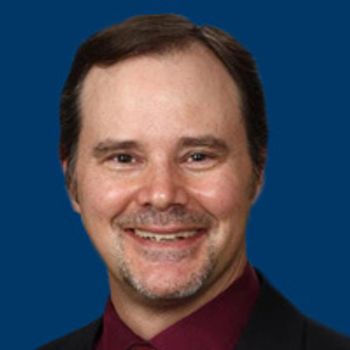
Paul D. Brown, MD, gives a history of prophylactic cranial irradiation in small cell lung cancer and describes its standing in the treatment paradigm.
The FDA’s Oncologic Drugs Advisory Committee voted in favor of imetelstat for select patients with lower-risk myelodysplastic syndrome.
A new drug application seeking the approval of Dato-DXd for pretreated HR-positive, HER2-negative advanced breast cancer has been filed in Japan.
Initial antitumor activity and safety data have been observed in the phase 1 portion of a phase 1/2a trial of IMM-1-104 in RAS-mutant solid tumors.

P-BCMA-ALLO1 has been granted orphan drug designation by the FDA for the treatment of patients with relapsed/refractory multiple myeloma.
A study sheds light on how immune genetics influence lung cancer risk, potentially paving the way for enhanced prevention strategies and screening.

Patients with relapsed/refractory chronic lymphocytic leukemia experienced long-lasting responses with venetoclax.
Higher sensitivity for CRC and advanced precancerous lesions, but lower specificity for advanced neoplasia, was seen with a next-generation stool DNA test vs a fecal immunochemical test.
Federico Cappuzzo, MD, discusses the clinical significance of the RATIONALE-315 trial of perioperative tislelizumab in non–small cell lung cancer.
First-line niraparib maintenance was not associated with worsened health-related quality of life outcomes vs placebo in advanced ovarian cancer.
The FDA has accepted a new drug application for ensartinib in metastatic ALK-positive non–small cell lung cancer.
A consequence of the Alabama Supreme Court’s in vitro fertilization ruling is an unacceptably high risk of infertility for patients with cancer.
The FDA has granted orphan drug designation to LYT-200 for the treatment of acute myeloid leukemia.
A CAR T-cell therapy directed toward 2 brain tumor–associated proteins displayed preliminary activity in recurrent glioblastoma.
We consider artificial intelligence hype vs reality, focusing on predictive modeling to answer medical questions about diagnosis, treatment choice, etc.
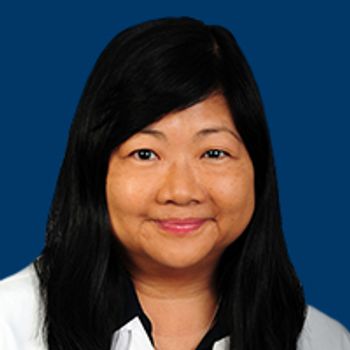
Elisabeth I. Heath, MD, FACP, discusses what makes NECTIN-4 an attractive target in drug development and the significance of the EV-302/KEYNOTE-A39 trial findings.
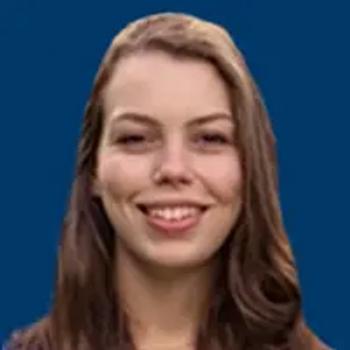
Francine Brinkhuis, MSc, and Lourens T. Bloem, PharmD, MSc, highlight findings from an analysis of the benefit and revenue for EU-approved oncology drugs.
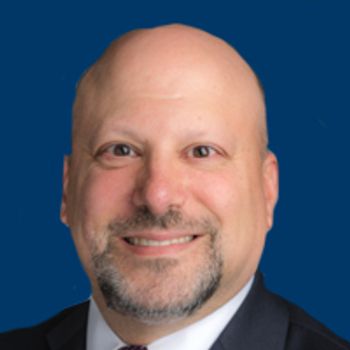
The TakeAim Leukemia trial aims to add emavusertib to the treatment paradigm of acute myeloid leukemia and high-risk myelodysplastic syndrome.
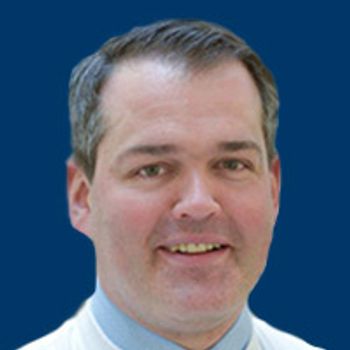
Sebastien Stintzing, MD, discusses a Q-TWiST analysis for fruquintinib vs placebo in pretreated metastatic colorectal cancer.
TNO155 plus spartalizumab or ribociclib was well tolerated and demonstrated disease control in patients with advanced solid tumors.
The University of Chicago Medicine treats patients with histotripsy, a technology that uses ultrasound energy to destroy liver tumors.
TERN-701 has received orphan drug designation from the FDA for the treatment of patients with chronic myeloid leukemia.
Brentuximab vedotin/lenalidomide/rituximab led to an OS improvement vs lenalidomide/rituximab/placebo in relapsed/refractory diffuse large B-cell lymphoma.
A high rate of disease control was seen with the novel MDM2 inhibitor APG-115-alrizomadlin in patients with p53 wild-type salivary gland cancer.
Andrea Porpiglia, MD, MSc, FACS, and Sanjay Reddy, MD, FACS describe what makes the Complex General Surgical Oncology Fellowship at Fox Chase unique.
Susan C. Modesitt, MD, FACOG, FACS, sheds light on the latest research with antibody-drug conjugates across gynecologic cancers.
A high proportion of patients with metastatic solid tumors experienced stable disease following treatment with the immunocytokine in the DODEKA trial.

Arndt Vogel, MD, discusses the importance of multidisciplinary tumor boards in navigating the treatment arsenal in advanced hepatocellular carcinoma.
Gautam Jha, MD, and Emmanuel Antonarakis, MD, discuss the ins and outs of clinical trial partnerships between community and academic cancer centers.