

The FDA has granted breakthrough therapy designation to NVL-520 for pretreated, metastatic ROS1-positive non–small cell lung cancer.
The FDA has granted breakthrough therapy designation to NVL-520 for pretreated, metastatic ROS1-positive non–small cell lung cancer.
The biologics license application for first-line tislelizumab plus chemotherapy for gastric/gastroesophageal junction cancer has been accepted by the FDA.

The FDA has granted priority review to the sBLA of epcoritamab for relapsed/refractory follicular lymphoma.

Press Release
Three Virginia health systems together will serve as one of eight groups in the U.S. to conduct research for the Cancer Screening Research Network.

Patients with mismatch repair–deficient, immunohistochemistry-intact colorectal cancer or endometrial cancer benefit from immune checkpoint inhibitors.

Daniel Olson, MD, discusses the significance of the FDA approval of lifileucel for patients with advanced melanoma.

Riccardo Lencioni, MD, discusses how TACE, durvalumab, and bevacizumab, could represent a new standard of care in embolization-eligible HCC.

Manish A. Shah, MD, discusses 5-year outcomes from phase 3 KEYNOTE-590 study of first-line pembrolizumab plus chemotherapy for advanced esophageal cancer.

In case you missed it, read a recap of every episode of OncLive On Air recorded in January 2024.

Press Release
McKesson has received approval from the CMS to participate in the Merit-based Incentive Payment System as a Qualified Clinical Data Registry.

The European Medicines Agency’s CHMP has recommended the approval of tislelizumab in the first- and second-line for non–small cell lung cancer.
BAY 2927088 has received breakthrough therapy designation by the FDA for pretreated non–small cell lung cancer harboring activating HER2 mutations.

Benjamin Philip Levy, MD, details how antibody-drug conjugates are shifting the HER2-mutated non–small cell lung cancer treatment paradigm.

Jacob Shreve, MD, MS, highlights the intersection between artificial intelligence and personalized medicine, as well as its potential utility in gastrointestinal cancers.
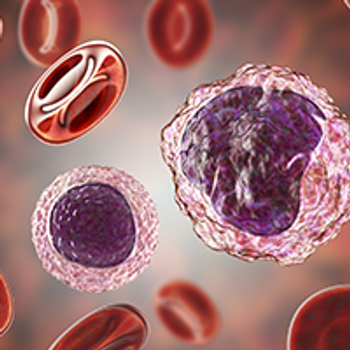
Real-world ruxolitinib use in chronic GVHD was primarily in the second- or third-line, lasted for a median of 8 months, and involved dose adjustments.

Encouraging data with RFS, OS, and NRM for Orca-T was also matched in a population of patients with hematologic cancers aged 55 years and older.

In a retrospective analysis, Orca-T improved survival rates vs PTCy in patients with hematologic malignancies receiving myeloablative conditioning.

The FDA has determined that sufficient criteria have been met to withdraw the approval for melphalan flufenamide in patients with multiple myeloma.

Belumosudil plus ruxolitinib elicited responses with acceptable tolerability in patients with chronic graft-vs-host disease.

Treatment with immune engager therapies following relapse on ide-cel resulted in better median PFS vs other therapies for patients with multiple myeloma.

Lisocabtagene maraleucel elicited durable responses in patients with relapsed/refractory chronic lymphocytic leukemia or small lymphocytic lymphoma.

Concomitant azoles did not negatively affect efficacy with ruxolitinib or best available therapy in patients with acute graft-versus-host disease.

Cilta-cel continues to elicit deep and durable responses in patients with early relapsed multiple myeloma, including those refractory to lenalidomide.
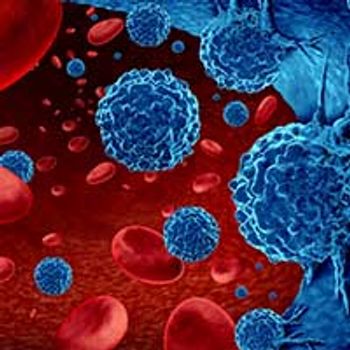
Ruxolitinib and belumosudil demonstrated a beneficial ORR, indicating synergistic effects in targeting multiple inflammatory pathways in chronic GVHD.

A cream formulation of ruxolitinib was deemed safe and effective compared with placebo in patients with cutaneous graft-versus-host disease.

A genetic mutation that makes cancer cells hardy can be engineered into T cells, giving them superhuman strength.

Pembrolizumab plus chemotherapy followed by adjuvant pembrolizumab has been recommended for approval in high-risk NSCLC by the EMA's CHMP.

Luspatercept has been recommended for approval by the EMA for patients with transfusion-dependent anemia and lower-risk myelodysplastic syndromes.

The Committee for Medicinal Products for Human Use has recommended the approval of cilta-cel for earlier-line relapsed/refractory multiple myeloma.

Early data seen with acalabrutinib plus axi-cel indicate the combination’s feasibility as bridging therapy in relapsed/refractory B-cell lymphoma.