
Press Release
Rutgers Cancer Institute of New Jersey has elevated 2 associate director functions to deputy director positions.
Press Release
Rutgers Cancer Institute of New Jersey has elevated 2 associate director functions to deputy director positions.
CAN-3110, an HSV-1 oncolytic viral immunotherapy candidate, has received FDA fast track designation for adult patients with recurrent high-grade glioma.

A new drug application for Dasynoc, a protein kinase inhibitor product candidate for patients with chronic myeloid leukemia, has been accepted by the FDA.
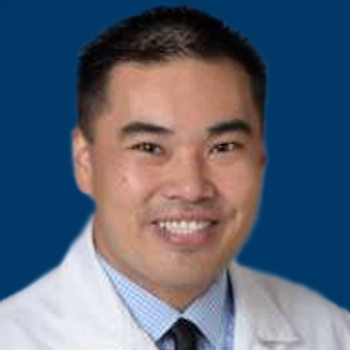
John Shen, MD, discusses the phase 1/2 APEX-01 trial of ARX517 in metastatic castration-resistant prostate cancer.
Adjuvant nivolumab significantly improved relapse-free survival vs ipilimumab in resected stage III/IV melanoma, according to 7-year minimum follow-up.

BXCL701 has been granted fast track designation for select patients with metastatic small cell neuroendocrine prostate cancer by the FDA.

Alice Mims, MD, discusses the toxicity profile and initial efficacy of emavusertib in heavily pretreated, FLT3-mutated relapsed/refractory AML.
Michael R. Bishop, MD, discusses the rationale for and key findings from the FELIX trial of obe-cel in B-cell acute lymphoblastic leukemia.
The NCCN has published the first set of treatment recommendations for neuroblastoma.
Press Release
Florida Cancer Specialists & Research Institute, LLC announces the appointments of Joel Grossman, MD and Maen Hussein, MD to its Executive Board.
AlphaMedix has received breakthrough therapy designation from the FDA for use in select patients with gastroenteropancreatic neuroendocrine tumors.

Reshma Jagsi, MD, DPhil, details advances from 2023 in breast cancer radiation oncology and interventions aimed at combating disparities within oncology.

R. Lor Randall, MD, FACS, explains the next steps in ensuring adherence to clinical care guidelines in extremity sarcoma.

Radiographic and clinical progression-free survival may be surrogates for overall survival in hormone-sensitive prostate cancer clinical trials.
Jane L. Meisel, MD, highlighted patient-reported gaps in provider communication regarding treatment-related toxicities in metastatic breast cancer.

Trabectedin did not offer a survival benefit vs chemotherapy in recurrent ovarian cancer with BRCA-mutated and/or BRCAness phenotype.
Soquelitinib has been granted an orphan drug designation by the FDA for potential use in T-cell lymphoma.

Apalutamide plus androgen deprivation therapy improved prostate-specific antigen progression-free survival in castration-sensitive prostate cancer.
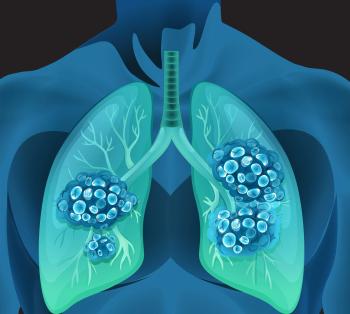
The EMA is evaluating a Type II extension of indication application for the approval of first-line amivantamab plus lazertinib in EGFR-mutated NSCLC.
Florida Cancer Specialists & Research Institute announces their intentions to explore a new distributor and group purchasing organization partnerships.

The foundation of physician recommendations and medical/regulatory policy will be guided by the outcomes of published clinical research.
NXC-201 has received orphan drug designation from the European Commission for use in patients with amyloid light-chain amyloidosis.

The phase 3 ENHANCE-3 study of magrolimab plus venetoclax/azacitidine vs venetoclax/azacitidine in select patients with AML has been terminated.

Amin Nassar, MD, and Elias Bou Farhat, MD, spotlight a study evaluating the accuracy and sensitivity of NGS mutation signature in assessing MMR status vs IHC testing.
Teclistamab produced responses in real-world patients with relapsed and refractory multiple myeloma and prior exposure to BCMA-targeted therapy.
Press Release
The Tulane Transplant Institute offers comprehensive disease management for patients with end-stage organ disease of the kidney, liver, and pancreas.

HPN328, was well tolerated and elicited responses in patients with neuroendocrine prostate cancer and other neuroendocrine neoplasms.

Dhruva explains how physicians reported a lack of understanding when it comes to the FDA approval process, especially regarding expedited approval pathways.

Hyperthermic intraperitoneal chemotherapy plus interval cytoreductive surgery improved progression-free survival in stage III epithelial ovarian cancer.

The NCCN Breast Cancer Panel has included goserelin at 2 dosing schedules as a method for ovarian function suppression in their updated guidelines.