Six weeks of preoperative oxaliplatin-fluoropyrimidine chemotherapy did not increase perioperative morbidity in patients with radiologically staged T3-4, N0-2, M0 colon cancer, according to findings from the international phase 2/3 FOxTROT trial.

Your AI-Trained Oncology Knowledge Connection!


Six weeks of preoperative oxaliplatin-fluoropyrimidine chemotherapy did not increase perioperative morbidity in patients with radiologically staged T3-4, N0-2, M0 colon cancer, according to findings from the international phase 2/3 FOxTROT trial.

The FDA has granted an orphan drug designation to BEA-17 for the treatment of patients with glioblastoma.

Atish D. Choudhury, MD, PhD, discussed the significance of these trials within the metastatic castration-resistant prostate cancer treatment landscape, highlighted investigative PARP inhibitor combinations, and emphasized the need for further research in this area to determine which patients are most likely to benefit from certain therapies based on their molecular profiles.

A three-drug combination that sent chronic lymphocytic leukemia into deep remissions in a broad group of patients in a clinical trial is highly effective in patients with high-risk forms of the disease, a new, phase 2 clinical trial led by Dana-Farber Cancer Institute investigators indicates.

A biologics license application seeking the approval of remestemcel-L has been resubmitted to the FDA for the treatment of pediatric patients with steroid-refractory, acute graft-vs-host-disease.

The treatment of patients with early-stage non–small cell lung cancer is rapidly evolving across the spectrum of care, particularly in the neoadjuvant setting, where evidence in favor of systemic chemoimmunotherapy regimens is growing.

Nicholas P. McAndrew, MD, MSCE, discusses the need for HER2-targeted TKIs specifically designed to penetrate the blood-brain barrier, updated clinical data on the safety and tolerability of DZD1516 monotherapy, and the implications of nonclinical data on DZD1516 for treating CNS metastases in HER2-positive breast cancer.

The FDA has granted orphan drug exclusivity to sodium thiosulfate injection, which is indicated to reduce the risk of platinum-induced ototoxicity in pediatric patients 1 month of age and older with localized, non-metastatic solid tumors.

Martin Dreyling, MD, discusses the safety and efficacy data from the TRIANGLE study done in patients with previously untreated MCL who are younger than 66 years, and the impact of these results on the use of ASCT in this population.

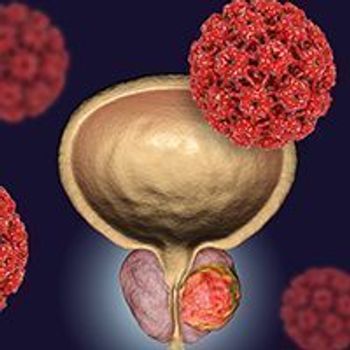
Basal cell carcinoma of the prostate is a rare variant of prostate cancer so uncommon that few physicians will ever treat the disease in their careers. Only 100 or so patients have been identified in the literature compared with more than 1 million diagnoses every year for adenocarcinoma.

Michael L. Wang, MD, discusses the efficacy of the noncovalent BTK inhibitor pirtobrutinib, as well as safety data from the phase 1/2 BRUIN trial in mantle cell lymphoma.

Henry Ford Health + Michigan State University Health Sciences announced its funding of 5 cancer research grants of up to $100,000 each. These 5 grants follow an initial wave of funding from the partnership, in which 18 pilot grants of up to $25,000 each were funded in May 2022.

Mitul Gandhi, MD, discusses the rationale of combining brentuximab vedotin, nivolumab, dacarbazine, and doxorubicin for patients with early-stage classic Hodgkin lymphoma, the key findings from part C of the SGN35-027 trial, and the next steps for investigating this combination.

Edward B. Garon, MD, MS, describes research combining angiogenesis and PD-1/PD-L1 inhibition stemming from the phase 3 IMpower150 trial in patients with metastatic nonsquamous NSCLC.

The FDA has granted a breakthrough therapy designation to pimicotinib for the treatment of patients with tenosynovial giant cell tumor who are not amenable for surgery.

Mridula George, MD, discusses the methods used to evaluate cardiotoxicity associated with adjuvant trastuzumab emtansine plus concurrent radiation therapy, and explains implications on the use of trastuzumab emtansine plus radiation in patients with early-stage HER2-positive breast cancer.

Nanvuranlat, a first-in-class LAT1 inhibitor, induced a statistically significant improvement in progression-free survival compared with placebo in patients with advanced, pretreated refractory biliary tract cancer.

In a new study, scientists at Dana-Farber Cancer Institute identify, for the first time, inherited genetic variations that place patients at high risk for these complications.

Ana Baramidze, MD, provides background on the FDA approvals of cemiplimab in NSCLC, expands on key efficacy and safety data with cemiplimab from EMPOWER-Lung 3, and discusses the current treatment landscape for patients with advanced NSCLC.

Jose Pablo Leone, MD, discusses the distinguishing features of male breast cancer, explains the benefits and limitations of current treatments, and emphasizes the importance of raising awareness about this breast cancer subset to propel further research.

Neoadjuvant pembrolizumab was found to have high clinical activity and an acceptable safety profile in patients with localized microsatellite instability–high/deficient mismatch repair solid tumors.

Shaji Kumar, MD, discusses the MAIA trial; key takeaways regarding the long-term safety and efficacy of daratumumab, lenalidomide, and dexamethasone, in transplant-ineligible patients with newly diagnosed multiple myeloma; and the implications of this research on clinical practice.

The combination of magrolimab, rituximab, gemcitabine, and oxaliplatin produced deep, durable responses in patients with relapsed or refractory diffuse large B-cell lymphoma.

The FDA has approved elacestrant (Orserdu) for the treatment of postmenopausal women or adult men with estrogen receptor–positive, HER2-negative, ESR1-mutated advanced or metastatic breast cancer with disease progression following at least 1 line of endocrine therapy.

The FDA has approved pirtobrutinib (Jaypirca) for the treatment of adult patients with relapsed or refractory mantle cell lymphoma following at least 2 lines of systemic therapy, including a BTK inhibitor.

Brian Schulte, MD, discusses the relevance of these mutations and an actively enrolling phase 2 PRECISION-1 basket trial investigating the efficacy of nab-sirolimus in solid tumors.

The evolving treatment landscape across breast cancer has escalated the need for the accuracy of sentinel lymph node biopsies following treatment with neoadjuvant chemotherapy to correctly inform subsequent treatment decisions for patients.

Henry Ford Health is the first healthcare provider in Michigan to offer Galleri®, GRAIL’s Multi-Cancer Early Detection blood test.

Ciltacabtagene autoleucel demonstrated a significant improvement in progression-free survival in patients with relapsed/lenalidomide-refractory multiple myeloma who received 1 to 3 prior lines of therapy.

Despite American Society of Clinical Oncology guidelines calling for introduction of palliative care early in the course of disease, these services remain underused.