

IK-175 was found to be well tolerated in patients with advanced solid tumors and to elicit responses in those with urothelial cancer when used alone or in combination with nivolumab, according to initial data from an ongoing phase 1a/b study.
IK-175 was found to be well tolerated in patients with advanced solid tumors and to elicit responses in those with urothelial cancer when used alone or in combination with nivolumab, according to initial data from an ongoing phase 1a/b study.
Both veliparib plus total neoadjuvant therapy and pembrolizumab plus total neoadjuvant therapy failed to improve short-term outcomes in unselected patients with locally advanced rectal cancer.

Third-line bevacizumab plus trifluridine/tipiracil demonstrated a survival and disease control benefit vs trifluridine/tipiracil alone in patients with refractory metastatic colorectal cancer and all clinically relevant subgroups.

Newer frontline therapies demonstrated a real-world improvement in survival and responses compared with sorafenib in patients with hepatocellular carcinoma.
The combination of SEA-CD40, gemcitabine, nab-paclitaxel, and pembrolizumab demonstrated early evidence of efficacy in patients with metastatic pancreatic ductal adenocarcinoma, according to updated results from the phase 1 SGNS40-001 study.
Treatment with or without bevacizumab added to atezolizumab plus cisplatin/gemcitabine demonstrated a modest clinical benefit for patients with advanced biliary tract cancer.

Tislelizumab monotherapy resulted in favorable health-related quality of life outcomes compared with sorafenib as frontline treatment for patients with unresectable hepatocellular carcinoma.
The addition of stereotactic body radiation therapy to sorafenib led to an improvement in overall survival, progression-free survival, and time to disease progression compared with sorafenib alone in patients with locally advanced, hepatocellular carcinoma.

The addition of nab-paclitaxel to gemcitabine and cisplatin did not result in a statistically significant improvement in overall survival over gemcitabine/cisplatin alone in patients with newly diagnosed, advanced biliary tract cancers.
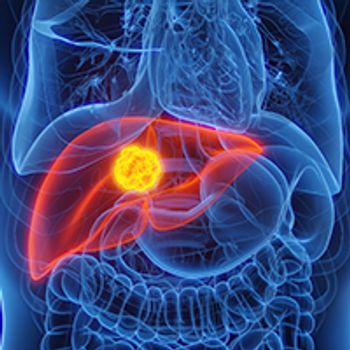
Blank-microsphere transarterial chemoembolization plus low-dose lenvatinib and sequential microwave ablation elicited responses and a tolerable safety profile in patients with large hepatocellular carcinoma.
The presence of anti-drug antibodies appeared to have no effect on efficacy or safety of durvalumab monotherapy or the STRIDE combination of durvalumab plus tremelimumab in patients with unresectable hepatocellular carcinoma.
The FDA has granted a fast track designation to EVX-01 in combination with pembrolizumab for the treatment of patients with metastatic melanoma.

Second-line lenvatinib may produce a survival benefit in patients with advanced hepatocellular carcinoma who have progressed on immunotherapy.
The FDA has granted an orphan drug designation to LNS8801 for the treatment of patients with metastatic cutaneous melanoma.

Press Release
Research conducted by UC Davis Comprehensive Cancer Center and the University of Cincinnati shows that direct oral anti-coagulant drugs are more effective and are more cost-effective than low molecular weight heparin for treating cancer-associated thrombosis.

Patients with HER2-overexpressing metastatic or advanced gastric/gastroesophageal junction adenocarcinoma treated with HER-Vaxx plus standard-of-care chemotherapy had a statistically significant survival benefit compared with those who received chemotherapy alone.

Frontline zolbetuximab plus mFOLFOX6 significantly improved progression-free and overall survival vs placebo/mFOLFOX6 in patients with CLDN18.2-positive, HER2-negative locally advanced unresectable or metastatic gastric/gastroesophageal junction adenocarcinoma, according to primary phase 3 data from the SPOTLIGHT trial.
Nivolumab in combination with chemotherapy or ipilimumab maintained a clinically meaningful overall survival benefit vs chemotherapy alone in patients with treatment-naïve advanced esophageal squamous cell carcinoma.
The combination of nivolumab (Opdivo) and chemotherapy continued to provide a clinically meaningful long-term survival benefit and deeper responses than chemotherapy alone in previously untreated patients with advanced gastric cancer, gastroesophageal junction cancer, and esophageal adenocarcinoma, according to 3-year follow-up data from the phase 3 CheckMate-649 trial.
Neoadjuvant treatment with the combination of tremelimumab and durvalumab produced responses and was well tolerated in patients with mismatch repair–deficient and microsatellite instability–high, Epstein-Barr virus–negative gastric or gastroesophageal junction adenocarcinoma.
The FDA has approved zanubrutinib for the treatment of patients with chronic lymphocytic leukemia or small lymphocytic lymphoma.
The FDA has granted accelerated approval to tucatinib in combination with trastuzumab for adult patients with RAS wild-type, HER2-positive unresectable or metastatic colorectal cancer that has progressed after treatment with fluoropyrimidine-, oxaliplatin-, and irinotecan-based chemotherapy.
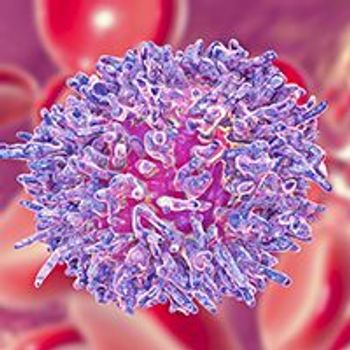
The Medicines and Healthcare Products Regulatory Agency has approved zanubrutinib in Great Britain for both the treatment of adult patients with chronic lymphocytic leukemia and the treatment of adult patients with marginal zone lymphoma who have received at least one prior anti-CD20–based therapy.

Adjuvant treatment with the combination of atezolizumab and bevacizumab demonstrated a statistically significant improvement in recurrence-free survival compared with active surveillance in patients with early-stage hepatocellular carcinoma at high risk of disease recurrence.

The Lewis Katz School of Medicine at Temple University and Fox Chase Cancer Center are pleased to announce the hiring of Lucia Borriello, PhD, as an assistant professor in the Department of Cancer and Cellular Biology at Temple.

The Signatera molecular residual disease test was able to detect patients with stage II to IV colorectal cancer who were at an increased risk for recurrence and predict which patients were most likely to benefit from adjuvant chemotherapy.

First-line ibrutinib plus prednisone did not improve response rates compared with placebo plus prednisone in patients with chronic graft-vs-host disease, failing to meet the primary end point of the phase 3 iNTEGRATE trial.

Carsten Niemann, MD, PhD, discusses the significance of new data from the GLOW trial, the potential relationship between treatment regimen, minimal residual disease status, and survival outcomes, and the importance of research into precision medicine approaches in chronic lymphocytic leukemia.
Tanios S. Bekaii-Saab, MD, FACP, expands on key data reported from the MOUNTAINEER trial, the potential effects of this regimen’s approval on the current treatment landscape, and the continued investigation of this and other targeted approaches in metastatic colorectal cancer.

With three years to go, C. Ola Landgren, MD, PhD, is on track to establish a “top three” U.S. myeloma program within five years, with the announcement of the new, dedicated Myeloma Research Institute within Sylvester Comprehensive Cancer Center.