Moderate hypofractionated intensity-modulated radiation therapy did not show biochemical and/or clinical disease failure rate superiority compared with conventionally fractioned IMRT for men with intermediate- and high-risk prostate adenocarcinoma.
Moderate hypofractionated intensity-modulated radiation therapy did not show biochemical and/or clinical disease failure rate superiority compared with conventionally fractioned IMRT for men with intermediate- and high-risk prostate adenocarcinoma.
The FDA has granted a Fast Track Designation to IPI-549 for use in combination with nivolumab for the treatment of patients with advanced urothelial cancer, according to Infinity Pharmaceuticals, Inc., the manufacturer of the PI3K-gamma inhibitor.
R. Lor Randall, MD, FACS, discusses the occurrence, treatment, and prevention methods of pathologic fractures in patients with soft tissue sarcomas.
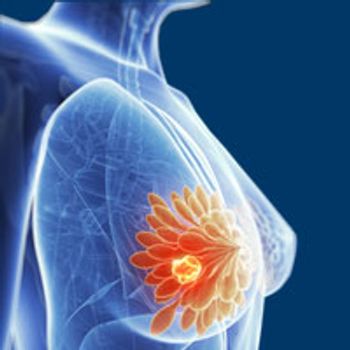
The Japanese Ministry of Health, Labor, and Welfare has approved trastuzumab deruxtecan for the treatment of patients with HER2-positive unresectable or recurrent breast cancer who have had prior chemotherapy.
Wolfgang Fendler, MD, highlights the potential impact 68Ga-PSMA-11 PET imaging may have on the treatment of patients with biochemically recurrent prostate cancer.

Tepotinib (Tepmetko) has been approved in Japan for the treatment of patients with non–small cell lung cancer harboring MET exon 14 skipping alterations.
Toni K. Choueiri, MD, highlights the changes he has observed in clinical practice amidst the COVID-19 pandemic and the unified approach being taken at Dana-Farber Cancer Institute.
Ruben Mesa, MD, discusses the latest advancements in the treatment paradigm for patients with myelofibrosis.
Hun Ju Lee, MD, discusses the implications of phase I results regarding the combination of carfilzomib and ibrutinib in relapsed/refractory mantle cell lymphoma.

Charu Aggarwal, MD, MPH, discusses the design and findings of an analysis examining the role of TMB as a predictive biomarker for pembrolizumab-based therapy in NSCLC.
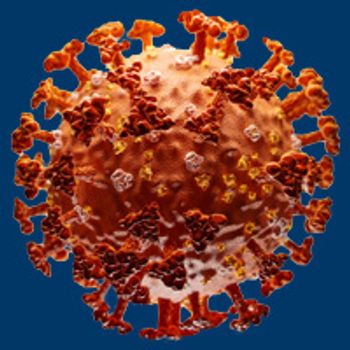
Due to COVID-19, the ASCO Annual Meeting will now occur using a virtual format.

OncLive, in conjunction with The Ruesch Center for the Cure of Gastrointestinal Cancers, honored five individuals with a 2020 Luminary Award in Gastrointestinal Cancers for their commitment to the gastrointestinal cancer community.
Gregory A. Otterson, MD, discusses the utility of immunotherapy in squamous non–small cell lung cancer and targeted the evolution of targeted therapy in biomarker-driven disease.
The FDA has approved a 420-mg multidose vial of the biosimilar trastuzumab-dttb (SB3; Ontruzant).

Thomas G. Martin, MD, discusses the risk of COVID-19 to patients with cancer and precautionary measures implemented by the the University of California San Francisco Helen Diller Family Comprehensive Cancer Center.
Reid W. Merryman, MD, discusses the impact of adding high-dose cytarabine to bendamustine and rituximab as an induction regimen for patients with mantle cell lymphoma.

Hui-Zi Chen, MD, PhD, discusses the use of immunotherapy in ES-SCLC and the work being done to identify mechanisms of resistance to frontline therapy.
The FDA has approved the initiation of a double-blind, randomized phase III clinical trial of the oncology supportive care drug tocilizumab for use in combination with standard of care for the treatment of hospitalized adult patients with severe COVID-19 pneumonia.

Venetoclax combined with azacitidine improved overall survival versus azacitidine alone in patients with previously untreated acute myeloid leukemia.
Erin M. Bertino, MD, discusses the current treatment landscape and next steps in the EGFR-mutant NSCLC paradigm.
Experts from ASCO detail the organization's response to the COVID-19 crisis and resources available for its members.

Terence M. Williams, MD, PhD, discusses the impact of the PACIFIC trial on stage III NSCLC and how the hunt for prognostic biomarkers is underway across the lung cancer paradigm.

Balazs Halmos, MD, MA, discusses the advances that have been made in the treatment of patients with metastatic non–small cell lung cancer, ongoing biomarker research, and the importance of molecular testing.

Himisha Beltran, MD, discusses research evaluating cell-free DNA to identify therapy resistance in prostate cancer.
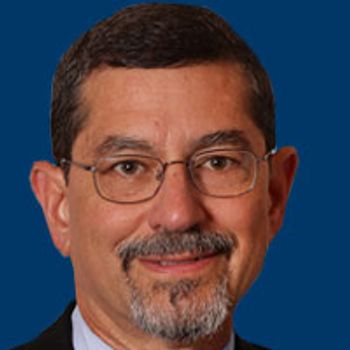
David P. Carbone, MD, PhD, discusses advances in immunotherapy and targeted therapy in non–small cell lung cancer and ongoing research efforts focused on acquired resistance to available therapies.
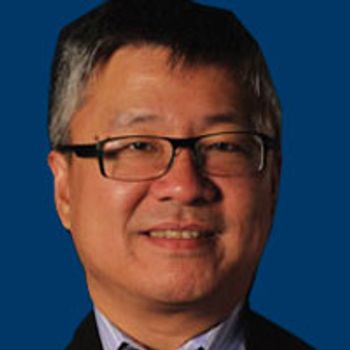
William K. Oh, MD, discusses sequencing challenges in prostate cancer, biomarker development, and the impact of the PRINT trial.

The need to establish preventive procedures that keep pace with the rapid evolution of coronavirus 2019 presents numerous challenges for the oncology field as institutions adapt standard treatment protocols to minimize the risk for virus spread among clinicians and patients alike.
Tocilizumab, a treatment used for adverse events related to cancer therapy, among other indications, is being explored in a phase III trial as a treatment for adult patients hospitalized with severe COVID-19 pneumonia, according to Genentech (Roche), the manufacturer of the interleukin-6 receptor antagonist.
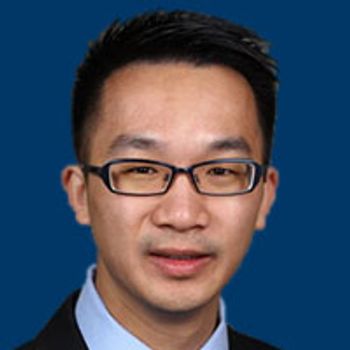
Terence T. Sio, MD, MS, discusses the utility of proton therapy in lung cancer.

Olaparib has received an orphan drug designation in Japan for the maintenance treatment of germline BRCA-mutated curatively unresectable pancreatic cancer.