The combination of nanoparticle albumin-bound-paclitaxel and gemcitabine led to no new or unexpected adverse events in a small study of patients with locally advanced pancreatic cancer.

Your AI-Trained Oncology Knowledge Connection!
The combination of nanoparticle albumin-bound-paclitaxel and gemcitabine led to no new or unexpected adverse events in a small study of patients with locally advanced pancreatic cancer.
Douglas A. Levine, MD, discussed the relationship between EMSY and BRCA, the potential to target EMSY amplified tumors with PARP inhibitors, and the future of ovarian cancer treatment.

Jonathan Strosberg, MD, discusses the latest results from the NETTER-1 trial in midgut neuroendocrine tumors.

Gregory T. Wolf, MD, discusses a novel approach to treating patients with advanced laryngeal cancer.
Markus Albertsmeier, MD, discusses the results of the meta-analysis and the implications going forward for the treatment of patients with soft tissue sarcoma.

Rovalpituzumab tesirine demonstrated encouraging single-agent antitumor activity with a manageable safety profile in the treatment of patients with recurrent small cell lung cancer.

After demonstrating early success in acute lymphoblastic leukemia, CAR T-cell therapies are now expanding into all areas of hematologic malignancies, including non-Hodgkin lymphoma.

A recent study published in the Journal of Clinical Oncology has found that Philadelphia chromosome-like acute lymphoblastic leukemia (ALL) accounts for over 20% of all adult patients with ALL and is correlated with poor outcomes.
Intentional weight loss in postmenopausal women has been found to be associated with a lower endometrial cancer risk, particularly among those with obesity, according to the results of a recent study published in the Journal of Clinical Oncology.
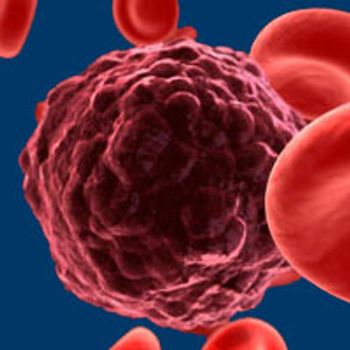
Treatment with concurrent ibrutinib improves expansion of chimeric antigen receptor T-cells and could subsequently improve response in patients with chronic lymphocytic leukemia, according to a study presented during the 2017 ASH Annual Meeting.

A study presented at the 2016 ASH Annual Meeting identified potential biomarkers of response to anti-CD19 CAR T-cell treatment in patients diagnosed with chronic lymphocytic leukemia.

Theodore H. Welling, III, MD, will lead a new state-of-the-art liver cancer program at NYU Langone to advance clinical care and accelerate the translation of lab breakthroughs into superior treatments.
NYU Langone Medical Center has announced that internationally recognized surgeon and scientist Diane M. Simeone, MD, will join its Perlmutter Cancer Center on March 1 to serve as associate director for translational research and to lead its newly established pancreatic cancer center.
In a new study, Yale Cancer Center researchers identified a novel genetic defect that prevents brain tumor cells from repairing damaged DNA.

The addition of ADI-PEG 20, a pegylated form of an arginine-depleting enzyme, to nab-paclitaxel and gemcitabine showed encouraging activity and minimal additional toxicity in the treatment of patients with advanced pancreatic adenocarcinoma.

High breast density surpasses other known risk factors for developing breast cancer, including family history of the disease, personal history of benign lesions, and later-in-life childbirth, according to the results of a study published in JAMA Oncology.
Researchers at the University of Wisconsin School of Medicine and Public Health have found that removing a specific type of collagen can dramatically reduce the growth of one form of breast cancer.
In a large-scale study published today in the journal Obstetrics and Gynecology, researchers found that nearly half of women from racial minorities receive cervical-cancer care that doesn’t meet national standards.
The Wistar Institute, an international biomedical research leader in cancer, immunology, infectious diseases, and vaccines, announces the appointment of Joseph M. Salvino, PhD, as professor in the Molecular and Cellular Oncogenesis Program and Scientific Director of the Institute’s Molecular Screening Facility.
Michael J. Overman, MD, discusses the significance of the ongoing CheckMate-142 study and the next steps in microsatellite instability-high metastatic colorectal cancer.
The findings from the phase II study of intermittent sunitinib in patients with previously untreated metastatic renal cell carcinoma demonstrate that periodic extended sunitinib treatment breaks are feasible and the clinical efficacy does not seem to be compromised.

Anne Rositch, PhD, discusses important takeaways from her study on hysterectomy-corrected mortality rates in cervical cancer and the significance of cervical cancer screening.

Patients with metastatic pancreatic ductal adenocarcinoma lived longer and had slowing of disease progression when nanoliposomal irinotecan was added to 5-fluorouracil and leucovorin, irrespective of treatment history, a posthoc analysis of a randomized trial showed.
Patients with microsatellite-high metastatic colorectal cancer responded to an immunotherapy-containing regimen, according to results of a preliminary clinical evaluation presented at the 2017 Gastrointestinal Cancers Symposium.
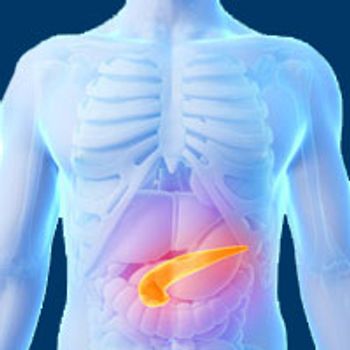
Few phase II trials in advanced pancreatic cancer conformed to recommended design characteristics for pilot trials, a contributing factor to lack of success in the disease, Australian investigators reported.
Harold H. Tara, Jr., MD, has been appointed Medical Director of the Smilow Cancer Hospital Care Centers in Trumbull and Fairfield, Connecticut. Dr. Tara has been a member of the Yale community for 20 years and his leadership will ensure that the centers continue to offer patients the best care available, along with the latest treatment options through clinical trials.

As many as one-third of patients with treatment-resistant colorectal cancer attained objective responses with the stemness inhibitor napabucasin plus FOLFIRI chemotherapy with or without bevacizumab, according to evaluable results of a study presented at the 2017 Gastrointestinal Cancers Symposium.

An immunohistochemistry analysis of a large patient population demonstrated that several subtypes of difficult-to-treat sarcomas may respond to treatment with PD-1 pathway inhibiting immunotherapies, according to findings presented at the 2017 European Cancer Congress in Amsterdam.

The addition of hormonal therapy to radiation treatment following surgery significantly improved survival in patients with recurrent prostate cancer, according to the results of a study published in The New England Journal of Medicine.

Joyce A. O’Shaughnessy, MD, addresses the key issues in breast cancer discussed at the 2017 OncLive® State of the Science Summit on Treatment of Metastatic Breast Cancer and shared her expert insight on where triple-negative breast cancer treatment is headed based on recent findings.