

A rolling new drug application has been completed for larotrectinib (LOXO-101) for the treatment of adult and pediatric patients with locally advanced or metastatic solid tumors harboring an NTRK gene fusion.
A rolling new drug application has been completed for larotrectinib (LOXO-101) for the treatment of adult and pediatric patients with locally advanced or metastatic solid tumors harboring an NTRK gene fusion.
The European Medicines Agency’s Committee for Medicinal Products for Human Use has recommended adding the option of a 4-week dosing schedule to the label for nivolumab for the treatment of patients with advanced melanoma and previously treated renal cell carcinoma (RCC).
The FDA has granted enfortumab vedotin a breakthrough therapy designation for patients with locally advanced or metastatic urothelial cancer who previously received immune checkpoint therapy.

Treatment with the combination of atezolizumab, bevacizumab, carboplatin, and paclitaxel significantly improved overall survival compared with bevacizumab and chemotherapy alone for patients with advanced nonsquamous non–small cell lung cancer.
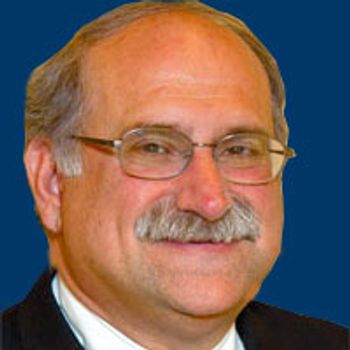
Leonard G. Gomella, MD, shares his insight on this year's expected advances in the field of prostate cancer.

Chad Pecot, MD, discusses the rapidly growing area of combination immunotherapy in non–small cell lung cancer.

Hyman B Muss, MD, a 2017 Giants of Cancer Care® award winner is a pioneer in the treatment of older patients with cancer.
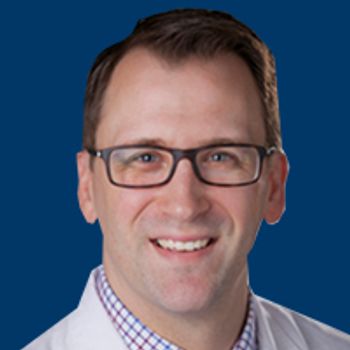
Jeffrey Melson Clarke, MD, discusses the latest developments with biomarkers in NSCLC.

The European Medicines Agency’s Committee for Medicinal Products for Human Use has adopted a positive opinion for the marketing authorization of ABP 980, a biosimilar to trastuzumab.

Chloe E. Atreya, MD, PhD, discusses the latest treatment advances in mCRC, including tumor sidedness and emerging immunotherapy strategies.

Tiffany A. Traina, MD, discussed the potential for PARP inhibitors, as well as immunotherapy and antibody-drug conjugates, for the treatment of patients with triple-negative breast cancer.

James Luke Godwin, MD, recaps recent advancements in frontline metastatic castration-sensitive prostate cancer and highlights emerging agents with potential in this space.
Japan’s Pharmaceuticals and Medical Devices Agency has approved lenvatinib mesylate for the frontline treatment of patients with unresectable hepatocellular carcinoma.

Rovalpituzumab Tesirine (Rova-T) delivered disappointing preliminary results in the third-line setting for patients with relapsed/refractory small cell lung cancer with high DLL3 expression.
Ponatinib maintained deep, durable responses in heavily pretreated patients with chronic-phase chronic myeloid leukemia (CP-CML).
The regimen of venetoclax (Venclexta) plus rituximab (Rituxan) lowered the risk of disease progression or death by 83% versus bendamustine (Treanda) plus rituximab in patients with relapsed or refractory chronic lymphocytic leukemia.
The FDA has approved nilotinib for the first- and second-line treatment of pediatric patients aged 1 year and older with Philadelphia chromosome–positive chronic myeloid leukemia in the chronic phase.
Renier J. Brentjens, MD, PhD, discusses the emergence of BCMA as a target for CAR T-cell therapy and other next steps for the field.
Andre Goy, MD, discusses the excitement surrounding acalabrutinib, as well as emerging ibrutinib combination strategies for the treatment of patients with mantle cell lymphoma.

Eric A. Collisson, MD, discusses ongoing efforts to advance precision medicine in GI malignancies to improve the standard of care.

Research suggests that many cases of DCIS have a low risk for progression and may not require surgical excision and radiation therapy.
John Gordan, MD, PhD, discusses the challenges of treating patients with biliary tract cancers and novel therapies in development.

Although much remains unknown about many mutations and test results rarely clarify the need for any particular response, panel testing has already demonstrated its cost value, which continues to increase every day.
A pair of trials that used checkpoint inhibitors as monotherapy reported lackluster overall response rates in breast cancer.
Adam Brufsky, MD, PhD, comments the FDA approval of MYL-1401O and discusses the adoption of biosimilars in oncology.
The NCCN has added the combination of TTFields (Optune) and temozolomide (Temodar) to its guidelines for Category 1 treatment of newly diagnosed glioblastoma following maximal safe resection and completion of radiation therapy.
Neil E. Kay, MD, discusses the available options and sequencing challenges for patients with relapsed/refractory chronic lymphocytic leukemia, as well as next steps for advancing outcomes for this patient population.
The FDA has approved brentuximab vedotin for use in combination with chemotherapy as a frontline treatment for adult patients with stage III or IV classical Hodgkin lymphoma.
Ann H. Klopp, MD, PhD, discusses optimizing the use of chemoradiation and the future of the treatment landscape in endometrial cancer.
Sunil Verma, MD, shares his insight on the approval of MYL-1401O, as well as his excitement for the future development of biosimilars across oncology.