
2017 San Antonio Breast Cancer Symposium Review - February 23
2017 San Antonio Breast Cancer Symposium Review - February 23
Breakthrough gene therapy for B-cell lymphoma now available at Hackensack University Medical Center.
Chief innovations officer at Hackensack Meridian Health Recognized for Vision, Innovation and Leadership.

David C. Portnoy, MD, discusses emerging developments with targeted agents in lung cancer.
Hackensack Meridian Health Hackensack University Medical Center is proud to announce that April Camiling, MSN, RN, AOCNS, BMTCN, oncology nurse specialist in Blood and Marrow Transplant (BMT) at John Theurer Cancer Center - Hackensack University Medical Center, has been recognized by Modern Healthcare as a Rising Star recipient in the 2018 Excellence in Nursing Award program.
Cancer specialists will collaborate on treatment plans and expanding patient access.
Lenvatinib mesylate (Lenvima) will be developed and commercialized in a collaboration between its creator, Japan’s Eisai Co. Ltd, and Merck.
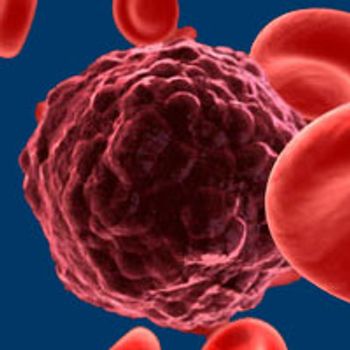
Fostamatinib resulted in clinically meaningful, ongoing platelet responses and a low rate of bleeding events in 43% of patients with chronic immune thrombocytopenic purpura with long-disease duration.
Robert A. Figlin, MD, discusses the expanding RCC armamentarium and balancing the benefits and risks of standard and emerging treatments to achieve optimal outcomes.
Nichon L. Grupka, MD, discusses advances in hematopathology, specifically mutations as prognostic indicators, disease-associated versus disease-causing mutations, and advice for physicians who are working to navigate the field.

Blinatumomab (Blincyto) received an 8 to 4 vote from the FDA’s Oncologic Drugs Advisory Committee in favor of an indication for the treatment of MRD-positive B-cell precursor acute lymphoblastic leukemia.

Alan H. Bryce, MD, discusses emerging agents and next steps in the treatment of patients with in nonmetastatic prostate cancer.
Mark Tyson, MD, discusses the management of localized advanced bladder cancer, the promise of immunotherapy, and his advice for urologists treating patients with bladder cancer.
Investigators found no statistically significant difference in survival between radical prostatectomy alone and external beam radiotherapy plus brachytherapy with or without ADT after adjusting for imbalances in prostate cancer prognostic factors.
IKZF1 deletions that co-occurred with deletions in CDKN2A, CDKN2B, PAX5, or PAR1 in the absence of ERG deletion (IKZF1plus) were associated with a dramatically reduced prognosis in pediatric patients with B-cell precursor ALL.
Erik P. Castle, MD, discusses the importance of risk stratifying low- and intermediate-risk localized prostate cancers.
Ian W. Flinn, MD, PhD, discusses the impact of CAR T-cell therapy on the field of lymphoma and highlighted emerging options for the treatment of patients with MCL.
Lee Schwartzberg, MD, discusses the importance of next-generation sequencing and the state of biomarker development in the management of patients with NSCLC.

The FDA has approved a supplemental biologics license application adding a 4-week dosing schedule for nivolumab across several of the PD-1 inhibitor’s indications.
Thai H. Ho, MD, PhD, discusses treatment advances in first-line RCC and how biomarker development and optimal sequencing are critical next steps to building on recent breakthroughs.
Julie Graff, MD, shares her insight on pivotal trials exploring abiraterone acetate (Zytiga) and docetaxel in this in patients with castration-sensitive prostate cancer.
Alexander Perl, MD, discusses the implementation of CAR T-cell therapy in ALL and other advances with this unique treatment across the spectrum of hematologic malignancies.

William Donnellan, MD, discusses recent FDA approvals for the treatment of patients with AML and ALL, and highlighted emerging agents in the pipeline.
Patients with stage III colon cancer who ate at least 2 servings of nuts per week had superior disease-free survival and overall survival.

Matthew S. Davids, MD, discusses the key results of ibrutinib (Imbruvica) with standard frontline chemoimmunotherapy in CLL.
A blood test that detects early changes in circulating tumor DNA may provide an earlier indication of whether patients with hormone receptor–positive, HER2-negative breast cancer are responding to palbociclib (Ibrance).
David R. Spigel, MD, discusses the status of immunotherapy in locally advanced NSCLC and highlights recent milestones.
Jesus Berdeja, MD, provides an update on practice-changing data for the treatment of patients with multiple myeloma.
Benjamin P. Levy, MD, highlights trials that continue to shape the treatment landscape for patients with lung cancer.
Alterations in DNA damage response and repair genes were associated with an increased response to anti-PD-1/PD-L1 antibodies in patients with metastatic urothelial carcinoma.