
The FDA has granted a priority review to a supplemental biologics license application for frontline pembrolizumab for use in combination with standard chemotherapy for patients with metastatic nonsquamous non–small cell lung cancer.
The FDA has granted a priority review to a supplemental biologics license application for frontline pembrolizumab for use in combination with standard chemotherapy for patients with metastatic nonsquamous non–small cell lung cancer.

OncLive® is proud to announce the inductees of the 2018 Giants of Cancer Care® recognition program.
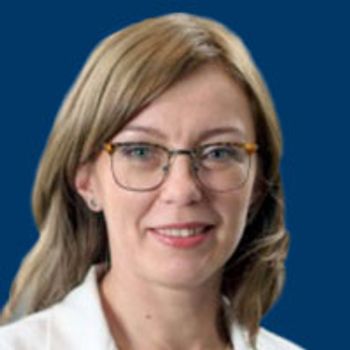
Carboxyamidotriazole orotate in combination with temozolomide, with or without radiotherapy, produced positive safety and efficacy results in a phase Ib study of patients with glioblastoma or anaplastic gliomas.

The European Medicines Agency’s Committee for Medicinal Products for Human Use has recommended approval of osimertinib as a first-line treatment for patients with non–small cell lung cancer (NSCLC) whose tumors harbor activating EGFR mutations.
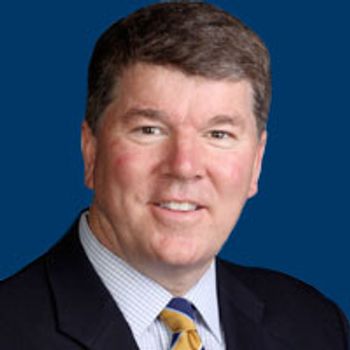
Keith Stewart, MB, ChB, discusses the role of stem cell transplant, minimal residual disease testing, and maintenance therapy in the treatment of patients with multiple myeloma.

Charles M. Rudin, MD, PhD, discusses ongoing developments with immunotherapy in patients with non–small cell lung cancer.
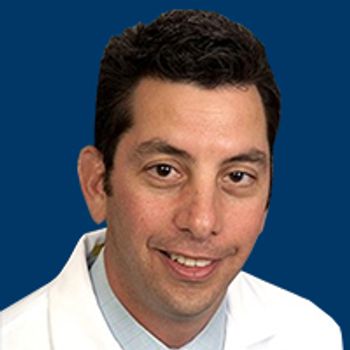
Michael Rosenzweig, MD, discusses emerging treatment options for patients with immunoglobulin light chain amyloidosis such as daratumumab and NEOD001.

Gary H. Lyman, MD, FASCO, discusses ASCO's statement outlining the organization’s commitment to education and guidance regarding the use of biosimilars in the treatment of patients with cancer.

Maung Myo Htut, MD, discusses the use of CAR T-cell therapy in multiple myeloma and the potential infusion of immunotherapy into treatment.
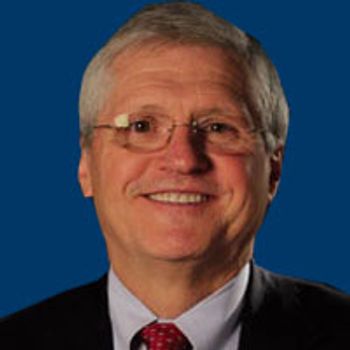
Mark G. Kris, MD, discusses the continued significance of chemotherapy in patients with NSCLC in the era of targeted agents and immunotherapy.

Nitya Nathwani, MD, highlights current treatment options for transplant-ineligible multiple myeloma, as well as combinations on the horizon.

Reshma L. Mahtani, DO, discusses the use of adjuvant endocrine therapy in premenopausal breast cancers, specifically the use of ovarian function suppression and GnRH agonists.
The European Commission has approved 2 new dosing schedules for nivolumab across several tumor types.

Everolimus demonstrated strong potential as an effective tool for overcoming endocrine resistance in postmenopausal women with ER-positive, HER2-negative metastatic breast cancer resistant to AI therapy.
Robert L. Ferris, MD, PhD, discusses the implications of the updated findings from the phase III CheckMate-141 trial in squamous cell carcinoma of the head and neck.

The European Commission has approved the antibody-drug conjugate gemtuzumab ozogamicin (Mylotarg) for use in combination with daunorubicin and cytarabine for the treatment of patients aged 15 years and older with newly diagnosed, CD33-positive acute myeloid leukemia, except acute promyelocytic leukemia.

Paul A. Hamlin, MD, discusses exciting updates from the 2017 ASH Annual Meeting throughout the large cell lymphoma space, as well as other advances on the horizon.
Hung T. Khong, MD, discusses the benefits of neoadjuvant endocrine therapy and addresses the use of adjuvant endocrine therapy in ER-positive breast cancer.

Michael J. Mauro, MD, discusses updates presented at the 2017 ASH Annual Meeting and the advances that are on the horizon for patients with chronic myeloid leukemia.

Sara A. Hurvitz, MD, discusses the development of biosimilars and their potential use in the breast cancer field.
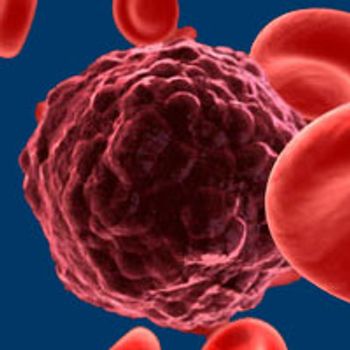
A new drug application has been filed with the FDA for gilteritinib for the treatment of adult patients with FLT3 mutation–positive relapsed or refractory acute myeloid leukemia.
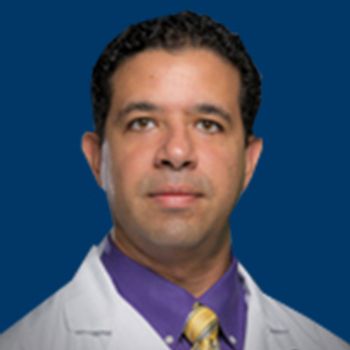
Hatem Soliman, MD, discusses the potential role of immunotherapy in triple-negative breast cancer.

Dual immune checkpoint blockade with durvalumab (Imfinzi) and tremelimumab did not induce a statistically significant improvement in overall survival in heavily pretreated patients with locally-advanced or metastatic NSCLC.

Niraparib (Zejula) met the primary endpoint of overall response as a fourth-line or later treatment in patients with ovarian cancer, regardless of BRCA status, according to top-line results from the QUADRA study.

The FDA has halted enrollment on clinical trials of tazemetostat in patients with various solid tumors and hematologic malignancies.

A novel risk stratification and treatment approach led to enhanced clinical outcomes overall, as well as the successful omission of radiotherapy for some patients with stage IV favorable histology Wilms tumor and pulmonary metastases.

Alexander Drilon, MD, discusses genomic drivers in non–small cell lung cancer as well as the current treatment options for patients who harbor those mutations.

Frederick L. Locke, MD, discusses the ongoing ZUMA-2 trial investigating axi-cel for patients with mantle cell lymphoma.
Citing the need for additional technical information, the FDA has issued a complete response letter to Pfizer regarding a biologics license application for the trastuzumab (Herceptin) biosimilar PF-05280014.

City of Hope is currently the only institution in Southern California to offer both FDA-approved CAR T-cell therapies.