

Frederick L. Locke, MD, discusses the ZUMA-1 trial in non-Hodgkin lymphoma and the next steps going forward.
Frederick L. Locke, MD, discusses the ZUMA-1 trial in non-Hodgkin lymphoma and the next steps going forward.

A set of draft recommendations for controlling price escalation in the Medicare Part B program has ignited fresh concern from the oncology community, which battled last year to overcome the Medicare Part B Drug Payment Model cost reduction experiment.
The US Preventive Services Task Force may move away from its long-standing opposition to routine PSA screening for prostate cancer in some men.
Patients with stage III or IV melanoma assigned to 10 mg/kg ipilimumab (Yervoy) lived longer than patients assigned to a lower dose of the anti-CTLA-4 anticlonal antibody, but at the cost of greater toxicity.

Heather Dalton, MD, discusses the first-line treatment options currently available for patients with ovarian cancer, pivotal data that have solidified standard approaches, and why chemotherapy will likely always remain critical in the ovarian cancer sphere.

Manish Shah, MD, discusses ongoing efforts to understand the distinction between early-onset CRC and traditional CRC.

According to findings from a single-arm phase II trial, treatment with the PD-1 inhibitor nivolumab (Opdivo) resulted in an overall response rate of 24.3% in previously treated patients with squamous cell carcinoma of the anal canal.

According to results from the PAMELA trial, women with the HER2-enriched subtype of early-stage, HER2-positive breast cancer were more likely to have a pathological complete response when treated with dual HER2-blockade.
Shana Wingo, MD, explains how surgical approaches have evolved in ovarian cancer.

Alectinib reduced the risk of disease progression or death compared with crizotinib as a frontline treatment for patients with ALK-positive non–small cell lung cancer, according to findings from the phase III ALEX trial.

Rekha Rao, PhD, discusses targeting p97 in mantle cell lymphoma.
Pembrolizumab has shown durable, clinically significant responses in patients with locally advanced head and neck cancer who are refractory to platinum-based chemotherapy and cetuximab, according to results from the single-arm, phase II KEYNOTE-055 study.

Padmanee Sharma, MD, PhD, discusses the significance of the VISTA immune-checkpoint pathway in prostate cancer, and her proposed novel immunotherapy approach for patients with these tumors.
Alfred L. Garfall, MD, discusses the latest developments with CAR T-cell therapy in hematologic malignancies

A supplemental biologics license application has been submitted to the FDA for the use of denosumab for the prevention of skeletal-related events in patients with multiple myeloma.

David M. Nanus, MD, discusses evolving therapeutic strategies in the neoadjuvant and adjuvant setting for patients with renal cell carcinoma.

Celestia Higano, MD, discusses the early use of chemotherapy, the potential for PARP inhibitors, and the evolving role of radium-223 in prostate cancer.

Leena Gandhi, MD, PhD, discusses emerging developments in the first-line treatment for patients with ALK-positive NSCLC, as well as novel agents emerging in the field.

According to results from the phase II CHRONOS-1 trial, a majority of patients with relapsed or refractory indolent lymphoma responded to treatment with the PI3K dual-isoform inhibitor copanlisib.
The FDA has accepted a supplemental new drug application for ibrutinib as a treatment for patients with chronic graft-versus-host-disease after failure of 1 or more lines of systemic therapy.
The flexibility of CAR T cells to perform multiple functions was associated with the level of clinical activity elicited for patients with advanced non-Hodgkin’s lymphoma, according to a retrospective analysis presented at the 2017 AACR Annual Meeting.
In findings from the phase III ALUR trial, alectinib significantly improved progression-free survival compared with chemotherapy in patients with ALK-positive non-small cell lung cancer who had progressed following treatment with platinum-based chemotherapy and crizotinib (Xalkori).
The European Union (EU) approved the combination of dabrafenib and trametinib for patients with BRAF V600-positive advanced or metastatic non–small cell lung cancer.
Shitanshu Uppal, MD, discusses the critical challenges to research and treatment advances in cervical and endometrial cancer.
Ursula A. Matulonis, MD, discusses the latest regulatory advances with PARP inhibitors and their continued growth in the treatment of patients with ovarian cancer.
A biologics license application has been submitted for axicabtagene ciloleucel as a potential treatment for transplant ineligible patients with relapsed or refractory aggressive non-Hodgkin lymphoma.
The FDA has granted a full approval to palbociclib (Ibrance) for use in combination with letrozole as a frontline treatment for postmenopausal women with ER-positive, HER2-negative metastatic breast cancer.

Jamie E. Chaft, MD, discusses the effectiveness of osimertinib (Tagrisso) and what the future holds for patients with EGFR-mutant non-small cell lung cancer.

Sara A. Hurvitz, MD, discussed the use of anthracycline regimens in breast cancer during a talk at the 2017 Miami Breast Cancer Conference.
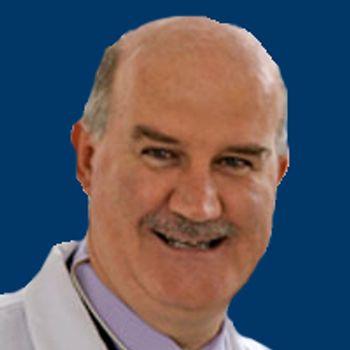
David I. Quinn, PhD, MBBS, discusses the latest advances with targeted agents in renal cell caricinoma, including combination regimens with checkpoint inhibitors.