

BTK inhibitors were associated with lower health care resource utilization vs other regimens in mantle cell lymphoma.
BTK inhibitors were associated with lower health care resource utilization vs other regimens in mantle cell lymphoma.

IDE397 plus sacituzumab govitecan shows preliminary efficacy in MTAP-deletion urothelial cancer.

Tarlatamab plus anti–PD-L1 as frontline maintenance shows acceptable safety and unprecedented survival in extensive-stage SCLC.

Tarlatamab plus anti–PD-L1 therapy as frontline maintenance shows acceptable safety and unprecedented survival in extensive-stage SCLC.

A roadmap shares guidelines for the safe administration of bispecific antibodies to patients with multiple myeloma in outpatient and community settings.

The top 5 OncLive TV videos of the week cover insights in lung cancer, non–muscle-invasive bladder cancer, and colorectal cancer.

The FDA has approved TAR-200 in urothelial cancer and selumetinib in pediatric NF-1–associated inoperable plexiform neurofibromas, and more.

Kelsey Pan, MD, MPH, discusses notable presentations from an OncLive Fellows Forum on Thoracic Oncology.

Trastuzumab pamirtecan improved progression-free survival in HER2-positive advanced breast cancer after prior trastuzumab and taxane-based chemotherapy.

Vanda Salutari, MD, discusses the efficacy of first-line rucaparib maintenance therapy in patients with HRD-negative high-grade, advanced ovarian cancer.

Huntsman Cancer Institute has been listed 10th among the top 75 cancer care hospitals in the US.

Frontline amivantamab plus lazertinib generated an OS benefit vs osimertinib in patients with EGFR-mutated NSCLC in the Asia cohort of the MARIPOSA trial.

The PD-L1– and VEGF-directed bispecific antibody IMM2510 proved active in patients with squamous NSCLC after prior chemotherapy and immunotherapy.

Ultrasound is cheaper, faster, and is widely available compared with MRI, but is it enough to displace the gold standard imaging tool?

The novel BTK degrader led to fast-onset responses that were maintained over time in patients with CLL/SLL.

The Shield blood-based CRC screening test demonstrated a sensitivity of 84% for detecting CRC with 90% specificity in an expanded cohort.
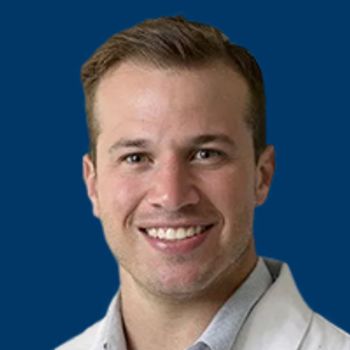
Ryan M. Kahn, MD, MHS, FACOG, discusses the evolution of surgical techniques and practice-changing treatments in the ovarian cancer treatment paradigm.

Supriya Gupta, MD, discussed the utility of axi-cel and liso-cel in real-world settings as second-line treatment in large B-cell lymphoma.

The NAPBC has renewed Fox Chase Cancer Center’s accreditation, making it the sixth consecutive time Fox Chase has been honored with this distinction.

The marketing authorization application submitted to the EMA for T-DXd in HER2-positive unresectable or metastatic solid tumors has been validated.

Ateganosine sequenced with cemiplimab was active in advanced NSCLC after disease progression on 2 or more standard therapies.

Experts preview abstracts being presented at IMS, highlighting the role of MRD, bispecific antibodies, and other strategies to refine myeloma management.

Orelabrutinib has been approved as a treatment option for patients with marginal zone lymphoma in Singapore.
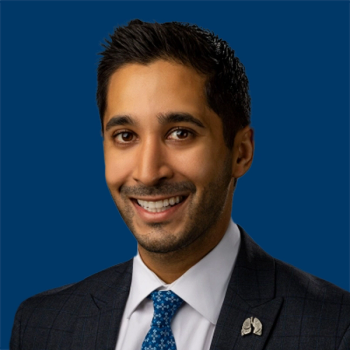
Experts reflect on pivotal data, emerging agents, and highly anticipated trends in lung cancer during the IASLC 2025 World Conference on Lung Cancer.
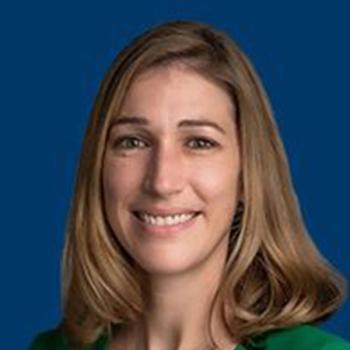
Alicia Morgans, MD, MPH, shares her typical work week, the importance of saying yes to career opportunities, and the value of trusted team communication.

Real-world data showed that lutetium Lu 177 dotatate led to partial responses in patients with metastatic bronchopulmonary neuroendocrine tumors.

The FDA accepted a NDA for relacorilant in platinum-resistant ovarian cancer based on data from ROSELLA and other phase 2 trials.

GLSI-100 received fast track designation from the FDA for patients with HLA-A*02- and HER2-positive breast cancer after SOC therapy.
Findings reveal that cancer genomics similar to other populations, but with some distinctive features.
The FDA approved selumetinib granules and capsules for the treatment of pediatric patients at least 1 year of age with NF1 and plexiform neurofibromas.