

Tisotumab vedotin is cleared in Hong Kong for the treatment of select patients with cervical cancer.
Tisotumab vedotin is cleared in Hong Kong for the treatment of select patients with cervical cancer.

Michelle Monje, MD, PhD, highlights early efficacy data with a GD2-directed CAR T-cell therapy for H3K27M-mutant diffuse midline gliomas.

A shorter and less intense course of postoperative radiation plus chemotherapy was shown to be effective in HPV-positive oropharyngeal cancer.

The MMR IHC Panel pharmDx was certified in the EU as a companion diagnostic to identify patients with colorectal cancer eligible for nivolumab/ipilimumab.

Health Canada approved mirvetuximab soravtansine for folate receptor-alpha positive, platinum-resistant epithelial ovarian cancer.

The first part of a PMA seeking the approval of PredicineCARE as a companion diagnostic in bladder cancer was submitted to the FDA.
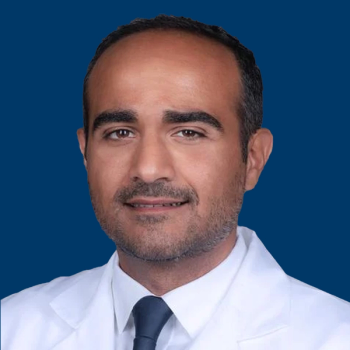
Jad Chahoud, MD, MPH, discusses preliminary efficacy data with zanzalintinib plus nivolumab with/without relatlimab in untreated, advanced clear cell RCC.

The chief oncology/hematology fellow at Weill Cornell Medicine details everything that he wishes he had known entering his first year of fellowship.

Here is your snapshot of all oncologic therapeutic options that were approved by the EMA in August 2025.

The development of ZW171 for gynecologic, thoracic, and GI cancers is being discontinued.

Raji Shameem, MD, discusses the significance of the FDA approval of NALIRIFOX and first-line treatment selection in metastatic pancreatic cancer.
Rilzabrutinib has been approved by the FDA for persistent or chronic immune thrombocytopenia after an insufficient response to prior therapy.

Health services company recognizes joint care offered through collaboration with Roswell Park Oishei Children’s Hospital.

The FDA scheduled a Type A meeting with the developer of RP1 to discuss the CRL that was granted to RP1 plus nivolumab for advanced melanoma.

China’s NMPA approved zongertinib tablets for unresectable, locally advanced or metastatic, previously treated NSCLC with HER2 mutations.
Here is your guide to all therapeutic options that were cleared by the FDA in August 2025 spanning tumor types.

The director of the Hematology and Oncology Fellowship Program at Weill Cornell Medicine details how fellows can identify and maximize research opportunities.

TT125-802 has received FDA fast track designations in EGFR+ and KRAS G12C+ advanced NSCLC.

Dana-Farber researchers have provided the mechanistic and preclinical evidence needed to support a clinical trial of a new class of drugs called direct cyclin inhibitors in patients with a range of cancers.

The European Medicines Agency has granted orphan drug designation to OXC-101 for the treatment of acute myeloid leukemia.
In case you missed any, below is a recap of every OncLive On Air episode that aired in August 2025.

The top 5 OncLive videos of the week cover insights in lung cancer, ovarian cancer, breast cancer, and prostate cancer.
The FDA granted breakthrough device designation to the Haystack MRD ctDNA liquid biopsy for stage II colorectal cancer.

The FDA has cleared a 3-month subcutaneous depot formulation of leuprolide mesylate in prostate cancer, gedatolisib NDA is under review in breast cancer, and more.

Neelam V. Desai, MD, discusses the role of first-line CDK4/6 inhibitors in HR-positive, HER2-negative and HER2-positive metastatic breast cancer.
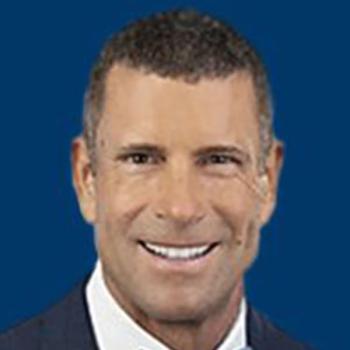
R. Lor Randall, MD, FACS, spreads awareness about the benign, self-correcting nature of non-ossifying fibromas, which are commonly confused with sarcoma.

Andrea Necchi, MD, discusses how initial findings from the SURE-02 study indicate the potential for bladder preservation over cystectomy in MIBC.

Researchers have developed the first genome-wide CRISPR screening tool for primary human natural killer cells.

The EMA granted orphan designation to ADX-2191 for the management of LBCL of immune-privileged sites, including primary vitreoretinal lymphoma.