

Eric K. Singhi, MD, and Shruti Patel, MD, discuss how they extend beyond the walls of their clinic to provide accurate cancer updates on social media.
Eric K. Singhi, MD, and Shruti Patel, MD, discuss how they extend beyond the walls of their clinic to provide accurate cancer updates on social media.
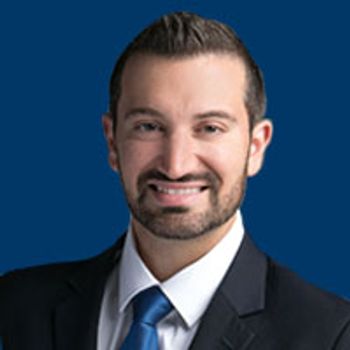
Jonathan Leventhal, MD, discusses the prevalence of breast cancer treatment–associated dermatologic AEs and the need for multidisciplinary management.

David Olmos, MD, PhD, discusses how data on the incidence of HRR alterations in metastatic prostate cancer can inform future research.

Meletios A. Dimopoulos, MD, discusses the efficacy and safety of elranatamab plus daratumumab and lenalidomide in transplant-ineligible multiple myeloma.

A study finds cancer cells break down protective nerve coverings, leading to nerve injury and chronic inflammation.

Rusfertide earned an FDA breakthrough designation for polycythemia vera based on findings from the phase 3 VERIFY study.

Datopotamab deruxtecan is approved in China for hormone receptor–positive, HER2-negative metastatic breast cancer after prior endocrine therapy and chemotherapy.

Versamune HPV plus pembrolizumab improved OS vs historical data with pembrolizumab in HPV16-positive metastatic HNSCC with a CPS of at least 1.

Marina Kremyanskaya, MD, PhD, discusses the investigation of divesiran in polycythemia vera.

To extend the benefits of CTLA-4 inhibitors to poorly immunogenic tumors such as HCC and CRC, investigators are developing Fc-enhanced CTLA-4 inhibitors.

Shahzad Raza, MD, discusses updated outcomes with talquetamab and teclistamab in relapsed/refractory multiple myeloma with extramedullary disease.

The top 5 OncLive videos of the week cover insights in polycythemia vera, multiple myeloma, colorectal cancer, LBCL, and mantle cell lymphoma.

David Olmos, MD, PhD, discusses CAPTURE study findings on the prevalence of HRR mutations in mHSPC, highlighting prognostic impact and outcomes.

Adjuvant atezolizumab boosts survival in bladder cancer, FDA clears companion diagnostic for nivolumab doublet in MSI-H/dMMR colorectal cancer, and more.

Pegtarazimod has received orphan drug designation from the European Medicines Agency for the management of graft-vs-host disease.

Alberto Martini, MD, discusses the safety of intravesical therapies in NMIBC, the efficacy of EG-70, and future trial needs in this population.

Venetoclax plus obinutuzumab generated safe and efficacious real-world outcomes in first-line CLL with comorbidities.
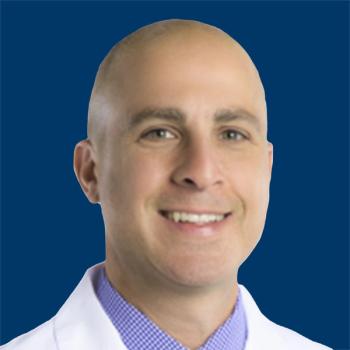
Researchers call for early screening as young patients live longer.

Health Canada has granted marketing authorization to darolutamide for the treatment of adult patients with metastatic castration-sensitive prostate cancer.

Krystal Biotech will prioritize the development of KB707 as an inhaled formulation for non–small cell lung cancer.

Glofitamab plus GemOx received approval in Canada for patients with relapsed or refractory DLBCL not otherwise specified who are not eligible for ASCT.

Joyce O'Shaughnessy, MD, discusses the utility of genomic testing in HR+, HER2– early breast cancer.

The BRF14 study, which examined imatinib in patients with gastrointestinal stromal tumors, has the longest follow-up time in this sarcoma.

Naseema Gangat, MBBS, details updates, novel strategies, and factors that inform decision-making in clinical for patients with hematologic malignancies.
Alberto Martini, MD discusses how systemic treatment approaches and key trials have refined care for patients with BCG-unresponsive NMIBC.
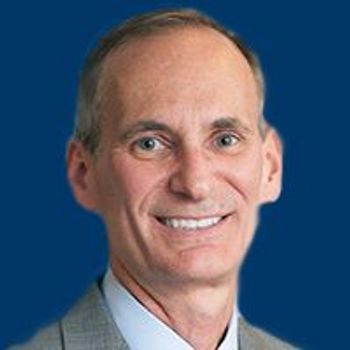
Matthew R. Smith, MD, PhD, discusses how PARP inhibition and radioligand therapies are shaping treatment decisions in advanced prostate cancer.

Three experts discuss the implications of the FDA's removal of REMS requirements for CAR T-cell therapy in hematologic malignancies in the following video.

Alice T. Shaw, MD, PhD, has been named Chair of the Department of Medical Oncology at Dana-Farber Cancer Institute.

The European approval of a zanubrutinb tablet formulation covers indications in CLL, Waldenström macroglobulinemia, MZL, and follicular lymphoma.

Alpha1H met all primary and secondary end points in a phase 2 study in non–muscle-invasive bladder cancer.