

Healthcare professionals in many specialties, particularly oncology, have long wrestled with the complexities and costs of integrating electronic medical records
Healthcare professionals in many specialties, particularly oncology, have long wrestled with the complexities and costs of integrating electronic medical records
Links to resource from across the web for brain cancer; includes news briefs, patient education, research and clinical trials

A dendritic cell vaccine under development may increase median survival time in patients with glioblastoma

Links to resources from across the web for bone mets; includes award winners and clinical trials.
The oncology community is paying fresh attention to the often painful skeletal-related events in patients with bone metastases.

As cancer-fighting therapies become more targeted, clinicians are looking increasingly toward emerging technologies to help confirm the primary site of a patient's disease.

Michael T. Lewis, PhD, runs a research lab at the Baylor College of Medicine focused on understanding the role of hedgehog signaling in mammary gland development and breast cancer
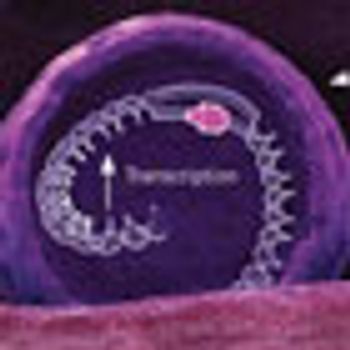
The Hedgehog gene is an intracellular signaling ligand that initiates the Hh pathway, which is important in the regulation of embryo development from flies to humans
Plenty of children are afraid to go to the doctor. Dennis Slamon used to look forward to it.
Researchers have sequenced 38 tumor genomes from patients with multiple myeloma (MM), comparing them with normal DNA.

Should genomic profiles be used routinely to determine which breast cancer patients receive adjuvant chemotherapy?

As immunotherapy options grow, oncologists will need new frameworks of reference for evaluating whether patients are benefiting from the treatments

Nine cancer researchers will be honored along with a US senator at the ASCO annual meeting June 3-7 in Chicago, Illinois.

The technology that enables astronomers to detect eversmaller objects across evergreater distances through ever-heavier interference has found a ready audience among researchers dreaming of adapting it for cancer detection