

Copanlisib (BAY 80-6946), a novel PI3K inhibitor, is being combined with standard rituximab-based regimens in patients with relapsed, indolent non-Hodgkin lymphoma.
Copanlisib (BAY 80-6946), a novel PI3K inhibitor, is being combined with standard rituximab-based regimens in patients with relapsed, indolent non-Hodgkin lymphoma.

Surgical resection, including cytoreductive nephrectomy, remains the standard of care for most patients with renal cell carcinoma, but many patients will have a recurrence, and could benefit from additional therapy.

Although FLT3 mutations are well established as a prognostic marker in patients with AML, efforts to target the aberration therapeutically were underway for more than 15 years before yielding success.
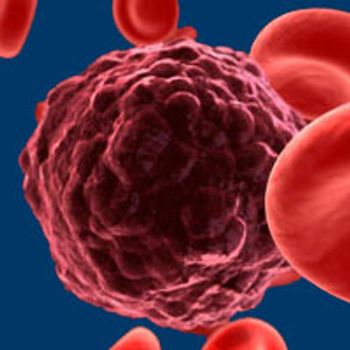
With changing treatment paradigms, particularly the use of oral targeted agents, predictive value and use of prognostic factors to determine treatment choice are shifting in CLL.
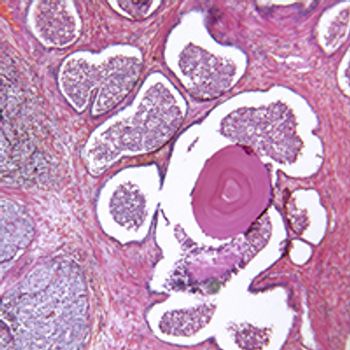
The addition of external beam radiation therapy to ADT reduced the risk of disease progression more than 70% compared with ADT alone among patients with locally advanced prostate cancer.

Radical prostatectomy does not significantly reduce all-cause or prostate cancer mortality compared with observation through nearly 20 years, according to the results from the phase III PIVOT trial.

Although the prognosis for patients with pancreatic cancer is often grim, there have been noteworthy improvements in outcomes through the use of current chemotherapies.

Advances in treatment and supportive care have resulted in substantial improvements in cancer survival and a growing number of cancer survivors in the United States.

Renal medullary carcinoma is a rare but devastating tumor type almost exclusively affecting young adults carrying 1 copy of hemoglobin beta (HBB) harboring the A17T mutation (HbS).

There is an intense and seemingly growing debate within the clinical, research, and regulatory arenas regarding what should be appropriately required to declare that a new or novel strategy be considered an acceptable standard-of-care approach to cancer management within a particular setting.