

ASTRAL-2 and ASTRAL-3, are designed to determine whether guadecitabine (SGI-110), a potent second-generation hypomethylating agent, could answer the unmet medical needs for AML, MDS, and CMML.
ASTRAL-2 and ASTRAL-3, are designed to determine whether guadecitabine (SGI-110), a potent second-generation hypomethylating agent, could answer the unmet medical needs for AML, MDS, and CMML.

Twenty-one changemakers have been selected to receive a 2018 OncLive Giants of Cancer Care® award.

A panel of experts discuss the latest data on several novel agents for ALL and provided insights on how to align these treatments in challenging settings.

Anthony G. Letai, MD, PhD, discusses the complex nature of apoptosis and efforts to target the process.

To ease the administrative burden, CMS has facilitated the collection and processing of information by allowing the formulation of Qualified Clinical Data Registries, which collect data on quality measures from individual providers and group practitioners.
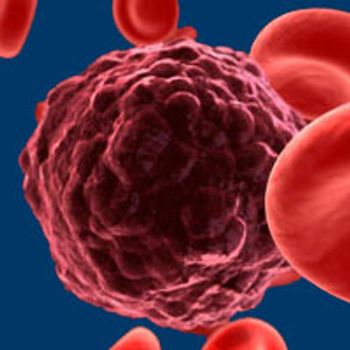
Myeloid cell leukemia 1 has emerged as an intriguing target for anticancer drug development as researchers turn their attention to strategies directed at evasion of apoptosis.

The Cancer Genome Atlas Research Network has completed an integrative molecular analysis of roughly 10,000 tumor specimens and identified cancer subtypes that reflect shared molecular characteristics across traditional anatomic boundaries.

Benchmarking has historically been difficult in oncology because of barriers to the flow of information and the complexities of care. However, such performance comparisons are now becoming a part of payment models, and practices realize they need comparative data to understand how well they perform.

IMCgp100, a novel immune-based treatment, demonstrated a 1-year survival rate of 73% for patients with heavily pretreated, which is nearly double the historical expectations for patients with the disease.

Novel combination regimens anchored by pembrolizumab (Keytruda), atezolizumab (Tecentriq), or nivolumab (Opdivo) are opening the door to new options and an opportunity to personalize therapy in non–small cell lung cancer.

The US Preventive Services Task Force has concluded that there is a small mortality benefit associated with prostate-specific antigen-based prostate cancer screening for men aged 55 to 69 years, a departure from earlier guidance.

Data from recent trials in metastatic hormone-sensitive prostate cancer have demonstrated the heterogeneous nature of prostate cancer and its subtypes, highlighting the importance of a more cautious approach in choosing therapies for patients.

Maurie Markman, MD, sheds light on the debate regarding the future direction of clinical investigation.