

Investigators are hopeful that CMB305, a vaccine that boosts the immune response to tumor cells expressing the antigen NY-ESO-1, can improve survival outcomes for patients with synovial sarcoma.
Investigators are hopeful that CMB305, a vaccine that boosts the immune response to tumor cells expressing the antigen NY-ESO-1, can improve survival outcomes for patients with synovial sarcoma.
The market for biosimilar introduction is “extremely unstable,” but the FDA is working to ease the launch of more affordable cancer medicines with a strategy that includes an attempt to reduce anticompetitive behavior.
Cryoablation may help men whose prostate cancer recurs after radiation therapy avoid or delay retreatment with androgen deprivation therapy.
Diane Reidy-Lagunes, MD, outlines the current state-of-the-art gastrointestinal care.

Alice T. Shaw, MD, PhD, and D. Ross Camidge, MD, PhD, discuss the evolution of ALK-targeting therapies, the impact on the drug development paradigm, and the prospects for future advancements.
Rapid progress in the development of BET inhibitors has created a surge of enthusiasm.
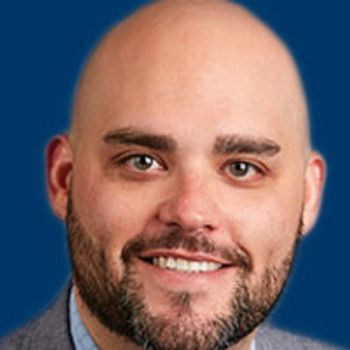
Patients younger than 65 years experienced net cancer costs that were higher for breast, colorectal, lung, and prostate cancer compared with patients who were 65 years and older.
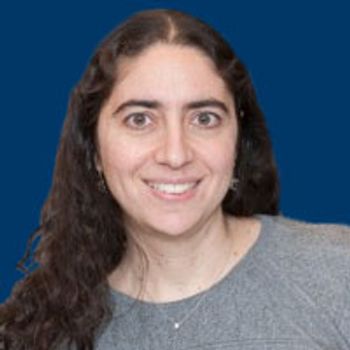
There are pivotal developments in colorectal cancer that have shaped the National Comprehensive Cancer Network guidelines in the past several years.

During an OncLive Peer Exchange® a panel of AML experts discussed these newly approved agents and provided insight on how they are rapidly changing the standard of care for various AML subgroups.

CMS has proposed a different way to handle payment for chimeric antigen receptor T-cell therapy, one that the medical and manufacturing community thinks is unworkable.
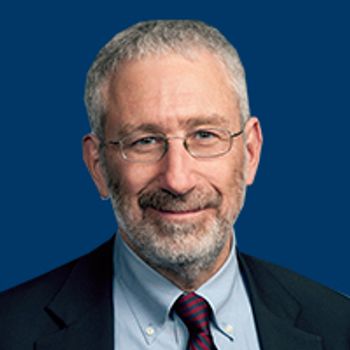
Maurie Markman, MD, discusses the potential to employ germline data and knowledge about the presence of specific common, uncommon, or rare variants to cancer therapy.

Although testing for some genetic defects has been incorporated into the treatment paradigm, the clinical utility of up-front tumor sequencing that would yield wide-ranging information has not yet been established.