

Investigators are assessing whether Oraxol, an oral formulation of paclitaxel, will be safer and more efficacious than the widely used chemotherapy drug administered by traditional intravenous infusion.
Investigators are assessing whether Oraxol, an oral formulation of paclitaxel, will be safer and more efficacious than the widely used chemotherapy drug administered by traditional intravenous infusion.

In the 44 years since John M. Kirkwood, MD began his career, he has seen melanoma become a growing field of research.

Ethnic differences in the prevalence of neurotoxicity from methotrexate therapy may help explain why minority patients, specifically Hispanics, experience disparities in treatment outcomes for pediatric acute lymphoblastic leukemia.

Although soft-tissue sarcoma is seldom diagnosed in adults, the development of several new therapies in recent years for patients with rare subtypes is energizing leaders in the field and underscoring the need for a multidisciplinary approach to care.
Within a year of starting its drug-waste reduction study in 2010, NCCH became the first hospital in the country to implement a program systematically extending medications’ beyond use dates from several hours to upward of 7 days.
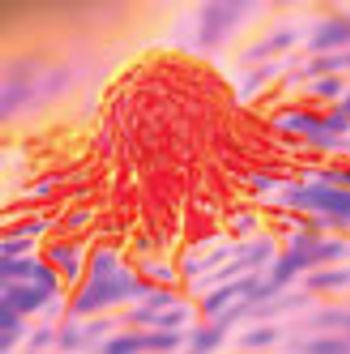
As researchers gain a better understanding of the unique aspects of individual tumor types and their surrounding microenvironment, the design of novel therapies categorized as prodrugs is become increasingly sophisticated, and several novel constructs show particular promise.
Obesity is associated with an increased risk of early-onset colorectal cancer among women and correlates with higher rates of cancer resections in gastrointestinal malignancies across age groups.
After more than 2 decades of change in the epidemiology of oropharyngeal cancers, the choice of optimal treatment for patients with human papillomavirus–positive disease remains elusive.
Based on fresh studies in the setting of metastatic pancreatic cancer, the American Society of Clinical Oncology now recommends routine testing for mismatch repair deficiency or high microsatellite instability for candidates for checkpoint inhibitor therapy.

David M. Jackman, MD, the medical director of Clinical Pathways at Dana-Farber, discusses the benefits of a clinical pathways system.
Maurie Markman, MD, discusses the search for less toxic strategies for the treatment of cancer that may lessen the negative impact on quality of life while maintaining therapeutic efficacy.