
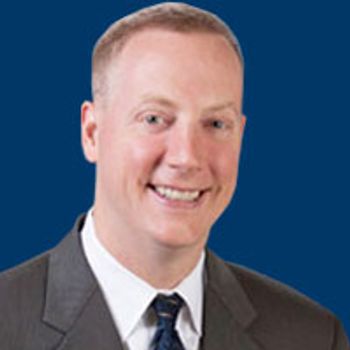
Patrick Conway, MD, says that the demonstration drug pricing plan, which would raise payment for low-cost drugs and lower payment for high-priced drugs, is chiefly about improving outcomes.
Patrick Conway, MD, says that the demonstration drug pricing plan, which would raise payment for low-cost drugs and lower payment for high-priced drugs, is chiefly about improving outcomes.

When it comes to health coverage, most Americans face an unnerving reality—they have no idea what is covered under their health insurance policy until they are affected by illness or disease.

The Community Oncology Alliance has recognized a need within the APP community and responded by creating the COA Advanced Practice Provider Network, with the hope that its tools will enable APPs to review important practice issues and discuss solutions among themselves.
As the cost comes down due to new technologies and as studies mature, maybe the value equation for common malignancies will favor proton beam therapy. However, it is hard to imagine how throwing a house will ever be as cost-efficient as throwing a marble.
Although the MIPS and MACRA rule is preliminary and subject to change, CMS is clearly putting a lot of weight into it, and the act will be a major part of oncology practice.
Andrew L. Pecora, MD, discusses the value changes that CMS is mandating, and how it takes enormous planning and study.

The first proton beam therapy units cost huge amounts of money and were well beyond the means of all but the most well-financed cancer centers. However, this technology is vastly cheaper than before.

Tens of millions of medical profiles have been hacked from payers and oncology practices in just the past few years.

It's clear that Medicare needs a proactive cancer strategy, hence the launch of the Oncology Care Model.
Preauthorizations for chemotherapy drugs and payers’ differing administrative requirements are two of the main contributors to greater hiring needs. Oncologists and practice managers also cite frequent coverage denials, lengthy appeal processes, payerspecific clinical pathways, financial counseling for underinsured patients, data-tracking initiatives, and night and weekend nurse triage services.

Oncology practices should protect themselves from the danger of having their IT systems hacked by having a risk analysis done to identify potential access and compromise points.